THE ADVENTURE COLLECTIVE® · Independent discovery and booking for outdoor travel

Spend a day moving from rainforest boardwalks to wide Indian Ocean beaches and a famous rock‑bound restaurant. This private tour combines wildlife viewing, mangrove ecology, and seaside time with practical tips on tides and reservations.
Spend a day moving from rainforest boardwalks to wide Indian Ocean beaches and a famous rock‑bound restaurant. This private tour combines wildlife viewing, mangrove ecology, and seaside time with practical tips on tides and reservations.
You slide out of an air‑conditioned car and the air changes: humid, salty, threaded with woodsmoke and seaweed. The route from Stone Town drops through low farmland into a pocket of coastal forest where light filters through mahogany and mangrove roots. A guide walks ahead and the red colobus monkeys—flat-faced and curious—announce themselves with quick, rustling movement above the trail.
Verified experiences and guided adventures in the surrounding area.
Operated by Unforgettable Zanzibar · Stone Town, Zanzibar
You slide out of an air‑conditioned car and the air changes: humid, salty, threaded with woodsmoke and seaweed. The route from Stone Town drops through low farmland into a pocket of coastal forest where light filters through mahogany and mangrove roots. A guide walks ahead and the red colobus monkeys—flat-faced and curious—announce themselves with quick, rustling movement above the trail.
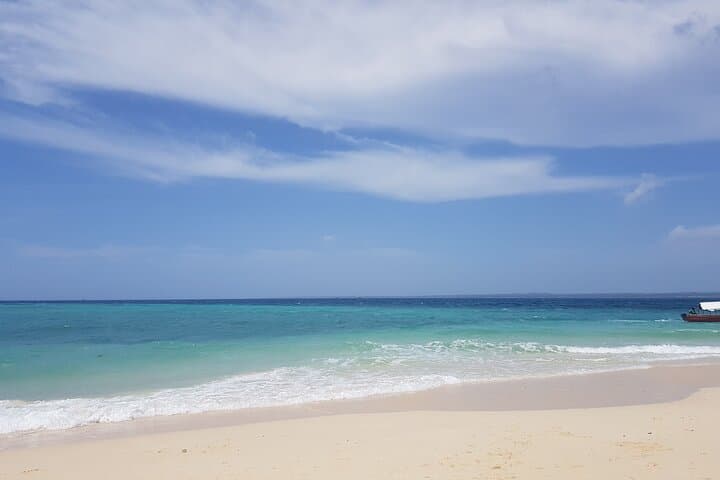
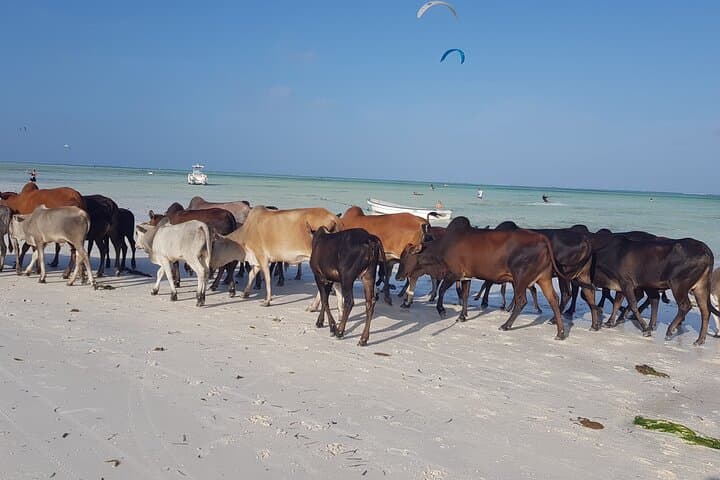
Jozani Chwaka Bay National Park is the island’s last significant patch of native forest; its soils rest on ancient coral limestone and alluvial deposits that shape mangrove flats and tidal creeks. The boardwalk over the swamp brings you level with fiddler crabs and, at low tide, tropical fish darting among roots. Later, the eastern coast opens to Paje: a long, recessed sandbar favored by local kite surfers and small fishing communities who launch dhows at dawn.
The Rock Restaurant perches on an exposed outcrop off Michamvi, reachable by foot at low tide or by small boat at high tide, and is a local landmark as much for its setting as its seafood.
Practical guide: expect about 1–2 km of easy, flat walking through Jozani (boardwalk ~400–600 m) and unstructured beach time of 1–3 km along Paje. Wear sturdy sandals or light hiking shoes, bring sun protection, insect repellent, and a small waterproof bag for cameras. Carry cash for park fees, local stalls, and optional lunch at The Rock—book the restaurant in advance if you want a midday table. Plan the visit around tide times and the island’s rainy season (March–May, short rains in Nov–Dec) to get the best boardwalk and beach access.
easy.
6–8 hours.
Suitable for travelers in basic fitness: expect mostly flat walking (1–2 km) and short periods standing; no steep climbs.
Yes, there is a park entry fee collected at Jozani to support conservation; the tour often handles logistics but bring cash in local currency if required.
Walk‑in visits are possible but tables fill quickly at popular lunch times—booking ahead, especially for 14:00, is recommended to guarantee seating.
Sightings are common but not guaranteed; a guided walk improves chances because guides know recent troop locations and behavior.
The tour notes stroller access in some areas, but uneven boardwalks and beach sand can be challenging—bring a carrier for younger children if possible.
Unguja (Zanzibar) has long been a crossroads of African, Arab and Indian Ocean trade; Jozani’s forests and nearby villages reflect centuries of swahili culture and coastal subsistence fishing.
Jozani is protected to preserve endemic species and mangrove habitat; visitors are asked to stay on designated trails, avoid feeding wildlife, and use reef‑safe products to limit impacts.
Unforgettable Zanzibar operates guided outdoor trips and adventures with an emphasis on safety, stewardship, and memorable experiences.
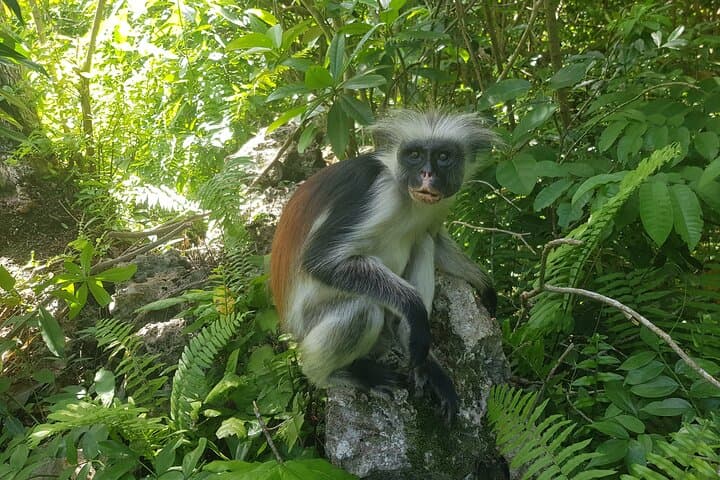

You slide out of an air‑conditioned car and the air changes: humid, salty, threaded with woodsmoke and seaweed. The route from Stone Town drops through low farmland into a pocket of coastal forest where light filters through mahogany and mangrove roots. A guide walks ahead and the red colobus monkeys—flat-faced and curious—announce themselves with quick, rustling movement above the trail.
You slide out of an air‑conditioned car and the air changes: humid, salty, threaded with woodsmoke and seaweed. The route from Stone Town drops through low farmland into a pocket of coastal forest where light filters through mahogany and mangrove roots. A guide walks ahead and the red colobus monkeys—flat-faced and curious—announce themselves with quick, rustling movement above the trail.
Jozani Chwaka Bay National Park is the island’s last significant patch of native forest; its soils rest on ancient coral limestone and alluvial deposits that shape mangrove flats and tidal creeks. The boardwalk over the swamp brings you level with fiddler crabs and, at low tide, tropical fish darting among roots. Later, the eastern coast opens to Paje: a long, recessed sandbar favored by local kite surfers and small fishing communities who launch dhows at dawn.
The Rock Restaurant perches on an exposed outcrop off Michamvi, reachable by foot at low tide or by small boat at high tide, and is a local landmark as much for its setting as its seafood.
Practical guide: expect about 1–2 km of easy, flat walking through Jozani (boardwalk ~400–600 m) and unstructured beach time of 1–3 km along Paje. Wear sturdy sandals or light hiking shoes, bring sun protection, insect repellent, and a small waterproof bag for cameras. Carry cash for park fees, local stalls, and optional lunch at The Rock—book the restaurant in advance if you want a midday table. Plan the visit around tide times and the island’s rainy season (March–May, short rains in Nov–Dec) to get the best boardwalk and beach access.