THE ADVENTURE COLLECTIVE® · Independent discovery and booking for outdoor travel

A single-day, small-group tour from Haifa Port that visits the Mount of Olives, Old City landmarks in Jerusalem and the Church of the Nativity in Bethlehem. Perfect for cruise passengers who want a guided, paced introduction to these historic sites.
A single-day, small-group tour from Haifa Port that visits the Mount of Olives, Old City landmarks in Jerusalem and the Church of the Nativity in Bethlehem. Perfect for cruise passengers who want a guided, paced introduction to these historic sites.
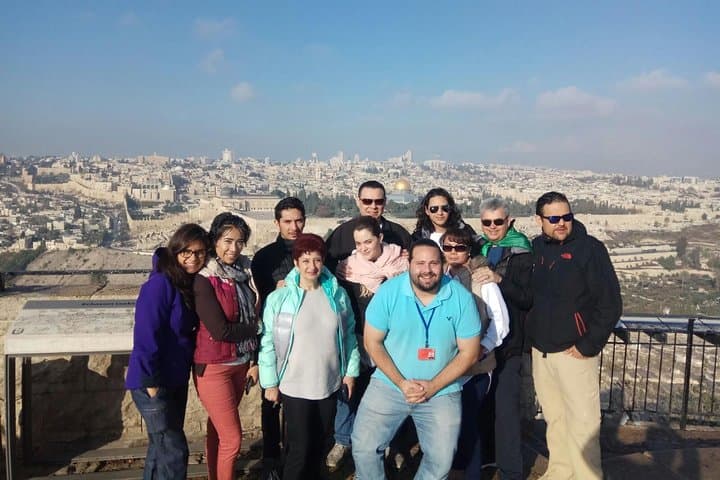
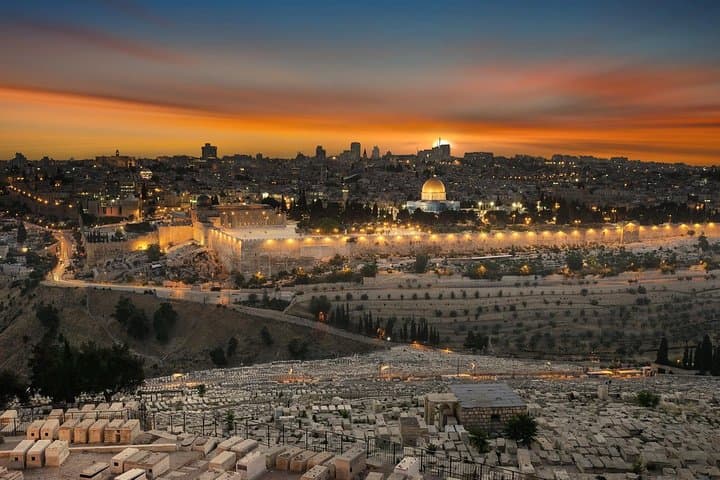
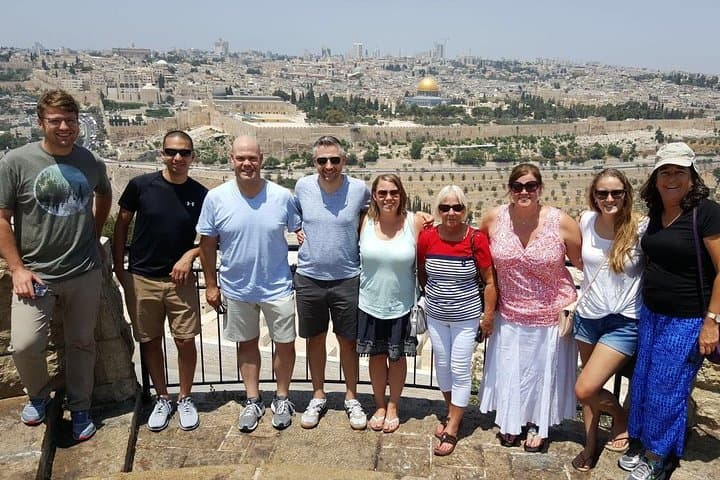
Fog lifts off the eastern hills as your coach eases away from Haifa Port and the city’s harbor buildings slip into the rearview. Within an hour you approach the Mount of Olives: a panoramic sweep of domes, stone terraces and the pale limestone face of the Old City that seems to glow as the sun climbs. Walking here feels like stepping into layered time—Roman paving underfoot, Byzantine chapels above, and the same olive trees that shaped millennia of story.
Verified experiences and guided adventures in the surrounding area.
Operated by Compass Travel Israel · Jerusalem, Jerusalem District
Fog lifts off the eastern hills as your coach eases away from Haifa Port and the city’s harbor buildings slip into the rearview. Within an hour you approach the Mount of Olives: a panoramic sweep of domes, stone terraces and the pale limestone face of the Old City that seems to glow as the sun climbs. Walking here feels like stepping into layered time—Roman paving underfoot, Byzantine chapels above, and the same olive trees that shaped millennia of story.
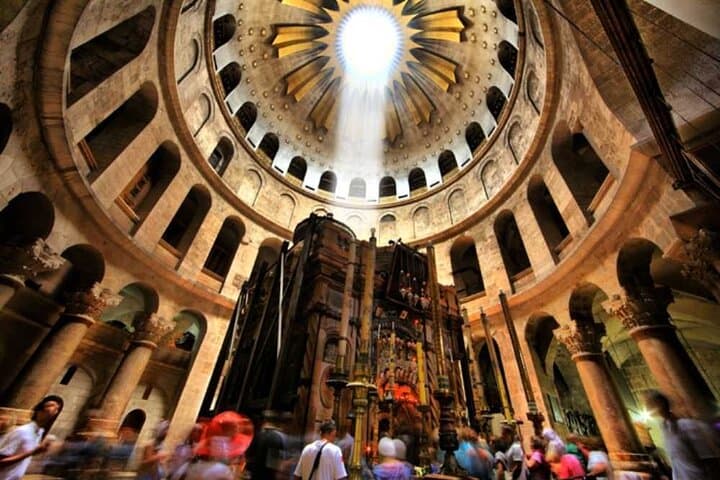
Jerusalem and Bethlehem share a compact geology of limestone ridges and wadis cut by ancient watercourses; that white stone carved both tombs and terraces, and helps explain why so many sacred sites cluster on these slopes. This tour threads key spiritual sites: Gethsemane’s groves, the Room of the Last Supper on Mount Zion, the Roman Cardo, the Via Dolorosa and the Church of the Holy Sepulchre, then across to Bethlehem’s Church of the Nativity and Manger’s Square.
Expect guided walking with periods of standing, narrow alleys, and intermittent queues at major shrines; modest dress is enforced at many sites, and the guide times the itinerary around port schedules. Bring sturdy shoes for uneven cobbles, a refillable water bottle, sun protection, and patience for security checks—these practical choices keep the day moving and let the history do the heavy lifting.
The route gives a compact, visceral survey of sacred history and urban life: churches, prayer walls, quiet courtyards and market noise. For visitors arriving by ship, this is an efficient, interpretive pass through two of the most visited places on Earth.
moderate.
8–10 hours.
Suitable for travelers comfortable with several hours of walking and standing on uneven surfaces; no long-distance hiking required.
Yes—knees and shoulders must be covered for men and women at many sites; bring a shawl or long-sleeve layer to comply.
Pickup and return are coordinated with your Haifa Port arrival and departure; you must provide ship name and times when booking.
Major site entrances are typically included in guided commentary, but specific paid entries vary—confirm on booking for any optional admissions.
The tour involves walking on uneven cobbles and stairs; while some stops can be brief, full accessibility is limited—contact the operator to discuss needs.
Jerusalem and Bethlehem sit on limestone ridges shaped by millennia of settlement; the Church of the Nativity and Holy Sepulchre are among the oldest continuously venerated Christian sites.
Visitor flow is managed around fragile sites and ongoing restorations; follow local guidance to protect mosaics, ancient stonework and olive groves.
Compass Travel Israel operates guided outdoor trips and adventures with an emphasis on safety, stewardship, and memorable experiences.
Fog lifts off the eastern hills as your coach eases away from Haifa Port and the city’s harbor buildings slip into the rearview. Within an hour you approach the Mount of Olives: a panoramic sweep of domes, stone terraces and the pale limestone face of the Old City that seems to glow as the sun climbs. Walking here feels like stepping into layered time—Roman paving underfoot, Byzantine chapels above, and the same olive trees that shaped millennia of story.
Fog lifts off the eastern hills as your coach eases away from Haifa Port and the city’s harbor buildings slip into the rearview. Within an hour you approach the Mount of Olives: a panoramic sweep of domes, stone terraces and the pale limestone face of the Old City that seems to glow as the sun climbs. Walking here feels like stepping into layered time—Roman paving underfoot, Byzantine chapels above, and the same olive trees that shaped millennia of story.
Jerusalem and Bethlehem share a compact geology of limestone ridges and wadis cut by ancient watercourses; that white stone carved both tombs and terraces, and helps explain why so many sacred sites cluster on these slopes. This tour threads key spiritual sites: Gethsemane’s groves, the Room of the Last Supper on Mount Zion, the Roman Cardo, the Via Dolorosa and the Church of the Holy Sepulchre, then across to Bethlehem’s Church of the Nativity and Manger’s Square.
Expect guided walking with periods of standing, narrow alleys, and intermittent queues at major shrines; modest dress is enforced at many sites, and the guide times the itinerary around port schedules. Bring sturdy shoes for uneven cobbles, a refillable water bottle, sun protection, and patience for security checks—these practical choices keep the day moving and let the history do the heavy lifting.
The route gives a compact, visceral survey of sacred history and urban life: churches, prayer walls, quiet courtyards and market noise. For visitors arriving by ship, this is an efficient, interpretive pass through two of the most visited places on Earth.