THE ADVENTURE COLLECTIVE® · Independent discovery and booking for outdoor travel

Traverse high plateaus and canyon rims on a full-day guided trek from Nizwa or Anantara Jebel Akhdar. Expect rugged limestone ridgelines, village terraces and a homemade mountain lunch as you explore Oman’s Hajjar Mountains.
Traverse high plateaus and canyon rims on a full-day guided trek from Nizwa or Anantara Jebel Akhdar. Expect rugged limestone ridgelines, village terraces and a homemade mountain lunch as you explore Oman’s Hajjar Mountains.
You step off the 4x4 onto a high, stony terrace and the wind changes—it carries oregano and dust, then opens on a ledge that looks out across a deep canyon. The Hajjar Mountains here demand attention: sheer terraces, carved wadis and villages clinging to slopes that once fed falaj irrigation channels.
Verified experiences and guided adventures in the surrounding area.
Operated by Secret Arabia · Nizwa, Ad Dakhiliyah Governorate
You step off the 4x4 onto a high, stony terrace and the wind changes—it carries oregano and dust, then opens on a ledge that looks out across a deep canyon. The Hajjar Mountains here demand attention: sheer terraces, carved wadis and villages clinging to slopes that once fed falaj irrigation channels.
These ridgelines are geologically young compared with the Arabian Shield; uplifted limestone and fractured sandstone form the cliffs and the deep canyons of Jebel Shams while Jebel Akhdar’s higher plateaus hold pockets of soil where fruit trees and terraces persist. Human history is visible in walled towns around Nizwa and in small ruins and terraces you pass; the mountain culture still raises goats, tends pomegranate and walnut trees, and maintains stone irrigation.
On a guided day trek from Alilah, Anantara or Nizwa you’ll move between steep scrambles and gentler walking tracks, stopping at viewpoints, abandoned villages and an oasis for a homemade lunch. The guide handles route-finding and the vehicle supports short transfers or rests.
Practical edge: expect 6–8 hours on feet with variable footing—loose scree, paved village tracks and narrow ridgelines. Start early for cooler air and best light; carry 2–3 liters of water, sun protection and layers for wind. Footwear with confident grip and ankle support matters. Respect private terraces and ask before photographing homes; pack out waste and stick to established trails to protect fragile soils. With preparation, this day trek rewards you with dramatic vistas, dry-stone agriculture, and a clear feel for Oman’s mountain life.
challenging.
6–8 hours.
Suitable for hikers with good cardiovascular fitness and experience with sustained uphill and uneven terrain; regular hill-walking recommended.
You should have good fitness for 6–8 hours of mixed terrain hiking; the guide provides support and vehicle transfers if needed, but long uphill sections and uneven footing are common.
Yes—an off-road vehicle accompanies the group for logistics, rest stops or to shorten sections on request, but much of the day is on foot.
A homemade lunch is included; bring 2–3 liters of water, snacks for energy, and any personal dietary items you need.
Not recommended for small children or those with mobility limitations due to steep, uneven terrain and sections requiring sturdy footing.
The Hajjar Mountains have long been home to irrigated terrace agriculture and fortified villages; Nizwa nearby was historically a regional trading and religious center.
Trails pass fragile soils and cultivated terraces—stay on established tracks, pack out waste, and avoid disturbing irrigation systems to limit erosion and cultural impact.
Secret Arabia operates guided outdoor trips and adventures with an emphasis on safety, stewardship, and memorable experiences.
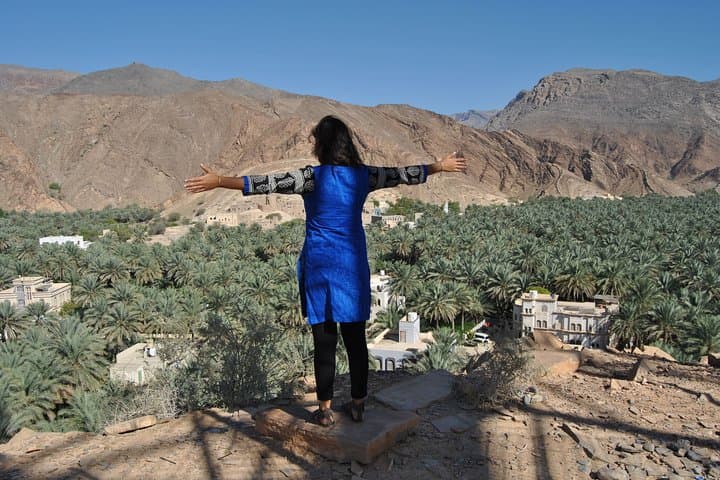
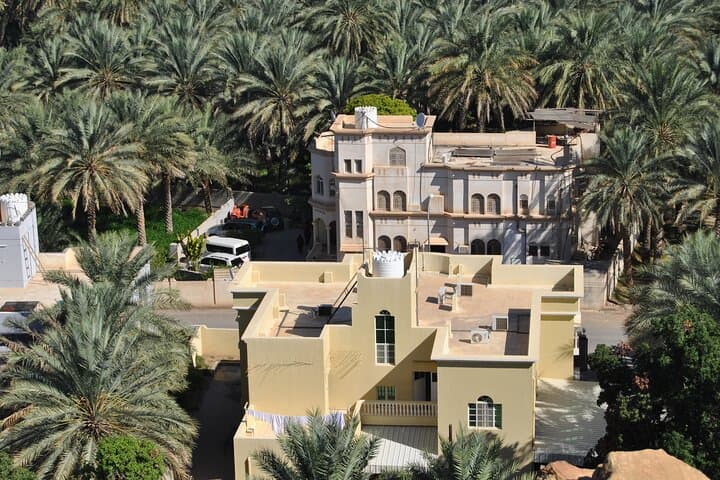
You step off the 4x4 onto a high, stony terrace and the wind changes—it carries oregano and dust, then opens on a ledge that looks out across a deep canyon. The Hajjar Mountains here demand attention: sheer terraces, carved wadis and villages clinging to slopes that once fed falaj irrigation channels.
You step off the 4x4 onto a high, stony terrace and the wind changes—it carries oregano and dust, then opens on a ledge that looks out across a deep canyon. The Hajjar Mountains here demand attention: sheer terraces, carved wadis and villages clinging to slopes that once fed falaj irrigation channels.
These ridgelines are geologically young compared with the Arabian Shield; uplifted limestone and fractured sandstone form the cliffs and the deep canyons of Jebel Shams while Jebel Akhdar’s higher plateaus hold pockets of soil where fruit trees and terraces persist. Human history is visible in walled towns around Nizwa and in small ruins and terraces you pass; the mountain culture still raises goats, tends pomegranate and walnut trees, and maintains stone irrigation.
On a guided day trek from Alilah, Anantara or Nizwa you’ll move between steep scrambles and gentler walking tracks, stopping at viewpoints, abandoned villages and an oasis for a homemade lunch. The guide handles route-finding and the vehicle supports short transfers or rests.
Practical edge: expect 6–8 hours on feet with variable footing—loose scree, paved village tracks and narrow ridgelines. Start early for cooler air and best light; carry 2–3 liters of water, sun protection and layers for wind. Footwear with confident grip and ankle support matters. Respect private terraces and ask before photographing homes; pack out waste and stick to established trails to protect fragile soils. With preparation, this day trek rewards you with dramatic vistas, dry-stone agriculture, and a clear feel for Oman’s mountain life.