THE ADVENTURE COLLECTIVE® · Independent discovery and booking for outdoor travel

A full day that stitches Bali’s highland water temple, sweeping Subak terraces, and coastal sunset shrine into one exploration. Expect mountain drives, cool air, and a close look at rice-culture and temple ritual.
A full day that stitches Bali’s highland water temple, sweeping Subak terraces, and coastal sunset shrine into one exploration. Expect mountain drives, cool air, and a close look at rice-culture and temple ritual.
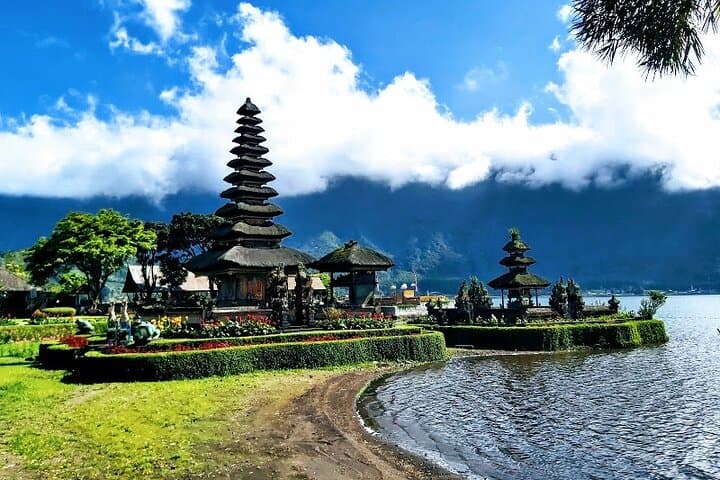
Fog lifts off Lake Bratan and the temple’s tiered roofs appear like a quiet choreography over water. You arrive by a winding mountain road, the air cooling as the coast falls away; palms and pine scent the breeze and small fishing boats cut reflections across the lake.
Verified experiences and guided adventures in the surrounding area.
Operated by Sewa Mobil Bali · Bedugul, Bali
Fog lifts off Lake Bratan and the temple’s tiered roofs appear like a quiet choreography over water. You arrive by a winding mountain road, the air cooling as the coast falls away; palms and pine scent the breeze and small fishing boats cut reflections across the lake.
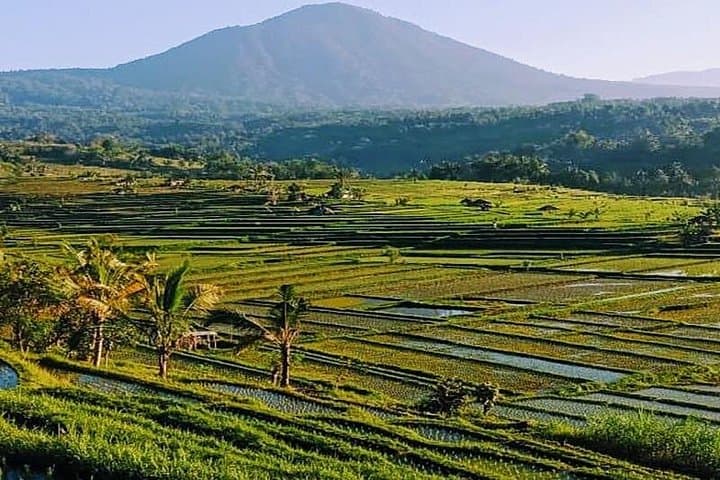
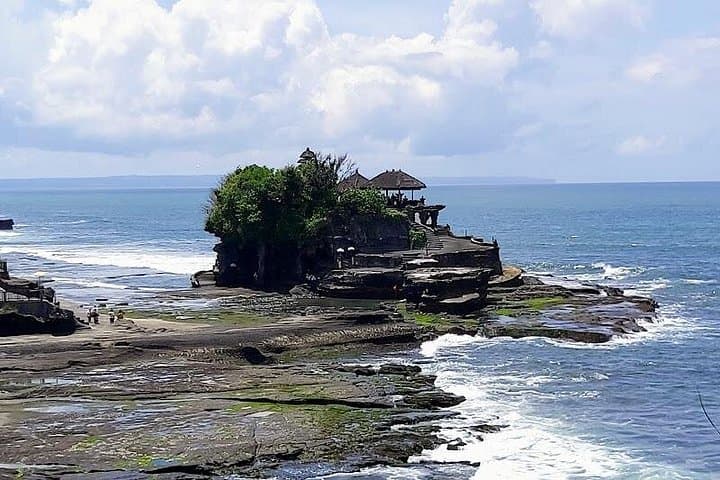
This loop pairs three very different notes of Bali: Ulun Danu Beratan, a 17th-century water temple that honors Dewi Danu and sits at the edge of a crater lake; Jatiluwih’s broad Subak rice terraces—part of Bali’s UNESCO cultural landscape—where centuries-old irrigation patterns carve contours into volcanic soils; and Tanah Lot, a coastal shrine pinned to offshore rock and threaded through local myth and sunset rituals. Geology shapes every view: crater rims hold the highland lakes, while eroded ash and fertile slopes feed the paddies below.
Culture is active here—offerings, temple architecture (multi-tiered merus), and the slow, communal work of rice cultivation. Markets near Bedugul sell spices and hand-carved souvenirs; drivers and local guides can explain ritual timings and basic temple etiquette.
Practical edge: plan for a long, full day (expect a 10–12 hour excursion with several drives up to 1.5–3 hours between stops), dress modestly for temple visits (shoulders and knees covered; sarongs often available to borrow), and bring layered clothing—highland temperatures can be 10–15°C cooler than the coast. Carry cash for small entrance fees, snacks, and parking; wear grippy shoes for wet temple stones and terrace paths. Early starts improve light for photos and reduce crowding at Tanah Lot at sunset.
easy.
10–12 hours.
Low-impact; mostly vehicle travel with short walks over uneven ground—basic mobility required
Expect drives of 45 minutes to 3 hours depending on where your hotel is—Ulun Danu Beratan and Jatiluwih sit in the central highlands while Tanah Lot is on the west coast.
Not always—many tours cover transport but entrance fees, parking and local donations are often paid on arrival; bring cash.
Yes—walking is light, but there are steps and uneven paths; travelers with serious mobility or spine issues should avoid strains.
No—temple protocol requires covered shoulders and knees; sarongs and sashes are usually available to borrow or rent at entrances.
Ulun Danu Beratan dates to the 17th century and serves rituals tied to water and agriculture; the Subak irrigation system around Jatiluwih reflects a cooperative agrarian tradition classified by UNESCO.
The Subak terraces are managed through community water-sharing rules; visitors should stay on marked paths to prevent erosion and respect local agricultural cycles.
Sewa Mobil Bali operates guided outdoor trips and adventures with an emphasis on safety, stewardship, and memorable experiences.
Fog lifts off Lake Bratan and the temple’s tiered roofs appear like a quiet choreography over water. You arrive by a winding mountain road, the air cooling as the coast falls away; palms and pine scent the breeze and small fishing boats cut reflections across the lake.
Fog lifts off Lake Bratan and the temple’s tiered roofs appear like a quiet choreography over water. You arrive by a winding mountain road, the air cooling as the coast falls away; palms and pine scent the breeze and small fishing boats cut reflections across the lake.
This loop pairs three very different notes of Bali: Ulun Danu Beratan, a 17th-century water temple that honors Dewi Danu and sits at the edge of a crater lake; Jatiluwih’s broad Subak rice terraces—part of Bali’s UNESCO cultural landscape—where centuries-old irrigation patterns carve contours into volcanic soils; and Tanah Lot, a coastal shrine pinned to offshore rock and threaded through local myth and sunset rituals. Geology shapes every view: crater rims hold the highland lakes, while eroded ash and fertile slopes feed the paddies below.
Culture is active here—offerings, temple architecture (multi-tiered merus), and the slow, communal work of rice cultivation. Markets near Bedugul sell spices and hand-carved souvenirs; drivers and local guides can explain ritual timings and basic temple etiquette.
Practical edge: plan for a long, full day (expect a 10–12 hour excursion with several drives up to 1.5–3 hours between stops), dress modestly for temple visits (shoulders and knees covered; sarongs often available to borrow), and bring layered clothing—highland temperatures can be 10–15°C cooler than the coast. Carry cash for small entrance fees, snacks, and parking; wear grippy shoes for wet temple stones and terrace paths. Early starts improve light for photos and reduce crowding at Tanah Lot at sunset.