THE ADVENTURE COLLECTIVE® · Independent discovery and booking for outdoor travel

Spend a full day moving through Jaipur’s forts, palaces and markets, then end with a hands-on cooking demo and home-cooked dinner. This guided experience pairs architectural highlights with intimate cultural exchange in a local house.
Spend a full day moving through Jaipur’s forts, palaces and markets, then end with a hands-on cooking demo and home-cooked dinner. This guided experience pairs architectural highlights with intimate cultural exchange in a local house.
The day opens with a breeze off the Aravalli foothills as a local guide leads the group through the honeycomb streets of Jaipur. Early light falls on pink sandstone façades; the city’s palaces and observatories sit like chapters in a living history book, each gateway offering a new angle on royal life.
Verified experiences and guided adventures in the surrounding area.
Operated by Rajasthan Travel Helpline · Jaipur, Rajasthan
The day opens with a breeze off the Aravalli foothills as a local guide leads the group through the honeycomb streets of Jaipur. Early light falls on pink sandstone façades; the city’s palaces and observatories sit like chapters in a living history book, each gateway offering a new angle on royal life.
Jaipur was planned in the 18th century by Maharaja Sawai Jai Singh II and laid out on a grid—its streets, markets and fortifications reflect a deliberate civic vision. The itinerary moves from the Hilltop Amber Palace, where Mughal and Rajput craftsmanship mingle, to the floating silhouette of Jal Mahal on Man Sagar Lake, past the scientific instruments of Jantar Mantar and the ornate courtyards of City Palace.
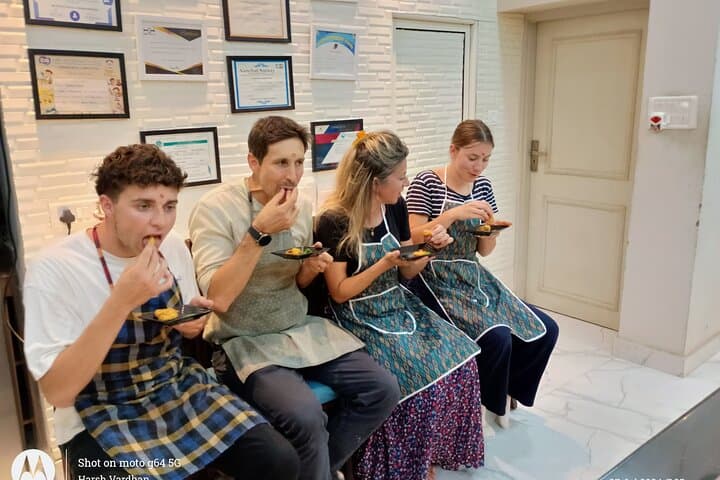
Cultural beats punctuate the route: bazaars where block-printed textiles and brassware are still traded, a brief stop at Birla Mandir for panoramic city views, and museum rooms that catalogue court life. The evening shifts tone—guests enter a private home for a live cooking demo and a traditional vegetarian dinner, an intimate exchange that demystifies Rajasthani spice blends and table rituals.
Practical guidance: expect multiple short walks on uneven pavement and stairs at forts; carry water, wear sun protection, and opt for modest clothing that covers shoulders and knees in temples. The day is paced for comfort, with vehicle transfers between distant sites and a relaxed lunch in the old city. Travelers should budget a full day for the experience and bring a small daypack, camera, and curiosity—the tour pairs sightseeing with hands-on culinary insight for a grounded portrait of Jaipur.
easy.
8–12 hours.
Suitable for travelers who can manage several short walks, stairs, and a full day of touring; not strenuous.
Entrance fees are generally not included; the itinerary shows attractions but guests should expect to pay admissions either in cash or via the tour operator.
Yes—air-conditioned vehicle transfers are included to cover longer distances like Amber Fort and City Palace.
The hosted dinner is vegetarian and the host can often accommodate food allergies or preferences if notified in advance—use the booking’s special requirements field.
Some parts of the tour are wheelchair accessible (flat city areas and vehicle transport), but forts and older sites have stairs and limited access—check specifics with the operator before booking.
Jaipur was founded in 1727 by Maharaja Sawai Jai Singh II and planned on a grid; its architecture fuses Rajput and Mughal influences evident in forts and palaces.
Historic sites face wear from heavy visitation—travelers should follow marked paths, avoid touching fragile carvings, and support local guides and small vendors to help sustain the community.
Rajasthan Travel Helpline operates guided outdoor trips and adventures with an emphasis on safety, stewardship, and memorable experiences.


The day opens with a breeze off the Aravalli foothills as a local guide leads the group through the honeycomb streets of Jaipur. Early light falls on pink sandstone façades; the city’s palaces and observatories sit like chapters in a living history book, each gateway offering a new angle on royal life.
The day opens with a breeze off the Aravalli foothills as a local guide leads the group through the honeycomb streets of Jaipur. Early light falls on pink sandstone façades; the city’s palaces and observatories sit like chapters in a living history book, each gateway offering a new angle on royal life.
Jaipur was planned in the 18th century by Maharaja Sawai Jai Singh II and laid out on a grid—its streets, markets and fortifications reflect a deliberate civic vision. The itinerary moves from the Hilltop Amber Palace, where Mughal and Rajput craftsmanship mingle, to the floating silhouette of Jal Mahal on Man Sagar Lake, past the scientific instruments of Jantar Mantar and the ornate courtyards of City Palace.
Cultural beats punctuate the route: bazaars where block-printed textiles and brassware are still traded, a brief stop at Birla Mandir for panoramic city views, and museum rooms that catalogue court life. The evening shifts tone—guests enter a private home for a live cooking demo and a traditional vegetarian dinner, an intimate exchange that demystifies Rajasthani spice blends and table rituals.
Practical guidance: expect multiple short walks on uneven pavement and stairs at forts; carry water, wear sun protection, and opt for modest clothing that covers shoulders and knees in temples. The day is paced for comfort, with vehicle transfers between distant sites and a relaxed lunch in the old city. Travelers should budget a full day for the experience and bring a small daypack, camera, and curiosity—the tour pairs sightseeing with hands-on culinary insight for a grounded portrait of Jaipur.