THE ADVENTURE COLLECTIVE® · Independent discovery and booking for outdoor travel

A full-day boat trip from Panama City to the Las Perlas Archipelago visits Chapera, Pacheca and Mogo-Mogo islands for snorkeling, paddleboarding and a beach lunch. Expect calm coves, clear water and returned-to-nature beaches about an hour from the city.
A full-day boat trip from Panama City to the Las Perlas Archipelago visits Chapera, Pacheca and Mogo-Mogo islands for snorkeling, paddleboarding and a beach lunch. Expect calm coves, clear water and returned-to-nature beaches about an hour from the city.
You step onto the deck at Flamenco Marina while the city still yawns; the Pacific lifts a cool breath against the hull and the skyline of Panama City shrinks to a row of glass. Within an hour the city’s hum is replaced by ocean—blue that dares you to dive—and the scatter of Las Perlas rises from the horizon: Chapera, Pacheca, Mogo-Mogo.
Verified experiences and guided adventures in the surrounding area.
Operated by Leo Le Bris · Panama City, Panama Province
You step onto the deck at Flamenco Marina while the city still yawns; the Pacific lifts a cool breath against the hull and the skyline of Panama City shrinks to a row of glass. Within an hour the city’s hum is replaced by ocean—blue that dares you to dive—and the scatter of Las Perlas rises from the horizon: Chapera, Pacheca, Mogo-Mogo.
The Pearl Islands have long been a waypoint for indigenous groups and colonial mariners because of their sheltered coves and abundant marine life. Geologically they’re low, coral-and-sediment isles carved by currents and tides, their white sand the result of ground coral and shells. Local culture still orients around fishing and small-scale tourism; lunches served on the beach often feature coconut rice and grilled chicken alongside tropical fruit.
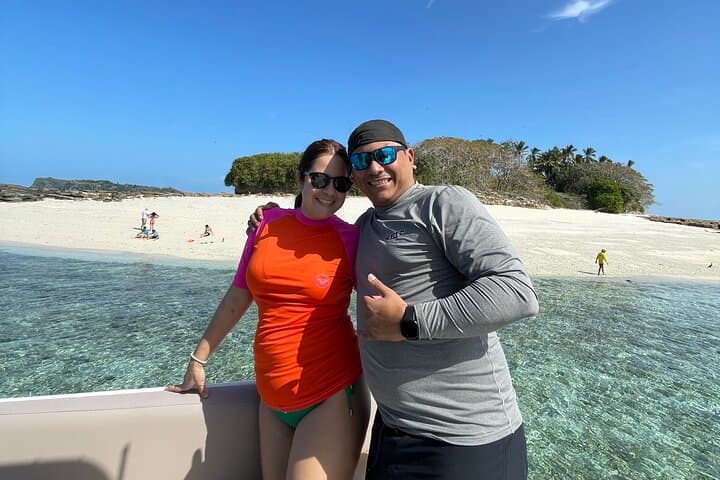
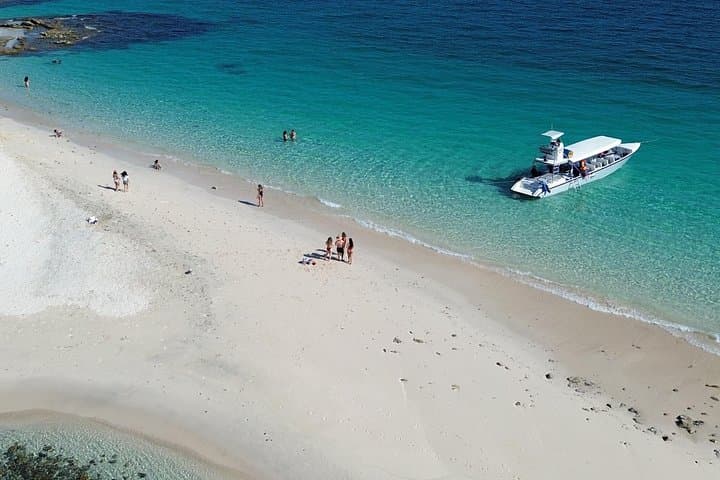
Expect three island stops with about two hours on each—swim, snorkel, or stand-up paddle in transparent shallows where rays and parrotfish push through seagrass. Chapera’s broad beach is the post-snorkel lounge; Mogo-Mogo offers quiet coves for a slow paddle; Pacheca is a private-feeling stretch of sand to read or hike a short ridge.
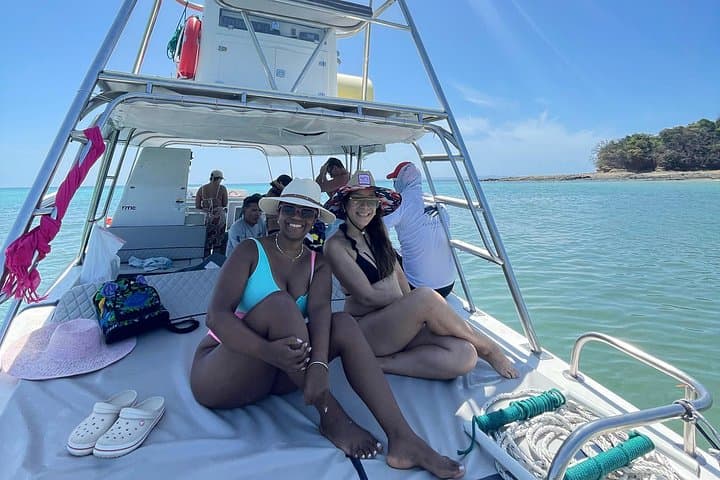
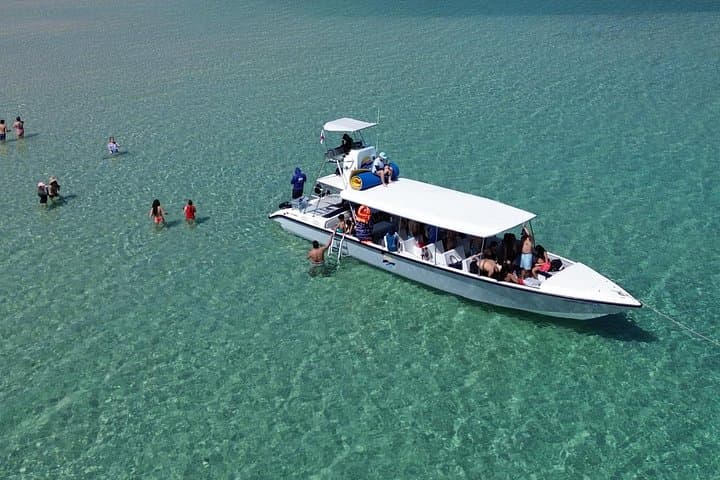
Practical guidance: arrive at least 30 minutes early, bring reef-safe sunscreen, a hat, and water-resistant footwear for rocky landings. The boat provides lunch, bottled water, basic snorkel and paddleboard gear, and restrooms onboard. Weather and tides determine exact stops—sea state can make transfers choppier—so motion-sickness precautions and a waterproof bag are smart choices. This is an accessible day at sea that rewards curiosity: let the current pull you toward the reef and the islands do the rest.
easy.
8 hours.
Suitable for average fitness; must be able to climb ladder/step into shallow water and walk short, sometimes uneven beach terrain.
Roughly one hour each way depending on sea conditions and which islands are visited.
Yes—basic snorkel equipment and paddleboards are provided, though some travelers prefer to bring their own mask.
Yes; the trip includes round-trip boat transport from Flamenco Marina, a beach-style lunch, and bottled water.
Yes—many beaches have shallow entry; life jackets are available, but infants must sit on an adult’s lap and operators may restrict participation for health reasons.
The islands were a resource area for pre-Columbian peoples and later a stop for colonial-era pearl divers; remnants of that history appear in small fishing hamlets and local place names.
The archipelago’s reefs are sensitive—use reef-safe sunscreen, avoid standing on coral, and follow local guidance to minimize anchor and trampling damage.
Leo Le Bris operates guided outdoor trips and adventures with an emphasis on safety, stewardship, and memorable experiences.
You step onto the deck at Flamenco Marina while the city still yawns; the Pacific lifts a cool breath against the hull and the skyline of Panama City shrinks to a row of glass. Within an hour the city’s hum is replaced by ocean—blue that dares you to dive—and the scatter of Las Perlas rises from the horizon: Chapera, Pacheca, Mogo-Mogo.
You step onto the deck at Flamenco Marina while the city still yawns; the Pacific lifts a cool breath against the hull and the skyline of Panama City shrinks to a row of glass. Within an hour the city’s hum is replaced by ocean—blue that dares you to dive—and the scatter of Las Perlas rises from the horizon: Chapera, Pacheca, Mogo-Mogo.
The Pearl Islands have long been a waypoint for indigenous groups and colonial mariners because of their sheltered coves and abundant marine life. Geologically they’re low, coral-and-sediment isles carved by currents and tides, their white sand the result of ground coral and shells. Local culture still orients around fishing and small-scale tourism; lunches served on the beach often feature coconut rice and grilled chicken alongside tropical fruit.
Expect three island stops with about two hours on each—swim, snorkel, or stand-up paddle in transparent shallows where rays and parrotfish push through seagrass. Chapera’s broad beach is the post-snorkel lounge; Mogo-Mogo offers quiet coves for a slow paddle; Pacheca is a private-feeling stretch of sand to read or hike a short ridge.
Practical guidance: arrive at least 30 minutes early, bring reef-safe sunscreen, a hat, and water-resistant footwear for rocky landings. The boat provides lunch, bottled water, basic snorkel and paddleboard gear, and restrooms onboard. Weather and tides determine exact stops—sea state can make transfers choppier—so motion-sickness precautions and a waterproof bag are smart choices. This is an accessible day at sea that rewards curiosity: let the current pull you toward the reef and the islands do the rest.