THE ADVENTURE COLLECTIVE® · Independent discovery and booking for outdoor travel

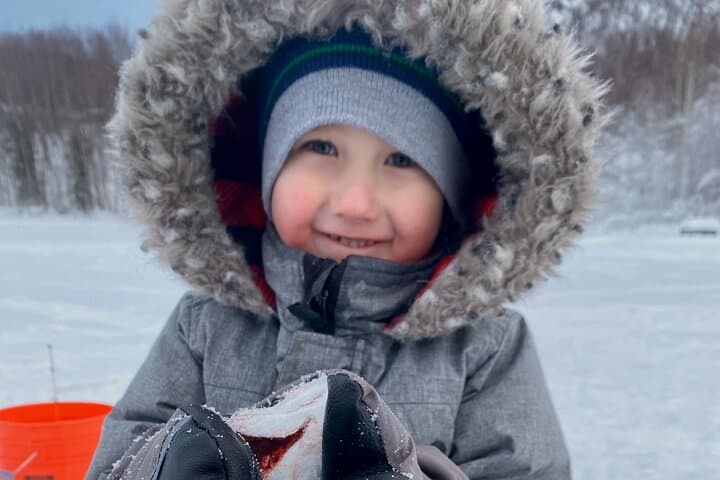
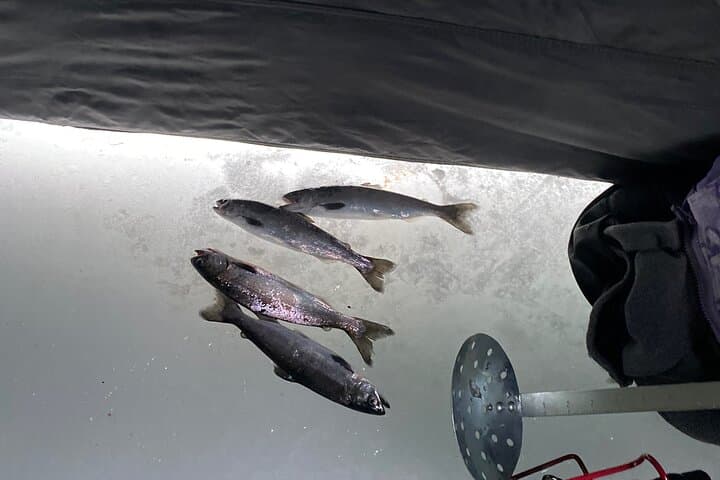
Snowshoe across frozen water to a heated tent and spend a full winter day ice fishing for lake trout and northern pike on Nancy Lake. This guided outing pairs basic snow travel with hands-on instruction and a packed lunch from a local bakery.
Snowshoe across frozen water to a heated tent and spend a full winter day ice fishing for lake trout and northern pike on Nancy Lake. This guided outing pairs basic snow travel with hands-on instruction and a packed lunch from a local bakery.
A cold wind cuts across the frozen expanse as your cramponed steps sink into fresh snow; ahead, a square of canvas glows—steam curling from a heated tent where lunch will wait. This is Nancy Lake in winter: wide sheets of ice, low-angle light, and a landscape that insists you move deliberately.
Verified experiences and guided adventures in the surrounding area.
Operated by Adventures by True North Ak · Palmer, Alaska
A cold wind cuts across the frozen expanse as your cramponed steps sink into fresh snow; ahead, a square of canvas glows—steam curling from a heated tent where lunch will wait. This is Nancy Lake in winter: wide sheets of ice, low-angle light, and a landscape that insists you move deliberately.
The region sits on glacial outwash and lake basins carved by Pleistocene ice; the shallow lakes and muskeg around Palmer shaped both Dena'ina travel routes and later homesteader fishing camps. Guides will point out drumlin-like ridges and spruce stands that mark old shorelines as you snowshoe into a chosen hole. Local culture blends Alaska Native knowledge of winter travel with modern guiding—expect practical tips on ice safety and respect for seasonal wildlife.
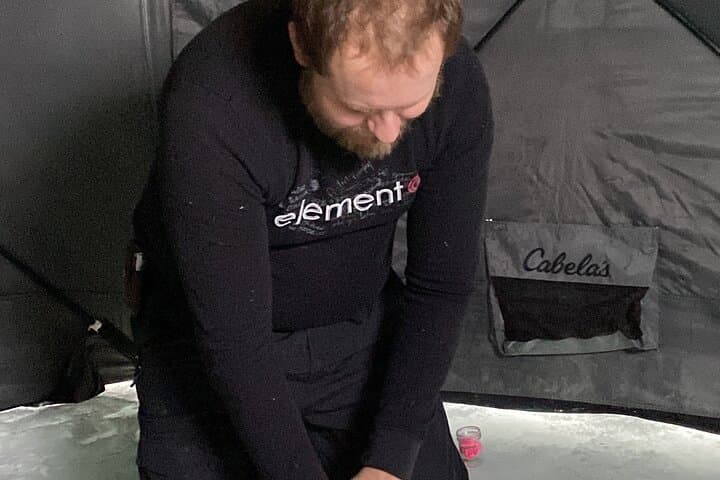
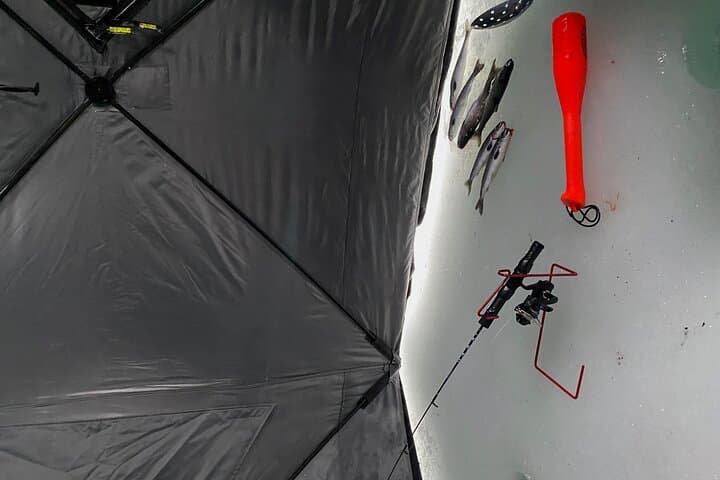
Practically, the trip is a full-day guided outing: roughly 1–1.5 hours of snowshoe approach, time to clear snow and drill holes, then several hours in a heated ice-fishing tent for lake trout and northern pike. Your guide provides all tackle and instruction, cleans fish you keep, and serves a packed lunch from a local bakery. An Alaska fishing license is required and not included.
Plan for layered synthetic insulation, waterproof boots, and extra warm gloves; daylight is limited in deep winter so timing matters. Bring a thermos, personal snacks, and a camera with spare batteries—cold drains power fast. This is an accessible, hands-on way to read Alaska’s winter landscape and go home with a story and possibly fresh fish for dinner.
moderate.
6–8 hours.
Requires moderate fitness for 1–2 hours of snowshoeing on uneven, snow-covered ice and the stamina to sit and fish for several hours.
No—ice fishing rods, tackle, and a heated tent are provided; check with the operator if you prefer to use your own gear.
No; guides teach ice-fishing basics and hole fishing techniques suitable for beginners and intermediates.
Trips may be canceled for unsafe conditions; the operator typically offers full refunds if canceled 24 hours in advance or due to weather.
Children are allowed but must have sufficient stamina for the snowshoe approach and be supervised; confirm age limits with the guide.
The Nancy Lake area occupies basin landscapes formed by glacial retreat and was used seasonally by Alaska Native people; later homesteaders and sport anglers developed winter use patterns.
Stick to established access routes, pack out all waste, and limit fish harvest to local regulations to protect nursery habitats and wintering wildlife.
Adventures by True North Ak operates guided outdoor trips and adventures with an emphasis on safety, stewardship, and memorable experiences.
A cold wind cuts across the frozen expanse as your cramponed steps sink into fresh snow; ahead, a square of canvas glows—steam curling from a heated tent where lunch will wait. This is Nancy Lake in winter: wide sheets of ice, low-angle light, and a landscape that insists you move deliberately.
A cold wind cuts across the frozen expanse as your cramponed steps sink into fresh snow; ahead, a square of canvas glows—steam curling from a heated tent where lunch will wait. This is Nancy Lake in winter: wide sheets of ice, low-angle light, and a landscape that insists you move deliberately.
The region sits on glacial outwash and lake basins carved by Pleistocene ice; the shallow lakes and muskeg around Palmer shaped both Dena'ina travel routes and later homesteader fishing camps. Guides will point out drumlin-like ridges and spruce stands that mark old shorelines as you snowshoe into a chosen hole. Local culture blends Alaska Native knowledge of winter travel with modern guiding—expect practical tips on ice safety and respect for seasonal wildlife.
Practically, the trip is a full-day guided outing: roughly 1–1.5 hours of snowshoe approach, time to clear snow and drill holes, then several hours in a heated ice-fishing tent for lake trout and northern pike. Your guide provides all tackle and instruction, cleans fish you keep, and serves a packed lunch from a local bakery. An Alaska fishing license is required and not included.
Plan for layered synthetic insulation, waterproof boots, and extra warm gloves; daylight is limited in deep winter so timing matters. Bring a thermos, personal snacks, and a camera with spare batteries—cold drains power fast. This is an accessible, hands-on way to read Alaska’s winter landscape and go home with a story and possibly fresh fish for dinner.