THE ADVENTURE COLLECTIVE® · Independent discovery and booking for outdoor travel

Drive two hours from Victoria Falls into Hwange National Park for a full-day open-vehicle safari among large elephant herds, waterhole congregations, and over 400 bird species. This long-day trip blends scenic transfer, expert guiding, and a picnic bush lunch for accessible, high-value wildlife viewing.
Drive two hours from Victoria Falls into Hwange National Park for a full-day open-vehicle safari among large elephant herds, waterhole congregations, and over 400 bird species. This long-day trip blends scenic transfer, expert guiding, and a picnic bush lunch for accessible, high-value wildlife viewing.
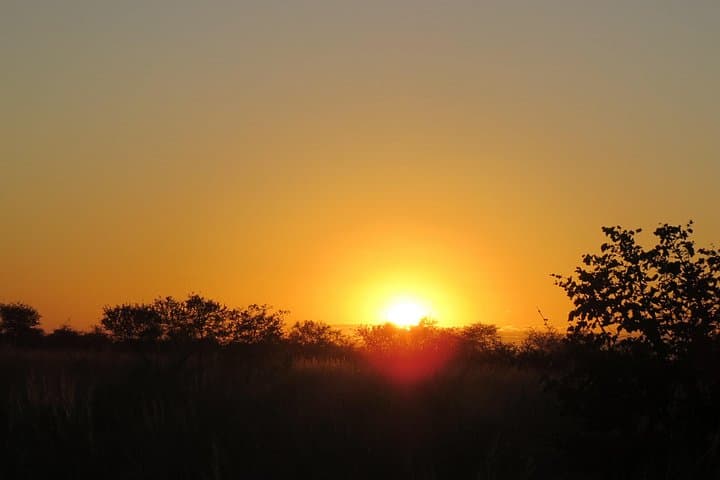
You arrive before sunrise in an open 4x4, the road west toward Hwange a ribbon of red dust and early birdsong. Two hours out of Victoria Falls the landscape opens: flat plains of Kalahari sands, mopane and acacia woodlands, and distant pans where water concentrates life. The guide lowers the roof and the park’s sounds—elephant rumbles, bird calls—feel close enough to follow.
Verified experiences and guided adventures in the surrounding area.
Operated by Apalis Safaris · Victoria Falls, Matabeleland North
You arrive before sunrise in an open 4x4, the road west toward Hwange a ribbon of red dust and early birdsong. Two hours out of Victoria Falls the landscape opens: flat plains of Kalahari sands, mopane and acacia woodlands, and distant pans where water concentrates life. The guide lowers the roof and the park’s sounds—elephant rumbles, bird calls—feel close enough to follow.
Hwange National Park, formally designated in the 1920s, is Zimbabwe’s largest reserve and shaped by its seasonal waterholes and hard sandy soils. Geologically the area is dominated by ancient sand deposits overlying granitic outcrops; ecologically it supports large elephant herds that range across open savannah and shaded woodland. Local communities around the park maintain cultural ties to the land and many guides share knowledge of animal behavior and conservation history as you travel.
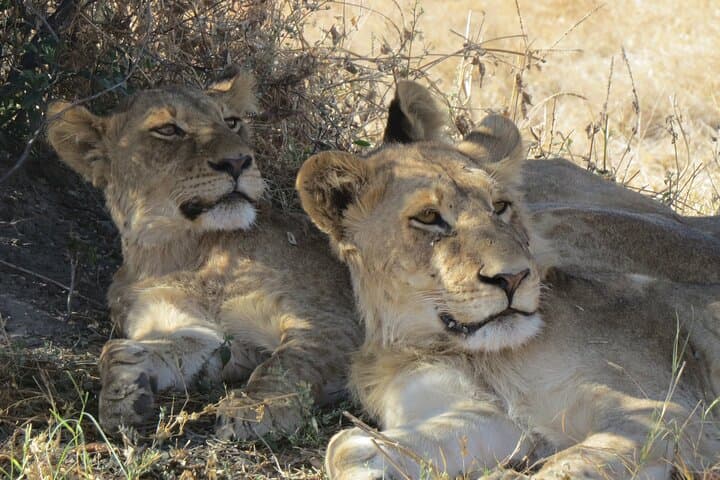
Expect long, slow drives punctuated by sudden bursts of activity at waterholes: elephants lumbering to drink, lions slipping through tall grass, buffalo trading places around a muddy rim. Over 400 bird species use Hwange’s wetlands and pans; binoculars transform distant specks into field marks.
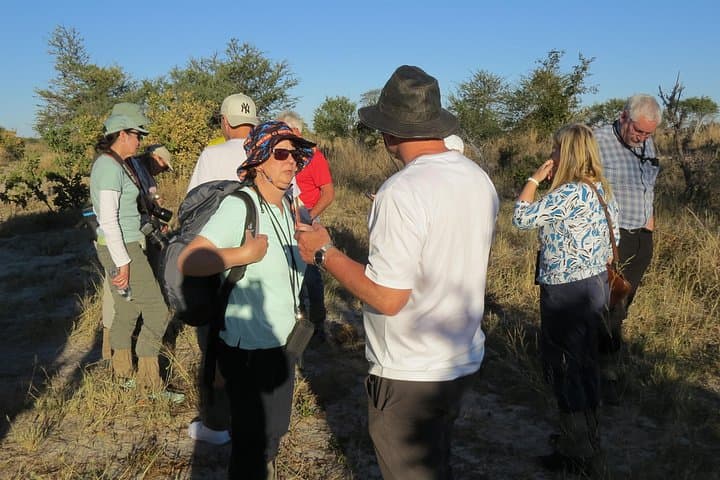
Practical guidance: your day will be long (roughly 12–13 hours door-to-door) and mostly spent in the vehicle; wear sun protection and closed shoes for short walks, bring a refillable water bottle and a charged camera with a telephoto lens. Optimal viewing arrives in the cool of morning and late afternoon when animals gather at water. Roads can be sandy and bumpy; motion sickness precautions are sensible. The experience is straightforward—sit low, stay quiet, and let the park reveal its rhythm.
easy.
12–13 hours.
Minimal fitness required—mostly seated driving with occasional short walks; comfortable mobility and basic stamina for a full day required.
The transfer is roughly two hours each way in an air-conditioned vehicle, depending on road conditions and traffic.
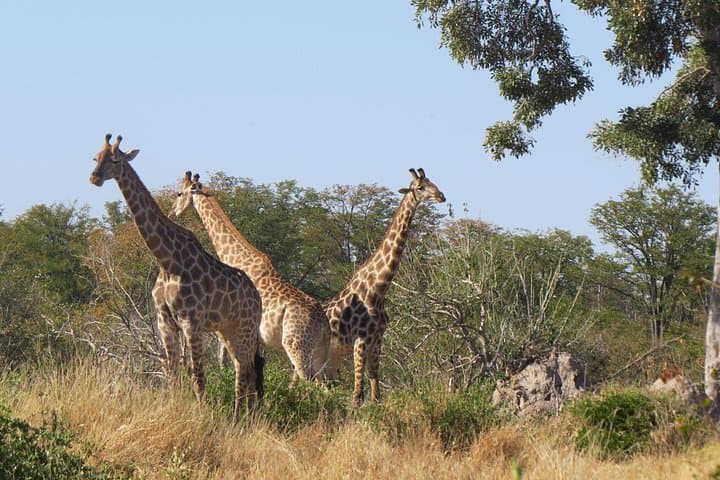
Common sightings include elephants, buffalo, giraffe, zebra, various antelope species, and predators such as lion; over 400 bird species are present seasonally.
Yes—this excursion typically includes national park entry/conservation fees and a picnic-style lunch with bottled water provided.
The tour is family-friendly and described as suitable for most fitness levels; it involves long periods seated in an open vehicle and short walks that might challenge those with restricted mobility.
Originally established in the 1920s, Hwange (formerly Wankie Game Reserve) expanded through mid-20th-century conservation efforts to protect migratory elephant ranges.
Hwange faces pressures from poaching and water stress; reputable operators contribute park fees and follow best-practice distancing and waste policies to minimize impact.
Apalis Safaris operates guided outdoor trips and adventures with an emphasis on safety, stewardship, and memorable experiences.
You arrive before sunrise in an open 4x4, the road west toward Hwange a ribbon of red dust and early birdsong. Two hours out of Victoria Falls the landscape opens: flat plains of Kalahari sands, mopane and acacia woodlands, and distant pans where water concentrates life. The guide lowers the roof and the park’s sounds—elephant rumbles, bird calls—feel close enough to follow.
You arrive before sunrise in an open 4x4, the road west toward Hwange a ribbon of red dust and early birdsong. Two hours out of Victoria Falls the landscape opens: flat plains of Kalahari sands, mopane and acacia woodlands, and distant pans where water concentrates life. The guide lowers the roof and the park’s sounds—elephant rumbles, bird calls—feel close enough to follow.
Hwange National Park, formally designated in the 1920s, is Zimbabwe’s largest reserve and shaped by its seasonal waterholes and hard sandy soils. Geologically the area is dominated by ancient sand deposits overlying granitic outcrops; ecologically it supports large elephant herds that range across open savannah and shaded woodland. Local communities around the park maintain cultural ties to the land and many guides share knowledge of animal behavior and conservation history as you travel.
Expect long, slow drives punctuated by sudden bursts of activity at waterholes: elephants lumbering to drink, lions slipping through tall grass, buffalo trading places around a muddy rim. Over 400 bird species use Hwange’s wetlands and pans; binoculars transform distant specks into field marks.
Practical guidance: your day will be long (roughly 12–13 hours door-to-door) and mostly spent in the vehicle; wear sun protection and closed shoes for short walks, bring a refillable water bottle and a charged camera with a telephoto lens. Optimal viewing arrives in the cool of morning and late afternoon when animals gather at water. Roads can be sandy and bumpy; motion sickness precautions are sensible. The experience is straightforward—sit low, stay quiet, and let the park reveal its rhythm.