THE ADVENTURE COLLECTIVE® · Independent discovery and booking for outdoor travel

A full-day trek from Cusco delivers a startling turquoise lake beneath the Salkantay massif. This guide explains what to expect on the climb, local history, and practical tips to prepare for a 10-hour high‑altitude outing.
A full-day trek from Cusco delivers a startling turquoise lake beneath the Salkantay massif. This guide explains what to expect on the climb, local history, and practical tips to prepare for a 10-hour high‑altitude outing.
A pre-dawn bus slides out of Cusco and up a narrowing valley; the road tightens, the air thins, and by the time hikers step onto the trail at Soraypampa the mountain beyond already dominates the sky. The last slope pushes lungs and legs—then the lake appears: a bowl of vivid turquoise cupped beneath Salkantay’s serrated ice, glacier run-off daring you to stand still and take it in.
Verified experiences and guided adventures in the surrounding area.
Operated by PVTravels · Soraypampa, Cusco
A pre-dawn bus slides out of Cusco and up a narrowing valley; the road tightens, the air thins, and by the time hikers step onto the trail at Soraypampa the mountain beyond already dominates the sky. The last slope pushes lungs and legs—then the lake appears: a bowl of vivid turquoise cupped beneath Salkantay’s serrated ice, glacier run-off daring you to stand still and take it in.
Humantay’s basin is a product of recent glaciation and ongoing Andean uplift. The lake sits at roughly 4,250 m, fed by melt from the Salkantay-Humantay cirque; local Quechua communities have long regarded these peaks as apus—sacred mountain spirits—and the route passes grazing terraces and small hamlets that retain traditional agriculture and textiles.
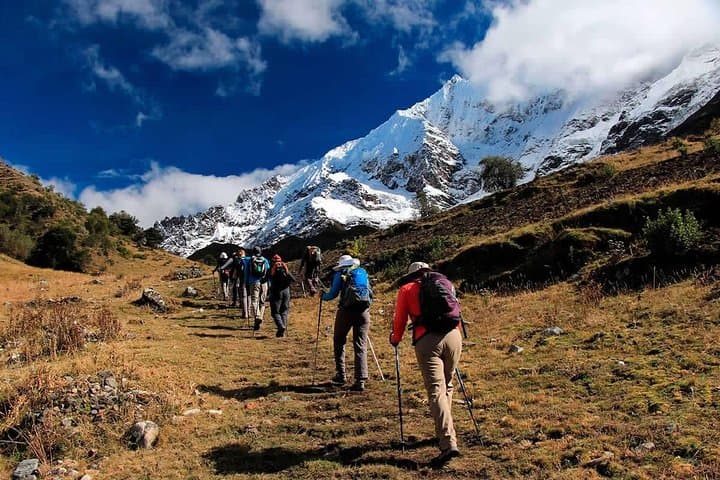
Expect a steep, well-trodden ascent of about 1–1.5 hours from Soraypampa on mixed dirt and scree; short switchbacks reward persistent climbers with panoramic views and close-up glacial features. The summit ridge frames the lake; wind and sun can change weather in minutes, so timing matters.
Practical notes: tours typically include early hotel pickup from Cusco, breakfast in Mollepata, guiding, and return transport—plan for a 10‑hour day total. Hydrate and eat before the climb to manage altitude; bring insulating layers, sun protection, and footwear with good traction. Allow an hour at the lake to absorb the view, photograph, and descend slowly to protect knees. Respect signs and local practices, pack out waste, and move quietly around grazing areas—this is high, fragile ground with a long cultural life.
moderate.
10 hours.
Moderate cardiovascular fitness; able to hike uphill for 1–1.5 hours at high altitude and manage stairs/scree.
The trail is steep but short: about 1–1.5 hours uphill from Soraypampa; expect moderate exertion at high altitude rather than technical difficulty.
Yes—spend at least one night in Cusco (3,400 m) and avoid heavy exertion beforehand to reduce altitude sickness risk.
The route is non-technical but high; children and older adults can do it if healthy and acclimatized, though the ascent can be strenuous and staff restrictions may apply.
Most include hotel pickup in Cusco, breakfast in Mollepata, guiding, transport, lunch, and return to Cusco; confirm exact inclusions before booking.
The Salkantay massif was a major landmark on Inca routes; nearby communities maintain Quechua traditions and regard the peaks as apus—spiritual guardians tied to local ritual calendars.
Humantay’s fragile alpine vegetation and glacial-fed lake are sensitive to trampling and waste; follow leave-no-trace practices and avoid contaminating runoff.
PVTravels operates guided outdoor trips and adventures with an emphasis on safety, stewardship, and memorable experiences.
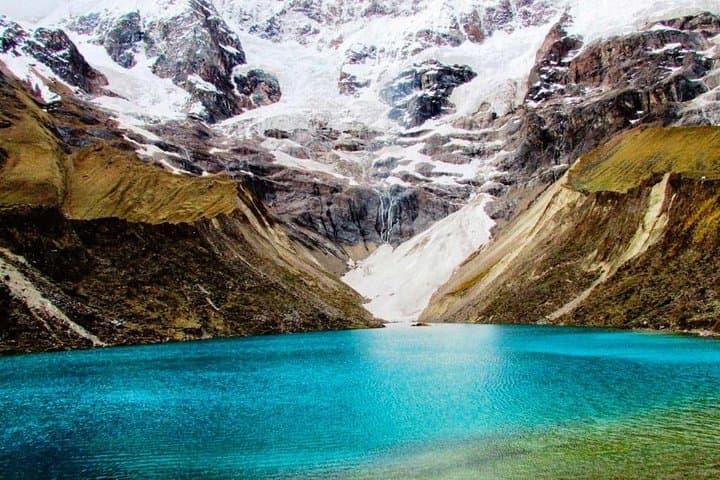
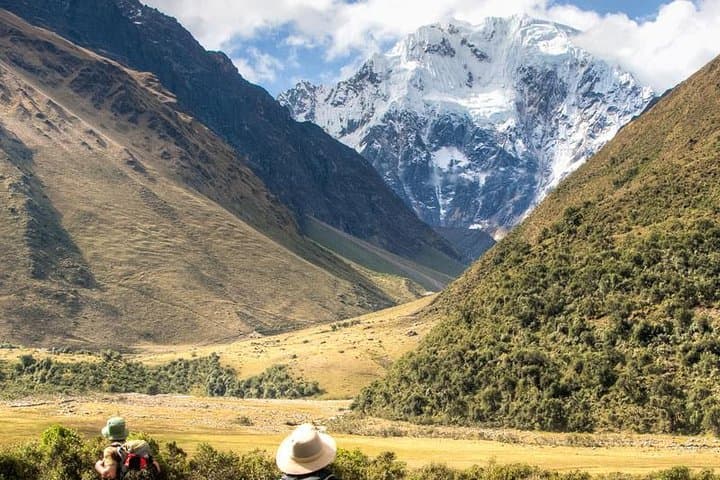
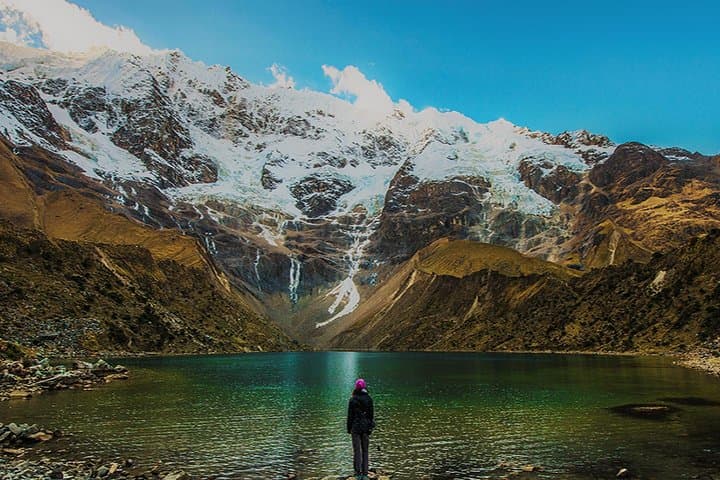
A pre-dawn bus slides out of Cusco and up a narrowing valley; the road tightens, the air thins, and by the time hikers step onto the trail at Soraypampa the mountain beyond already dominates the sky. The last slope pushes lungs and legs—then the lake appears: a bowl of vivid turquoise cupped beneath Salkantay’s serrated ice, glacier run-off daring you to stand still and take it in.
A pre-dawn bus slides out of Cusco and up a narrowing valley; the road tightens, the air thins, and by the time hikers step onto the trail at Soraypampa the mountain beyond already dominates the sky. The last slope pushes lungs and legs—then the lake appears: a bowl of vivid turquoise cupped beneath Salkantay’s serrated ice, glacier run-off daring you to stand still and take it in.
Humantay’s basin is a product of recent glaciation and ongoing Andean uplift. The lake sits at roughly 4,250 m, fed by melt from the Salkantay-Humantay cirque; local Quechua communities have long regarded these peaks as apus—sacred mountain spirits—and the route passes grazing terraces and small hamlets that retain traditional agriculture and textiles.
Expect a steep, well-trodden ascent of about 1–1.5 hours from Soraypampa on mixed dirt and scree; short switchbacks reward persistent climbers with panoramic views and close-up glacial features. The summit ridge frames the lake; wind and sun can change weather in minutes, so timing matters.
Practical notes: tours typically include early hotel pickup from Cusco, breakfast in Mollepata, guiding, and return transport—plan for a 10‑hour day total. Hydrate and eat before the climb to manage altitude; bring insulating layers, sun protection, and footwear with good traction. Allow an hour at the lake to absorb the view, photograph, and descend slowly to protect knees. Respect signs and local practices, pack out waste, and move quietly around grazing areas—this is high, fragile ground with a long cultural life.