THE ADVENTURE COLLECTIVE® · Independent discovery and booking for outdoor travel

A long day from Cusco delivers one of the Andes’ most striking high-altitude lakes with a horse-assisted climb to Laguna Humantay. Expect dramatic glacial scenery, Andean spiritual rituals, and practical high-altitude logistics on this full-day outing.
A long day from Cusco delivers one of the Andes’ most striking high-altitude lakes with a horse-assisted climb to Laguna Humantay. Expect dramatic glacial scenery, Andean spiritual rituals, and practical high-altitude logistics on this full-day outing.
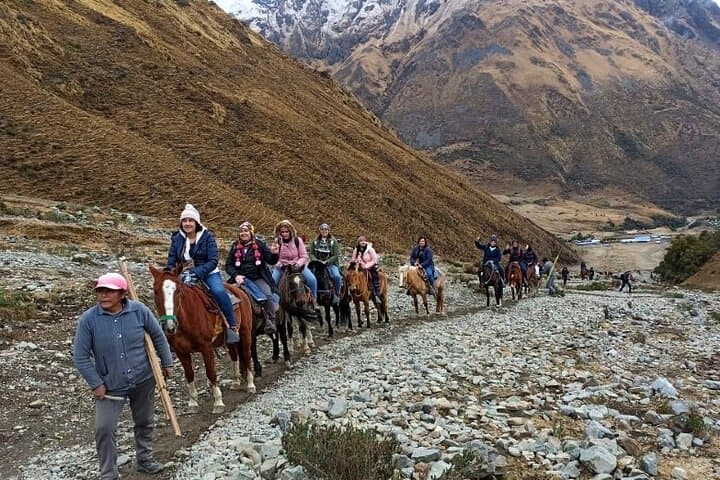
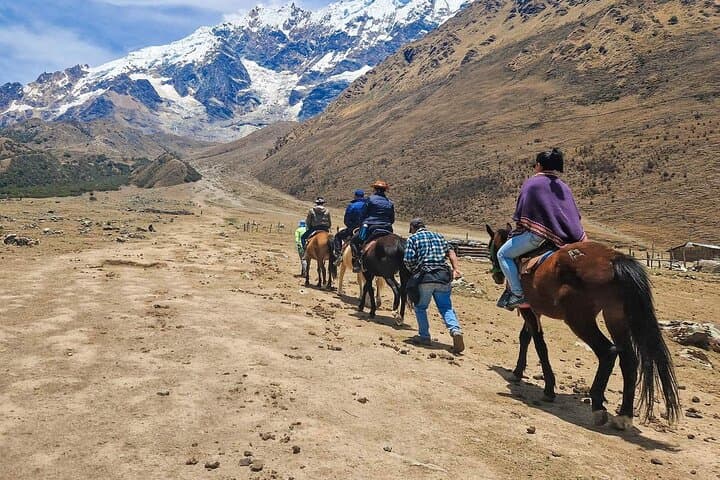
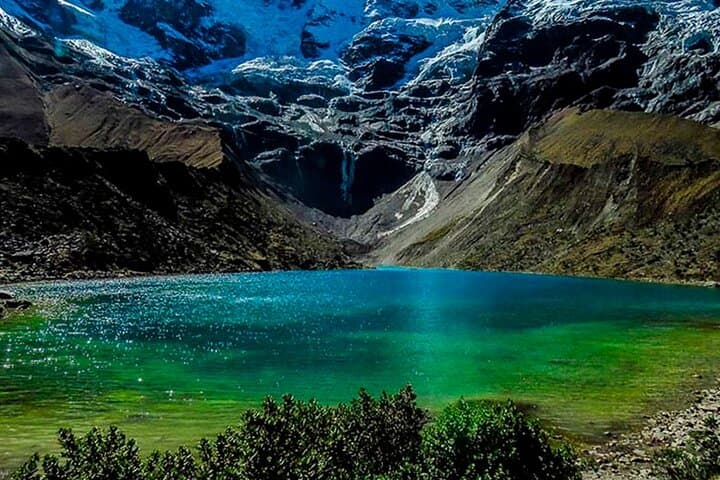
You step out of the van before dawn and the high Andes hold their breath — a pale light outlines Salkantay’s ridgeline while the valley exhales cold, thin air. The drive from Cusco winds past terraced farms and the town of Mollepata; breakfast there is a practical comfort before the climb. At Soraypampa the trail tilts up and horses take the strain, carrying you through tussock grass and rocky switchbacks toward the turquoise bowl of Laguna Humantay at roughly 4,250 m.
Verified experiences and guided adventures in the surrounding area.
Operated by Amaru Explorer Peru · Cusco, Cusco
You step out of the van before dawn and the high Andes hold their breath — a pale light outlines Salkantay’s ridgeline while the valley exhales cold, thin air. The drive from Cusco winds past terraced farms and the town of Mollepata; breakfast there is a practical comfort before the climb. At Soraypampa the trail tilts up and horses take the strain, carrying you through tussock grass and rocky switchbacks toward the turquoise bowl of Laguna Humantay at roughly 4,250 m.
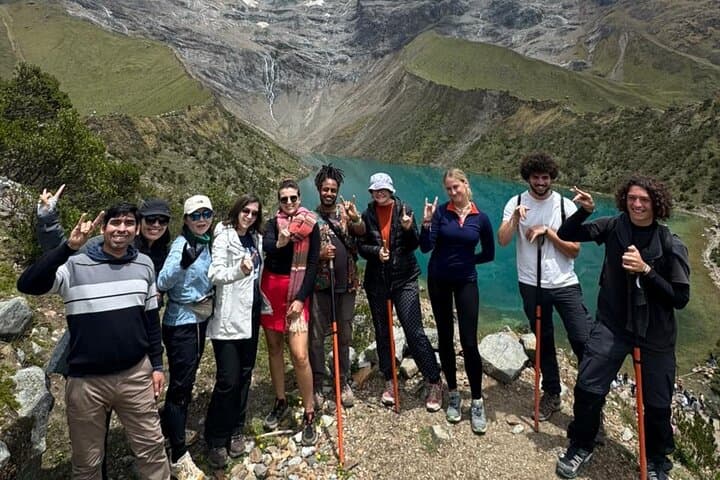
Geology here is stark: glacially carved basins and moraine shoulders frame the lagoon, while Salkantay — one of the region’s dominant peaks — throws a long shadow over the basin. Culturally the site remains active; Quechua offerings to Pachamama and blessings to the Apus link visitors to centuries of Andean practice. Guides often demonstrate the ritual, offering context for respectful participation.
Expect a 1–1.5 hour horseback ascent from Soraypampa, uneven rocky footing at the rim, and an hour or more on-site to take photographs and acclimatize. Weather changes fast: wind can cut visibility, and UV is strong at altitude. Practical advice: hydrate well before the climb, use layered clothing, and move deliberately on the descent — the trail is steep and loose in places.
This is a day designed for high-country experience more than technical climbing: powerful skies, a lagoon that reflects the peaks like a held breath, and the practical logistics of a long but attainable alpine outing from Cusco.
moderate.
12–13 hours.
Moderate fitness with prior acclimatization; able to walk uneven ground for 1–2 hours and tolerate long travel days.
No technical experience is required; horses carry most guests uphill, but you should be comfortable walking uneven terrain and able to descend on foot for up to an hour.
Arrive in Cusco 24–48 hours before the trip, hydrate, avoid heavy drinking, eat light meals, and consider talking to your physician about altitude medication if you have prior issues.
Typical inclusions are hotel pickup in Cusco, breakfast, round-trip transport, guided services, lunch, oxygen assistance, and a walking stick; confirm specifics with the operator before booking.
Many can if they are reasonably fit and acclimatized; horses make the ascent easier, but discuss mobility and health concerns with the operator when booking.
The Humantay basin sits in the shadow of the Salkantay massif, a peak long revered by local Quechua communities; offering rituals to Pachamama continue as a living tradition.
High‑altitude wetlands and trails are fragile—stick to marked paths, pack out waste, and use licensed guides who support local conservation practices.
Amaru Explorer Peru operates guided outdoor trips and adventures with an emphasis on safety, stewardship, and memorable experiences.
You step out of the van before dawn and the high Andes hold their breath — a pale light outlines Salkantay’s ridgeline while the valley exhales cold, thin air. The drive from Cusco winds past terraced farms and the town of Mollepata; breakfast there is a practical comfort before the climb. At Soraypampa the trail tilts up and horses take the strain, carrying you through tussock grass and rocky switchbacks toward the turquoise bowl of Laguna Humantay at roughly 4,250 m.
You step out of the van before dawn and the high Andes hold their breath — a pale light outlines Salkantay’s ridgeline while the valley exhales cold, thin air. The drive from Cusco winds past terraced farms and the town of Mollepata; breakfast there is a practical comfort before the climb. At Soraypampa the trail tilts up and horses take the strain, carrying you through tussock grass and rocky switchbacks toward the turquoise bowl of Laguna Humantay at roughly 4,250 m.
Geology here is stark: glacially carved basins and moraine shoulders frame the lagoon, while Salkantay — one of the region’s dominant peaks — throws a long shadow over the basin. Culturally the site remains active; Quechua offerings to Pachamama and blessings to the Apus link visitors to centuries of Andean practice. Guides often demonstrate the ritual, offering context for respectful participation.
Expect a 1–1.5 hour horseback ascent from Soraypampa, uneven rocky footing at the rim, and an hour or more on-site to take photographs and acclimatize. Weather changes fast: wind can cut visibility, and UV is strong at altitude. Practical advice: hydrate well before the climb, use layered clothing, and move deliberately on the descent — the trail is steep and loose in places.
This is a day designed for high-country experience more than technical climbing: powerful skies, a lagoon that reflects the peaks like a held breath, and the practical logistics of a long but attainable alpine outing from Cusco.