THE ADVENTURE COLLECTIVE® · Independent discovery and booking for outdoor travel

A high-altitude walk from Soraypampa reveals the turquoise Humantay Lagoon beneath Salkantay’s snowy flanks. This full-day tour pairs a steep, short hike with cultural context, essential logistics and practical tips for safely enjoying the view.
A high-altitude walk from Soraypampa reveals the turquoise Humantay Lagoon beneath Salkantay’s snowy flanks. This full-day tour pairs a steep, short hike with cultural context, essential logistics and practical tips for safely enjoying the view.
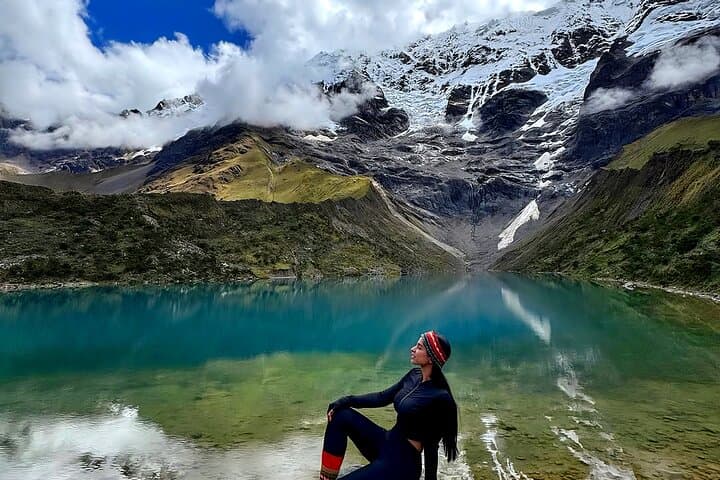
Morning light slants across the high puna as you step from an air-conditioned van into thin, humming air. The trail from Soraypampa climbs quickly, and the mountain seems to wake as you gain each switchback; the lagoon below waits like a coin of blue pinned against the snow of Humantay.
Verified experiences and guided adventures in the surrounding area.
Operated by Peru Wonderful Travel · Soraypampa, Cusco
Morning light slants across the high puna as you step from an air-conditioned van into thin, humming air. The trail from Soraypampa climbs quickly, and the mountain seems to wake as you gain each switchback; the lagoon below waits like a coin of blue pinned against the snow of Humantay.
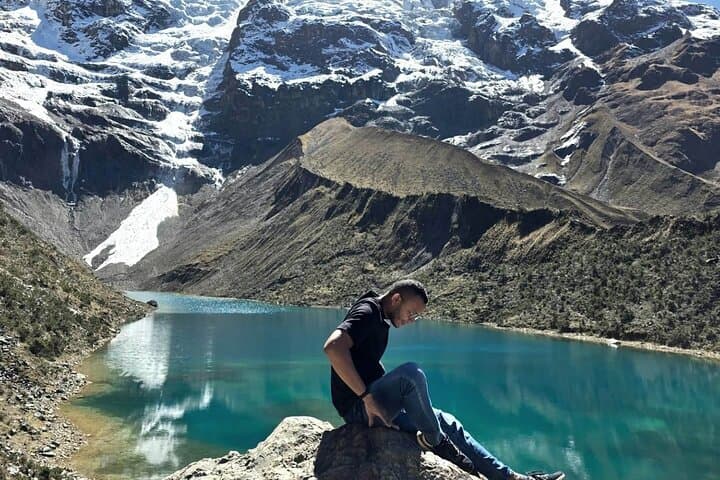
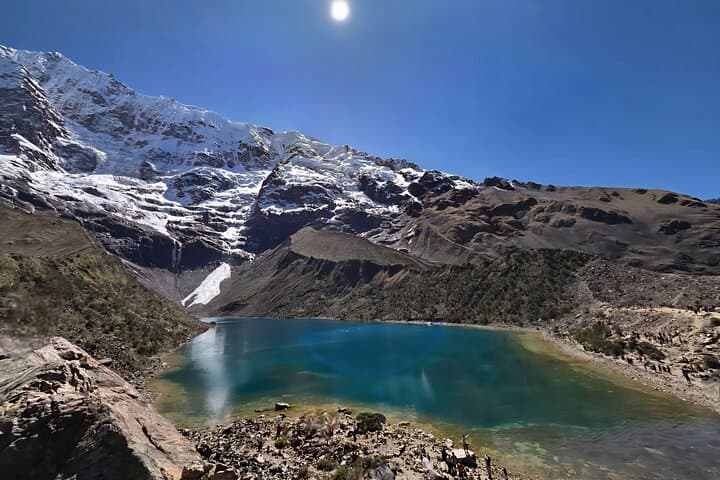
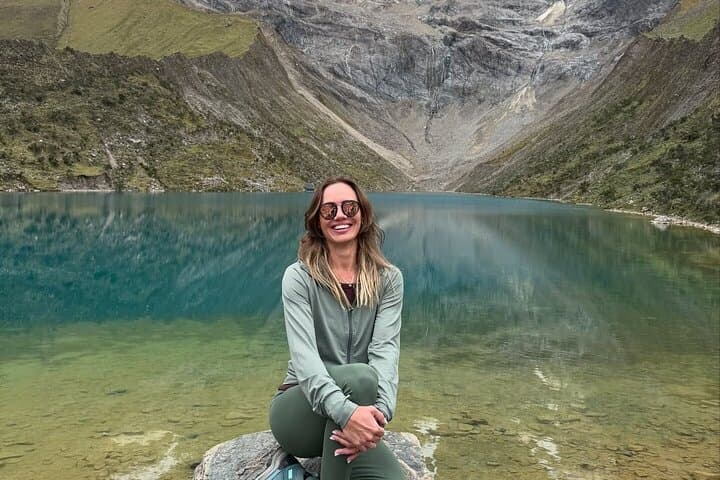
The lake sits below the Salkantay massif, part of the Cordillera Vilcabamba. Geologically, the basin is glacial—an amphitheater carved by ice, now fed by seasonal melt and springs. Culturally the area is an active part of Andean cosmology: locals regard Salkantay and its glaciers as apus, protective spirits, and guides often point out ritual offerings left at high points. Expect sparse vegetation—stunted ichu grass, cushion plants and the occasional hardy lupin—framed by jagged moraine and snowfields.
Practically, the walk from Soraypampa to the lagoon is steep and short: roughly 1.5–1.8 km one way with about 350–450 m of ascent depending on the trail you take. Altitude is the real variable—acclimatization, deliberate pacing and frequent sips of water matter more than pace. Guides on organized day trips typically include breakfast and lunch, first aid and oxygen, and will lead briefings the day before.
Wear sturdy, broken-in boots, layer for wind and sun, and bring trekking poles if you use them; the path is firm but can be slippery after precipitation. Aim to visit in clear weather windows—early morning light gives the best color on the water—and leave no trace: high-altitude wetlands are fragile and quick to show impact.
moderate.
10–12 hours (full-day tour).
Moderate fitness with good cardiovascular tolerance and prior acclimatization; expect steep, sustained uphill sections.
The trail from Soraypampa is roughly 1.5–1.8 km one way with about 350–450 m of ascent; most groups spend 2–3 hours total on the trail with time at the lagoon.
Yes—altitude is the primary challenge. Spend time in Cusco to acclimatize, drink plenty of water, and inform guides of symptoms; tours typically carry oxygen and first aid.
This organized day tour lists breakfast and lunch as included and indicates admission to the lagoon area is covered in the itinerary.
The tour notes it’s not recommended for travelers with poor cardiovascular health; steep sections may also be unsuitable for very young children.
Local communities have long regarded Salkantay and surrounding peaks as apus—sacred mountain spirits served in seasonal offerings; the area also sits along old Andean routes used for trade and ritual travel.
High-altitude wetlands and alpine meadows recover slowly from trampling; stick to established trails, carry out all waste, and avoid introducing foreign food or packaging into fragile areas.
Peru Wonderful Travel operates guided outdoor trips and adventures with an emphasis on safety, stewardship, and memorable experiences.
Morning light slants across the high puna as you step from an air-conditioned van into thin, humming air. The trail from Soraypampa climbs quickly, and the mountain seems to wake as you gain each switchback; the lagoon below waits like a coin of blue pinned against the snow of Humantay.
Morning light slants across the high puna as you step from an air-conditioned van into thin, humming air. The trail from Soraypampa climbs quickly, and the mountain seems to wake as you gain each switchback; the lagoon below waits like a coin of blue pinned against the snow of Humantay.
The lake sits below the Salkantay massif, part of the Cordillera Vilcabamba. Geologically, the basin is glacial—an amphitheater carved by ice, now fed by seasonal melt and springs. Culturally the area is an active part of Andean cosmology: locals regard Salkantay and its glaciers as apus, protective spirits, and guides often point out ritual offerings left at high points. Expect sparse vegetation—stunted ichu grass, cushion plants and the occasional hardy lupin—framed by jagged moraine and snowfields.
Practically, the walk from Soraypampa to the lagoon is steep and short: roughly 1.5–1.8 km one way with about 350–450 m of ascent depending on the trail you take. Altitude is the real variable—acclimatization, deliberate pacing and frequent sips of water matter more than pace. Guides on organized day trips typically include breakfast and lunch, first aid and oxygen, and will lead briefings the day before.
Wear sturdy, broken-in boots, layer for wind and sun, and bring trekking poles if you use them; the path is firm but can be slippery after precipitation. Aim to visit in clear weather windows—early morning light gives the best color on the water—and leave no trace: high-altitude wetlands are fragile and quick to show impact.