THE ADVENTURE COLLECTIVE® · Independent discovery and booking for outdoor travel

Travel the Hai Van Pass to Hue’s Imperial City, step into Thien Mu Pagoda and float the Perfume River on a full-day guided tour. Expect a mix of dramatic coastal views, Nguyen dynasty history and intricate tomb architecture—plus practical tips for a long, heritage-packed day.
Travel the Hai Van Pass to Hue’s Imperial City, step into Thien Mu Pagoda and float the Perfume River on a full-day guided tour. Expect a mix of dramatic coastal views, Nguyen dynasty history and intricate tomb architecture—plus practical tips for a long, heritage-packed day.
You climb out of Da Nang before dawn and the road tightens into the Hai Van Pass—wind and ocean spray pushing against the vehicle as hairpin turns reveal sudden, shelf-like views of the East Vietnam Sea. The pass acts like a curtain-raiser for Hue: by midmorning the Perfume River appears, slow and reflective, daring you into a quieter tempo.
Verified experiences and guided adventures in the surrounding area.
Operated by Private Tourguides in Da Nang Hoi An Hue · Hue, Thua Thien-Hue
You climb out of Da Nang before dawn and the road tightens into the Hai Van Pass—wind and ocean spray pushing against the vehicle as hairpin turns reveal sudden, shelf-like views of the East Vietnam Sea. The pass acts like a curtain-raiser for Hue: by midmorning the Perfume River appears, slow and reflective, daring you into a quieter tempo.
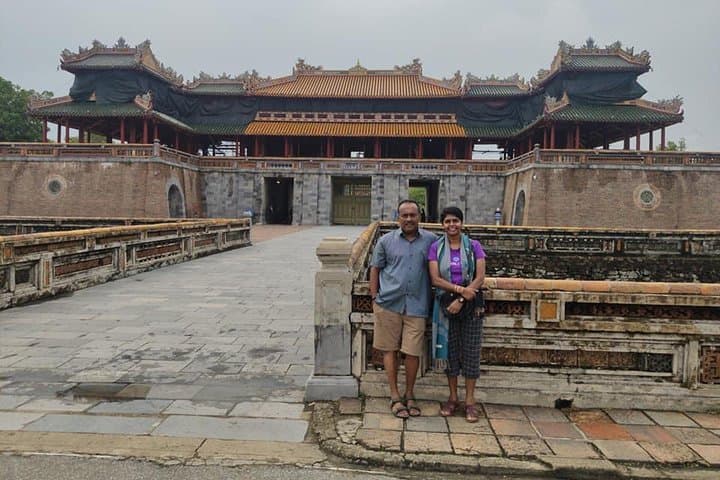
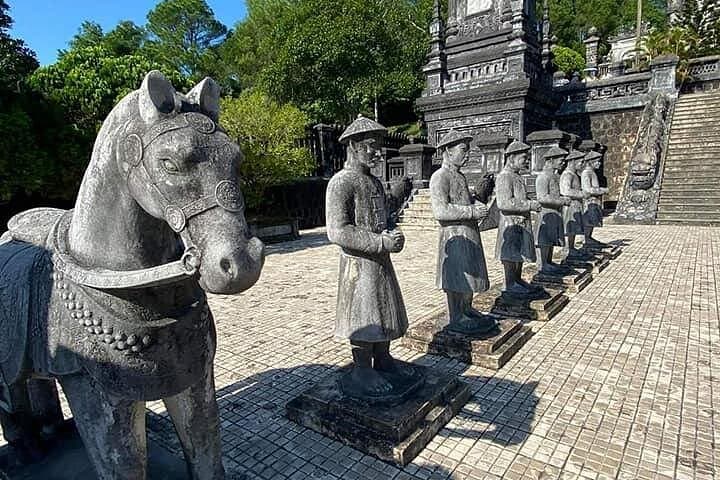
Hue was Vietnam’s imperial capital under the Nguyen dynasty until 1945; its Citadel and Forbidden Purple City remain the clearest architectural record of that period. Thien Mu Pagoda, founded in 1601 on a bend of the river, still functions as a living monastery and anchors local spiritual life. Khai Dinh’s tomb complicates the classical imperial image—mosaics, European ornament and dense symbolism creating an uneasy but luminous hybrid.
Geologically, Hai Van is a coastal ridge of older sedimentary rock that splits ocean and inland plain, offering a dramatic vantage for weather and light shifts. Culturally, Hue’s food and ceremonies reflect courtly formality—expect restrained flavors like bun bo Hue alongside temple incense and slow, reverent movement.
Practical guidance: this is a full-day outing (roughly 9–10 hours including transfers). Bring sturdy walking shoes, sun protection and a modest outfit for temples. The tour includes bottled water, lunch, entrance fees to the Imperial City and Khai Dinh Tomb, and a roughly 30-minute Perfume River boat ride. Expect periods of bumpy driving on the pass and several staircases at heritage sites. Start early to avoid midday heat and allow time at viewpoints—this is a day of layered history and coastal air, paced by engine hum and temple bells.
moderate.
9–10 hours.
Comfortable with several hours of walking on uneven ground and short stair climbs; able to sit through transfers.
Yes—the tour includes entrance tickets for Hue Imperial City and Khai Dinh Tomb as listed in the itinerary.
The included boat segment is approximately 30 minutes, enough for a river-side view and short photo stops.
Pickup is arranged from hotels in Da Nang and Hoi An; the tour provider confirms exact pickup points when you book.
Infants and small children can use strollers and infant seats are available, but expect stairs and uneven surfaces at historic sites.
Hue was the seat of the Nguyen dynasty and contains the Imperial Citadel and royal tombs, many of which are UNESCO-recognized for their cultural value.
Heritage sites are sensitive—stay on marked paths, avoid touching frescoes and limit single-use plastics to reduce visitor impact.
Private Tourguides in Da Nang Hoi An Hue operates guided outdoor trips and adventures with an emphasis on safety, stewardship, and memorable experiences.

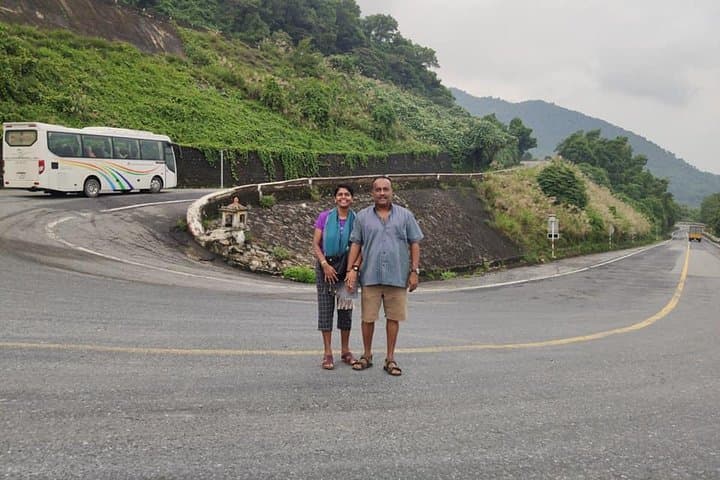
You climb out of Da Nang before dawn and the road tightens into the Hai Van Pass—wind and ocean spray pushing against the vehicle as hairpin turns reveal sudden, shelf-like views of the East Vietnam Sea. The pass acts like a curtain-raiser for Hue: by midmorning the Perfume River appears, slow and reflective, daring you into a quieter tempo.
You climb out of Da Nang before dawn and the road tightens into the Hai Van Pass—wind and ocean spray pushing against the vehicle as hairpin turns reveal sudden, shelf-like views of the East Vietnam Sea. The pass acts like a curtain-raiser for Hue: by midmorning the Perfume River appears, slow and reflective, daring you into a quieter tempo.
Hue was Vietnam’s imperial capital under the Nguyen dynasty until 1945; its Citadel and Forbidden Purple City remain the clearest architectural record of that period. Thien Mu Pagoda, founded in 1601 on a bend of the river, still functions as a living monastery and anchors local spiritual life. Khai Dinh’s tomb complicates the classical imperial image—mosaics, European ornament and dense symbolism creating an uneasy but luminous hybrid.
Geologically, Hai Van is a coastal ridge of older sedimentary rock that splits ocean and inland plain, offering a dramatic vantage for weather and light shifts. Culturally, Hue’s food and ceremonies reflect courtly formality—expect restrained flavors like bun bo Hue alongside temple incense and slow, reverent movement.
Practical guidance: this is a full-day outing (roughly 9–10 hours including transfers). Bring sturdy walking shoes, sun protection and a modest outfit for temples. The tour includes bottled water, lunch, entrance fees to the Imperial City and Khai Dinh Tomb, and a roughly 30-minute Perfume River boat ride. Expect periods of bumpy driving on the pass and several staircases at heritage sites. Start early to avoid midday heat and allow time at viewpoints—this is a day of layered history and coastal air, paced by engine hum and temple bells.