THE ADVENTURE COLLECTIVE® · Independent discovery and booking for outdoor travel

Fly over the enigmatic Nazca Lines, race across towering dunes at Huacachina and sample pisco at a local vineyard—all in one long, desert-steeped day. This full-day excursion blends an aerial spectacle with hands-on desert adventure and cultural tasting.
Fly over the enigmatic Nazca Lines, race across towering dunes at Huacachina and sample pisco at a local vineyard—all in one long, desert-steeped day. This full-day excursion blends an aerial spectacle with hands-on desert adventure and cultural tasting.
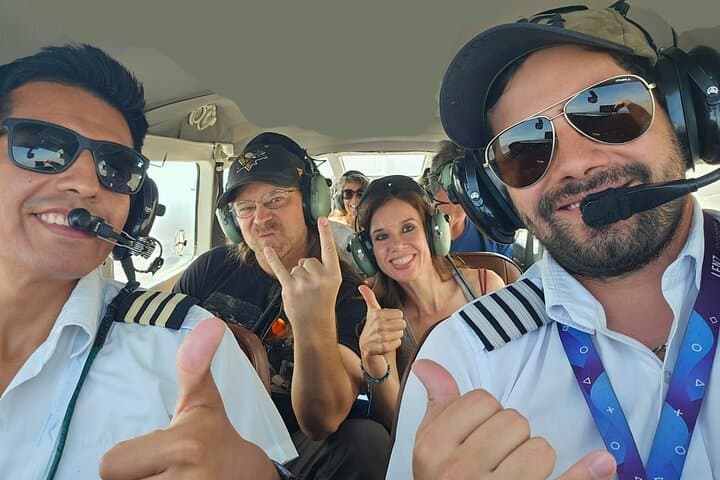
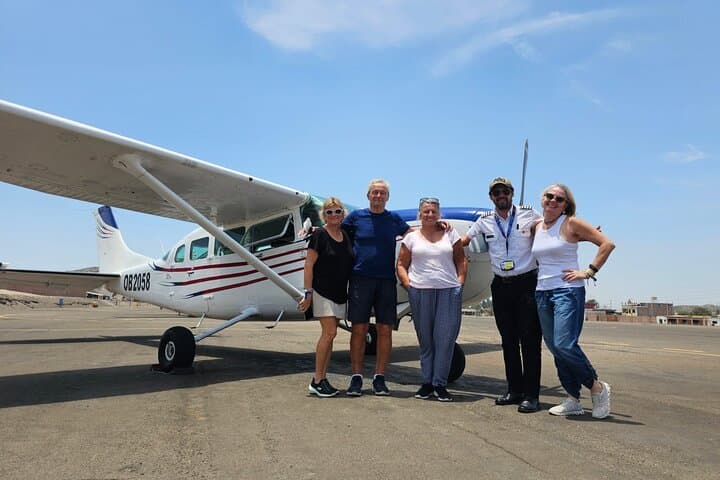
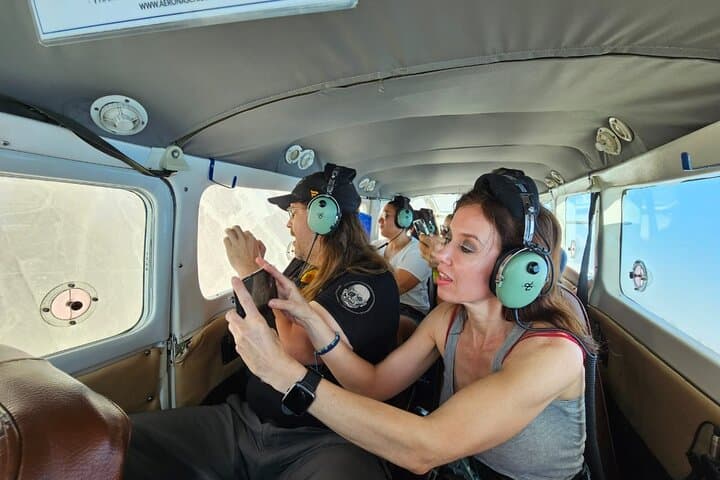
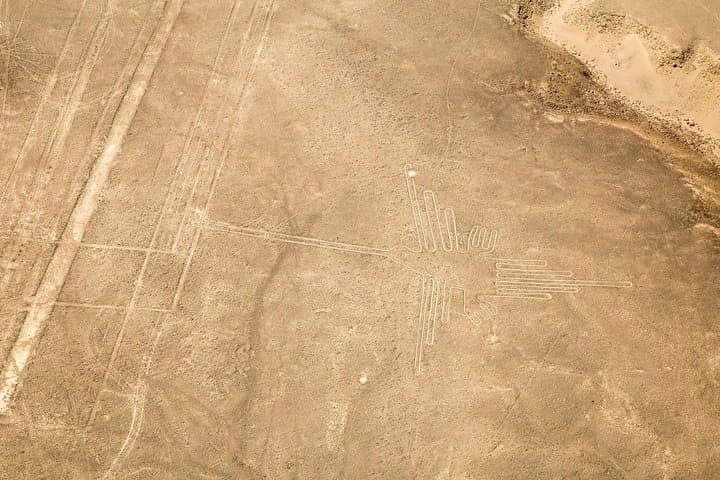
The day begins before dawn in Lima as an air-conditioned van eases out of Miraflores and into the wide, pale flank of Peru’s coastal desert. Dust and salt flats unspool beside the highway while distant mounds—prehistoric terraces and dunes—loom like gestures from another age. At Maria Reiche aerodrome the little plane waits; engines hum and the Nazca plain opens beneath you, the straight lines and animal figures cutting the earth with deliberate, human certainty.
Verified experiences and guided adventures in the surrounding area.
Operated by 7Routes of Peru · Huacachina, Ica
The day begins before dawn in Lima as an air-conditioned van eases out of Miraflores and into the wide, pale flank of Peru’s coastal desert. Dust and salt flats unspool beside the highway while distant mounds—prehistoric terraces and dunes—loom like gestures from another age. At Maria Reiche aerodrome the little plane waits; engines hum and the Nazca plain opens beneath you, the straight lines and animal figures cutting the earth with deliberate, human certainty.
The Nazca Lines are the work of the Nazca culture (c. 200 BCE–600 CE), created by removing dark surface gravel to reveal lighter soil beneath. Geologically this is an exceptionally stable desert crust—one reason the geoglyphs have endured—and the dry air gives the overflight hours of visibility when conditions are right.
Later the trip pivots from the aerial to the tactile: Huacachina’s oasis is a pocket of green amid towering sand walls. Buggies roar up razorback dunes while sandboards slide you down warm slopes that seem to push and pull beneath your feet. The day ends with a visit to a nearby winery to learn pisco production—fermentation, distillation and a tasting that places Peru’s national spirit in cultural context.
Practical guidance: flights over the lines are short but sensitive to weather—book morning windows for the clearest air. Bring sunscreen, closed-toe shoes for dune runs, motion-sickness remedies for the flight, and a camera with a wide-angle lens. Expect long road transfers; pack snacks and a charged phone. This is a full day of two landscapes—open sky and shifting sand—that both dare you to look differently at the ground beneath your feet.
easy.
12–16 hours.
Suitable for most fitness levels; expect long vehicle transfers, brief walks, and sandboarding that requires basic balance.
The overflight segment is roughly 30–45 minutes in a small plane; total time on-site at the aerodrome is about an hour.
Yes—children can join, but check airline/aircraft age and weight restrictions and supervise kids during sandboarding and buggy rides.
Flights may be canceled for wind or low visibility; operators usually offer refunds or rescheduling when possible—confirm the policy when you book.
Bring your passport or ID for check-in and any domestic flight requirements; the operator may ask for passenger details in advance.
The Nazca Lines were created by the Nazca culture between roughly 200 BCE and 600 CE; their size and placement likely had ritual and astronomical significance.
The geoglyphs are extremely sensitive to vehicle and foot traffic; responsible operators limit ground access and follow flight corridors to minimize erosion and disturbance.
7Routes of Peru operates guided outdoor trips and adventures with an emphasis on safety, stewardship, and memorable experiences.
The day begins before dawn in Lima as an air-conditioned van eases out of Miraflores and into the wide, pale flank of Peru’s coastal desert. Dust and salt flats unspool beside the highway while distant mounds—prehistoric terraces and dunes—loom like gestures from another age. At Maria Reiche aerodrome the little plane waits; engines hum and the Nazca plain opens beneath you, the straight lines and animal figures cutting the earth with deliberate, human certainty.
The day begins before dawn in Lima as an air-conditioned van eases out of Miraflores and into the wide, pale flank of Peru’s coastal desert. Dust and salt flats unspool beside the highway while distant mounds—prehistoric terraces and dunes—loom like gestures from another age. At Maria Reiche aerodrome the little plane waits; engines hum and the Nazca plain opens beneath you, the straight lines and animal figures cutting the earth with deliberate, human certainty.
The Nazca Lines are the work of the Nazca culture (c. 200 BCE–600 CE), created by removing dark surface gravel to reveal lighter soil beneath. Geologically this is an exceptionally stable desert crust—one reason the geoglyphs have endured—and the dry air gives the overflight hours of visibility when conditions are right.
Later the trip pivots from the aerial to the tactile: Huacachina’s oasis is a pocket of green amid towering sand walls. Buggies roar up razorback dunes while sandboards slide you down warm slopes that seem to push and pull beneath your feet. The day ends with a visit to a nearby winery to learn pisco production—fermentation, distillation and a tasting that places Peru’s national spirit in cultural context.
Practical guidance: flights over the lines are short but sensitive to weather—book morning windows for the clearest air. Bring sunscreen, closed-toe shoes for dune runs, motion-sickness remedies for the flight, and a camera with a wide-angle lens. Expect long road transfers; pack snacks and a charged phone. This is a full day of two landscapes—open sky and shifting sand—that both dare you to look differently at the ground beneath your feet.