THE ADVENTURE COLLECTIVE® · Independent discovery and booking for outdoor travel

Disembark at Phu My and spend a focused day exploring Ho Chi Minh City’s architecture, wartime history, and Chinatown. This shore excursion balances iconic sights with practical tips for a smooth, full-day urban adventure.
Disembark at Phu My and spend a focused day exploring Ho Chi Minh City’s architecture, wartime history, and Chinatown. This shore excursion balances iconic sights with practical tips for a smooth, full-day urban adventure.
You step off the tender into the humid air of Phu My port and the city announces itself: motorbike horns, street vendors calling out breakfast bánh mì, and a ribbon of palm trees leading toward the distant skyline of Ho Chi Minh City. The day unspools by road and foot, giving breath and context to the landmarks you pass—colonial facades, pagoda roofs, and the busy arteries of a modernizing metropolis.
Verified experiences and guided adventures in the surrounding area.
Operated by Vietnam Private Transfers · Ho Chi Minh City, Ho Chi Minh
You step off the tender into the humid air of Phu My port and the city announces itself: motorbike horns, street vendors calling out breakfast bánh mì, and a ribbon of palm trees leading toward the distant skyline of Ho Chi Minh City. The day unspools by road and foot, giving breath and context to the landmarks you pass—colonial facades, pagoda roofs, and the busy arteries of a modernizing metropolis.
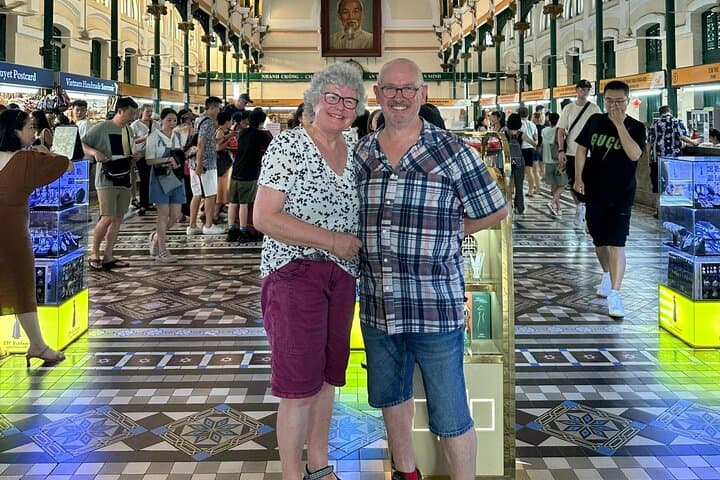
This route threads together Vietnam’s layered past: French colonial architecture (note the Central Post Office and Saigon Notre-Dame), the fraught history preserved at the War Remnants Museum and Independence (Reunification) Palace, and the Cantonese heritage of Chợ Lớn with Ba Thien Hau Temple. Geologically you’re on flat alluvial plains fed by the Saigon River and the greater Mekong watershed—easy terrain but often humid and sun-drenched.
Culturally, expect the city’s kinetic energy: vendors rolling out morning coffee, lacquerware shops, incense in temple courtyards, and the tight lanes of Chinatown where trades have run for generations.
Practical guidance: this is a long, guided day (about 9 hours including port transfers). Wear comfortable walking shoes, bring sun protection, and carry local currency for small purchases and tips. Photography is welcomed but be respectful at religious sites; modest dress is advised. If you’re prone to motion sickness, plan for the highway transfer to and from Phu My. Mobility access is generally good—confirm specifics with your operator if you need a wheelchair-compatible vehicle. Time your visit for early morning starts to avoid peak afternoon heat and to catch market life at its most active.
easy.
9 hours.
Suitable for travelers of most fitness levels; expect multiple short walks and standing at exhibits
Most key entrances listed (Independence Palace, War Remnants Museum, Central Post Office) are covered—confirm at booking and carry a small amount of cash for optional sites or donations.
Yes; the tour notes wheelchair-accessible transportation and surfaces, but confirm specific vehicle accessibility and assistance needs when booking.
Expect roughly 1.5–2.5 hours round-trip transfer time depending on traffic; the itinerary allocates significant time for travel to/from the port.
Vietnamese đồng (VND) is standard for small purchases; tipping is appreciated for guides and drivers—small cash amounts are typical.
Ho Chi Minh City combines French colonial planning with sites central to the Vietnam War and the reunification story; Chinatown (Chợ Lớn) preserves Cantonese merchant culture dating to the 19th century.
Tourism impacts are managed through measured group sizes and respectful temple practices—avoid single-use plastics and follow local guidance to minimize strain on crowded urban sites.
Vietnam Private Transfers operates guided outdoor trips and adventures with an emphasis on safety, stewardship, and memorable experiences.
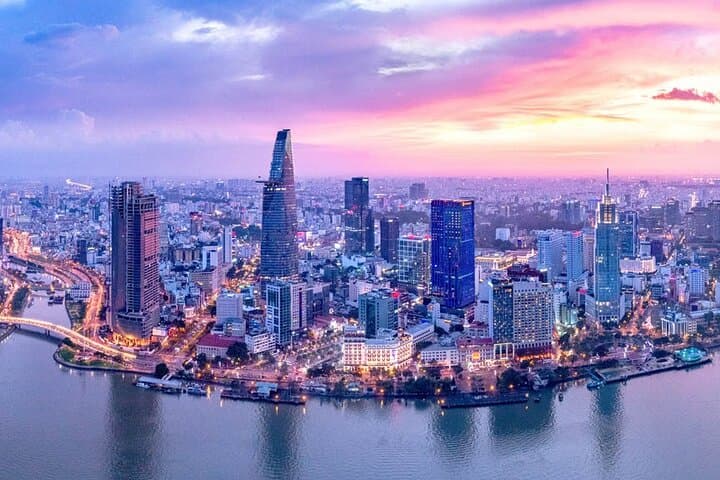
You step off the tender into the humid air of Phu My port and the city announces itself: motorbike horns, street vendors calling out breakfast bánh mì, and a ribbon of palm trees leading toward the distant skyline of Ho Chi Minh City. The day unspools by road and foot, giving breath and context to the landmarks you pass—colonial facades, pagoda roofs, and the busy arteries of a modernizing metropolis.
You step off the tender into the humid air of Phu My port and the city announces itself: motorbike horns, street vendors calling out breakfast bánh mì, and a ribbon of palm trees leading toward the distant skyline of Ho Chi Minh City. The day unspools by road and foot, giving breath and context to the landmarks you pass—colonial facades, pagoda roofs, and the busy arteries of a modernizing metropolis.
This route threads together Vietnam’s layered past: French colonial architecture (note the Central Post Office and Saigon Notre-Dame), the fraught history preserved at the War Remnants Museum and Independence (Reunification) Palace, and the Cantonese heritage of Chợ Lớn with Ba Thien Hau Temple. Geologically you’re on flat alluvial plains fed by the Saigon River and the greater Mekong watershed—easy terrain but often humid and sun-drenched.
Culturally, expect the city’s kinetic energy: vendors rolling out morning coffee, lacquerware shops, incense in temple courtyards, and the tight lanes of Chinatown where trades have run for generations.
Practical guidance: this is a long, guided day (about 9 hours including port transfers). Wear comfortable walking shoes, bring sun protection, and carry local currency for small purchases and tips. Photography is welcomed but be respectful at religious sites; modest dress is advised. If you’re prone to motion sickness, plan for the highway transfer to and from Phu My. Mobility access is generally good—confirm specifics with your operator if you need a wheelchair-compatible vehicle. Time your visit for early morning starts to avoid peak afternoon heat and to catch market life at its most active.