THE ADVENTURE COLLECTIVE® · Independent discovery and booking for outdoor travel

This full-day trip from Durban pairs a classic Hluhluwe-Imfolozi game drive with an educational visit to the Emdoneni Wild Cat Project—see Big Five habitat and meet rehabilitated wild cats up close. Ideal for wildlife enthusiasts who want both broad-game viewing and focused conservation learning.
This full-day trip from Durban pairs a classic Hluhluwe-Imfolozi game drive with an educational visit to the Emdoneni Wild Cat Project—see Big Five habitat and meet rehabilitated wild cats up close. Ideal for wildlife enthusiasts who want both broad-game viewing and focused conservation learning.
You step out before dawn in Durban and the van hums north along the coastal plain, coffee in hand and the horizon lighting slowly like an ember. By mid-morning the road opens to rolling hills of Hluhluwe-Imfolozi; grasslands ripple, termite mounds stand like small fortresses, and the reserve’s ridgelines direct your gaze across savannah that still shifts with the slow business of wild animals.
Verified experiences and guided adventures in the surrounding area.
Operated by 1st Zulu Safaris · Hluhluwe, KwaZulu-Natal
You step out before dawn in Durban and the van hums north along the coastal plain, coffee in hand and the horizon lighting slowly like an ember. By mid-morning the road opens to rolling hills of Hluhluwe-Imfolozi; grasslands ripple, termite mounds stand like small fortresses, and the reserve’s ridgelines direct your gaze across savannah that still shifts with the slow business of wild animals.
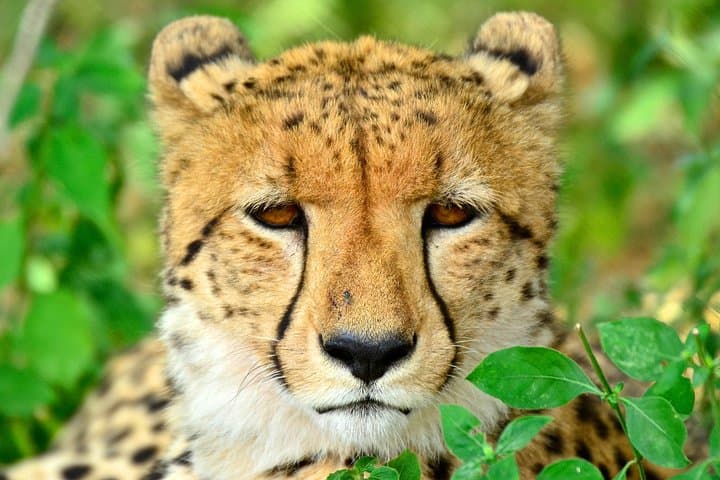
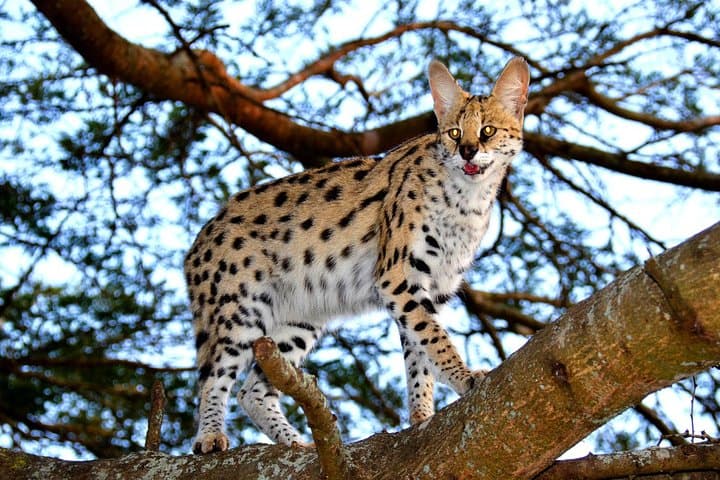
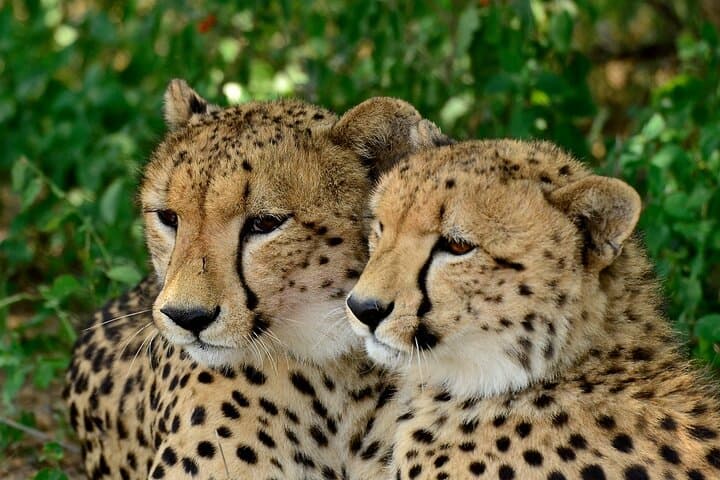
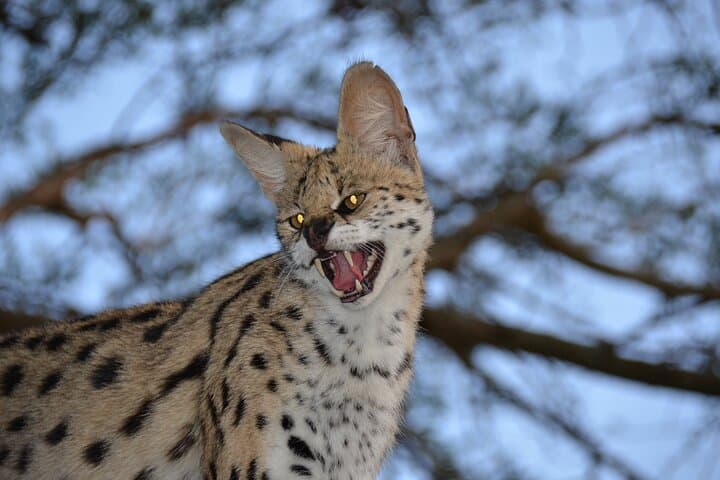
Hluhluwe-Imfolozi is South Africa’s oldest proclaimed game reserve (est. 1895) and a focal point for white rhino conservation. Geologically the park is a patchwork of Natal Group sandstones and fertile valleys that support scrub thicket, riverine forest and open plains—habitat diversity that translates to rich birdlife and the Big Five on a good day. The Emdoneni Wild Cat Project, by contrast, is a hands-on rehabilitation centre that focuses on small and medium felids—cheetahs, servals, caracals and African wildcats—offering guided presentations and close-up viewing in managed enclosures.
Expect a full day: long stretches in a closed vehicle over undulating, sometimes bumpy roads, guided commentary on conservation and animal behaviour, and a 90-minute structured visit at Emdoneni. The tour suits travelers who want both classic safari viewing and an educational, up-close look at endangered cats.
Practical notes: pickup at 06:00 from Durban, wear sturdy shoes and a sun hat, pack water and layers for cool mornings and hotter afternoons. Cameras with zoom lenses are recommended; binoculars improve bird and distant-animal viewing. Respect guide instructions during animal encounters—safety and the animals’ welfare are the priority.
moderate.
12 hours.
Moderate—able to sit for long periods, handle short walks and uneven surfaces briefly
The full-day tour is approximately 12 hours with pickup from Durban at 06:00 and return around 20:30.
Yes — the tour includes entrance fees to Hluhluwe-Imfolozi and transport with hotel pickup and drop-off within a specified Durban radius.
Wildlife sightings cannot be guaranteed; Hluhluwe-Imfolozi hosts the Big Five historically, but sightings depend on season, luck and animal movements.
Encounters are managed and guided—close viewing is possible, but interactions follow strict welfare protocols and are supervised by staff.
Hluhluwe-Imfolozi was set aside in 1895 and became central to 20th-century efforts to save the white rhino from extinction.
The area is a long-standing conservation landscape; support through responsible visits helps fund anti-poaching, habitat management and rehabilitation projects like Emdoneni.
1st Zulu Safaris operates guided outdoor trips and adventures with an emphasis on safety, stewardship, and memorable experiences.
You step out before dawn in Durban and the van hums north along the coastal plain, coffee in hand and the horizon lighting slowly like an ember. By mid-morning the road opens to rolling hills of Hluhluwe-Imfolozi; grasslands ripple, termite mounds stand like small fortresses, and the reserve’s ridgelines direct your gaze across savannah that still shifts with the slow business of wild animals.
You step out before dawn in Durban and the van hums north along the coastal plain, coffee in hand and the horizon lighting slowly like an ember. By mid-morning the road opens to rolling hills of Hluhluwe-Imfolozi; grasslands ripple, termite mounds stand like small fortresses, and the reserve’s ridgelines direct your gaze across savannah that still shifts with the slow business of wild animals.
Hluhluwe-Imfolozi is South Africa’s oldest proclaimed game reserve (est. 1895) and a focal point for white rhino conservation. Geologically the park is a patchwork of Natal Group sandstones and fertile valleys that support scrub thicket, riverine forest and open plains—habitat diversity that translates to rich birdlife and the Big Five on a good day. The Emdoneni Wild Cat Project, by contrast, is a hands-on rehabilitation centre that focuses on small and medium felids—cheetahs, servals, caracals and African wildcats—offering guided presentations and close-up viewing in managed enclosures.
Expect a full day: long stretches in a closed vehicle over undulating, sometimes bumpy roads, guided commentary on conservation and animal behaviour, and a 90-minute structured visit at Emdoneni. The tour suits travelers who want both classic safari viewing and an educational, up-close look at endangered cats.
Practical notes: pickup at 06:00 from Durban, wear sturdy shoes and a sun hat, pack water and layers for cool mornings and hotter afternoons. Cameras with zoom lenses are recommended; binoculars improve bird and distant-animal viewing. Respect guide instructions during animal encounters—safety and the animals’ welfare are the priority.