THE ADVENTURE COLLECTIVE® · Independent discovery and booking for outdoor travel

Spend a full day tracking the Big Five in Hluhluwe–Imfolozi, Africa’s oldest proclaimed reserve. This guided day trip from Durban combines early-morning drives, expert interpretation, and high chances to see elephant, rhino, lion and more.
Spend a full day tracking the Big Five in Hluhluwe–Imfolozi, Africa’s oldest proclaimed reserve. This guided day trip from Durban combines early-morning drives, expert interpretation, and high chances to see elephant, rhino, lion and more.
You arrive before dawn, Durban shrinking behind you and a wide scrub-scented air pressing through the minibus windows. As the road climbs into rolling hills, the scrub thins and the soundscape changes: birds, distant bellows, and the low susurrus of grasses moving on the wind. By mid-morning the park opens like a living atlas — ridges and river valleys reveal herds moving along game paths, and the landscape itself seems to steer the safari.
Verified experiences and guided adventures in the surrounding area.
Operated by African Saf Safaris · Hluhluwe, KwaZulu-Natal
You arrive before dawn, Durban shrinking behind you and a wide scrub-scented air pressing through the minibus windows. As the road climbs into rolling hills, the scrub thins and the soundscape changes: birds, distant bellows, and the low susurrus of grasses moving on the wind. By mid-morning the park opens like a living atlas — ridges and river valleys reveal herds moving along game paths, and the landscape itself seems to steer the safari.
Hluhluwe–Imfolozi is Africa’s oldest proclaimed nature reserve, spanning roughly 960 km² of hilly topography in central KwaZulu-Natal. The hills are ancient, worn sandstone and coastal plain formations that funnel water into seasonal streams; that geomorphology creates the mix of open grassland and broken woodland that supports high densities of herbivores and their predators. The park’s conservation story includes a notable rhino-protection program that helped reverse poaching-driven declines in the 20th century.
Expect guided game drives from a shared vehicle: long stretches of seated observation punctuated by timed stops to scan for the Big Five — elephant, lion, buffalo, leopard and white rhino — plus giraffe, zebra and kudu. Interpretive guides will point out spoor, grazing patterns and cultural ties to local Zulu communities.
Practical: depart early from Durban, dress in muted layers, bring sunscreen, a hat, binoculars and a camera with a telephoto lens. Game viewing is weather-dependent; light at dawn and late afternoon is best. Keep water close, follow guide instructions, and plan for a full-day outing with minimal walking unless a specific walk is included.
easy.
12 hours.
Suitable for most fitness levels; primarily seated vehicle-based viewing with optional short walks
Typical departure is around 6:00 AM with a full-day (about 12 hours) return to Durban in the evening.
Hluhluwe–Imfolozi hosts the Big Five; sightings can’t be guaranteed but this reserve offers strong opportunities, especially with an experienced guide.
Yes — the tour is vehicle-based and generally suitable for families and guests with limited mobility; check operator policies for child age limits.
Bring water, snacks, sunscreen, a hat, binoculars, and a light jacket for early morning cold.
Hluhluwe–Imfolozi is the oldest proclaimed nature reserve in Africa and has been central to regional conservation efforts, notably white rhino protection and population recovery.
The park remains active in anti-poaching and habitat management; visitors help by following guide instructions, minimizing disturbance, and supporting park fees that fund conservation.
African Saf Safaris operates guided outdoor trips and adventures with an emphasis on safety, stewardship, and memorable experiences.


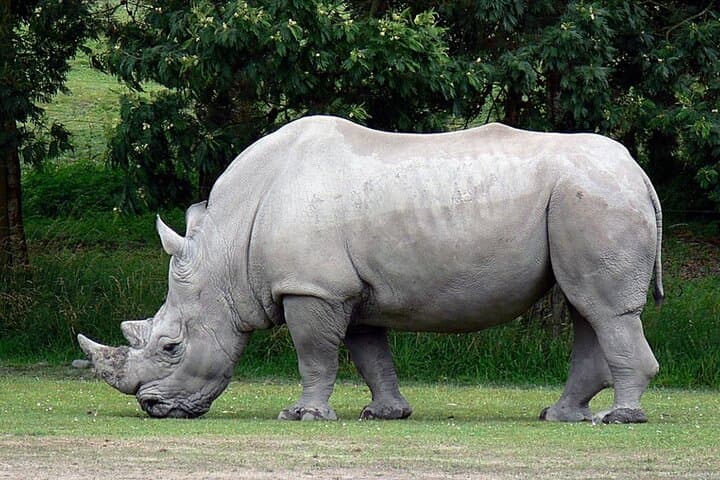

You arrive before dawn, Durban shrinking behind you and a wide scrub-scented air pressing through the minibus windows. As the road climbs into rolling hills, the scrub thins and the soundscape changes: birds, distant bellows, and the low susurrus of grasses moving on the wind. By mid-morning the park opens like a living atlas — ridges and river valleys reveal herds moving along game paths, and the landscape itself seems to steer the safari.
You arrive before dawn, Durban shrinking behind you and a wide scrub-scented air pressing through the minibus windows. As the road climbs into rolling hills, the scrub thins and the soundscape changes: birds, distant bellows, and the low susurrus of grasses moving on the wind. By mid-morning the park opens like a living atlas — ridges and river valleys reveal herds moving along game paths, and the landscape itself seems to steer the safari.
Hluhluwe–Imfolozi is Africa’s oldest proclaimed nature reserve, spanning roughly 960 km² of hilly topography in central KwaZulu-Natal. The hills are ancient, worn sandstone and coastal plain formations that funnel water into seasonal streams; that geomorphology creates the mix of open grassland and broken woodland that supports high densities of herbivores and their predators. The park’s conservation story includes a notable rhino-protection program that helped reverse poaching-driven declines in the 20th century.
Expect guided game drives from a shared vehicle: long stretches of seated observation punctuated by timed stops to scan for the Big Five — elephant, lion, buffalo, leopard and white rhino — plus giraffe, zebra and kudu. Interpretive guides will point out spoor, grazing patterns and cultural ties to local Zulu communities.
Practical: depart early from Durban, dress in muted layers, bring sunscreen, a hat, binoculars and a camera with a telephoto lens. Game viewing is weather-dependent; light at dawn and late afternoon is best. Keep water close, follow guide instructions, and plan for a full-day outing with minimal walking unless a specific walk is included.