THE ADVENTURE COLLECTIVE® · Independent discovery and booking for outdoor travel

Spend a day exploring the lower forests of Mount Meru from Tengeru Cultural Centre, ending at a cool waterfall. This accessible hike mixes forest trails, local culture, and wildlife viewing without the effort of a summit attempt.
Spend a day exploring the lower forests of Mount Meru from Tengeru Cultural Centre, ending at a cool waterfall. This accessible hike mixes forest trails, local culture, and wildlife viewing without the effort of a summit attempt.
Early light cuts through the lower slopes of Mount Meru as hikers step off the vehicle at Tengeru Cultural Centre. The trail begins in a cool, mossy forest where ferns drip and birds call; corridors of indigenous trees frame glimpses of the valley below and the distant silhouette of Mount Kilimanjaro on clear days.
Verified experiences and guided adventures in the surrounding area.
Operated by Africa Outland Tours · Arusha, Arusha Region
Early light cuts through the lower slopes of Mount Meru as hikers step off the vehicle at Tengeru Cultural Centre. The trail begins in a cool, mossy forest where ferns drip and birds call; corridors of indigenous trees frame glimpses of the valley below and the distant silhouette of Mount Kilimanjaro on clear days.
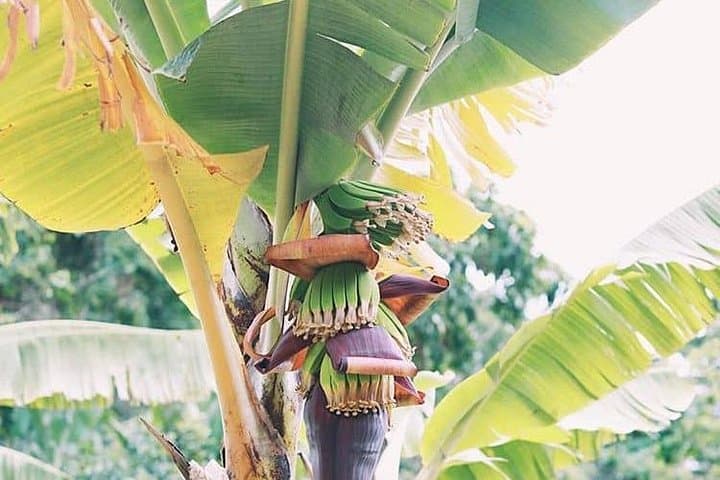
Geologically, Meru is a young stratovolcano whose rich volcanic soils support montane forest and a patchwork of small farms. Historically the slopes have supported Arusha and Meru communities and, more recently, coffee and banana terraces; walking here brings you close to local village life as much as to wilderness.
Expect shaded trails, occasional muddy sections after rain, and small cascades that feed the waterfall destination. Wildlife encounters are common at the forest edge—monkeys, forest birds, and active insect life—and the waterfall itself offers a cool, spray-dampened respite.
Practically, the route is a lower-forest day hike rather than a summit push: trails range from 3–8 hours on the mountain’s many day routes, but this itinerary is a roughly 6–7 hour outing with moderate, steady walking and short climbs. Wear grippy boots, bring 1–2 liters of water, sun protection, and a light rain layer. Start early to avoid the heat and to increase the chance of wildlife sightings; follow local guides, respect private farmland, and carry out any trash. The walk is rewarding for those who want a single-day forest immersion with cultural glimpses and a cooling waterfall finish.
moderate.
6–7 hours.
Suitable for people with regular walking fitness; expect steady uphill sections and uneven terrain.
This is a day-forest hike with steady walking and short climbs; you should be comfortable walking 6–10 km over uneven terrain for several hours.
Local guides are typically provided and recommended for navigation, cultural context, and wildlife spotting—follow their guidance for safety.
Expect forest birds and monkeys near the canopy; larger mammals are possible on the park edge but less common on day routes.
Lunch is included in this tour and restroom access is available at trailheads or nearby village facilities; facilities are basic so plan accordingly.
The slopes of Mount Meru have long been occupied by Meru and Maasai communities and later cultivated for coffee and bananas during colonial and post-colonial periods.
Mount Meru sits within Arusha National Park protections; visitors should stick to trails, avoid disturbing wildlife, and minimize plastic waste to reduce erosion and litter.
Africa Outland Tours operates guided outdoor trips and adventures with an emphasis on safety, stewardship, and memorable experiences.



Early light cuts through the lower slopes of Mount Meru as hikers step off the vehicle at Tengeru Cultural Centre. The trail begins in a cool, mossy forest where ferns drip and birds call; corridors of indigenous trees frame glimpses of the valley below and the distant silhouette of Mount Kilimanjaro on clear days.
Early light cuts through the lower slopes of Mount Meru as hikers step off the vehicle at Tengeru Cultural Centre. The trail begins in a cool, mossy forest where ferns drip and birds call; corridors of indigenous trees frame glimpses of the valley below and the distant silhouette of Mount Kilimanjaro on clear days.
Geologically, Meru is a young stratovolcano whose rich volcanic soils support montane forest and a patchwork of small farms. Historically the slopes have supported Arusha and Meru communities and, more recently, coffee and banana terraces; walking here brings you close to local village life as much as to wilderness.
Expect shaded trails, occasional muddy sections after rain, and small cascades that feed the waterfall destination. Wildlife encounters are common at the forest edge—monkeys, forest birds, and active insect life—and the waterfall itself offers a cool, spray-dampened respite.
Practically, the route is a lower-forest day hike rather than a summit push: trails range from 3–8 hours on the mountain’s many day routes, but this itinerary is a roughly 6–7 hour outing with moderate, steady walking and short climbs. Wear grippy boots, bring 1–2 liters of water, sun protection, and a light rain layer. Start early to avoid the heat and to increase the chance of wildlife sightings; follow local guides, respect private farmland, and carry out any trash. The walk is rewarding for those who want a single-day forest immersion with cultural glimpses and a cooling waterfall finish.