THE ADVENTURE COLLECTIVE® · Independent discovery and booking for outdoor travel

A six-hour hillwalk from Kathmandu to Kakani trades city noise for pine-scented trails and wide mountain vistas. This guided full-day hike mixes dirt tracks, short climbs, and viewpoint stops—ideal for hikers seeking a manageable day outing near the capital.
A six-hour hillwalk from Kathmandu to Kakani trades city noise for pine-scented trails and wide mountain vistas. This guided full-day hike mixes dirt tracks, short climbs, and viewpoint stops—ideal for hikers seeking a manageable day outing near the capital.
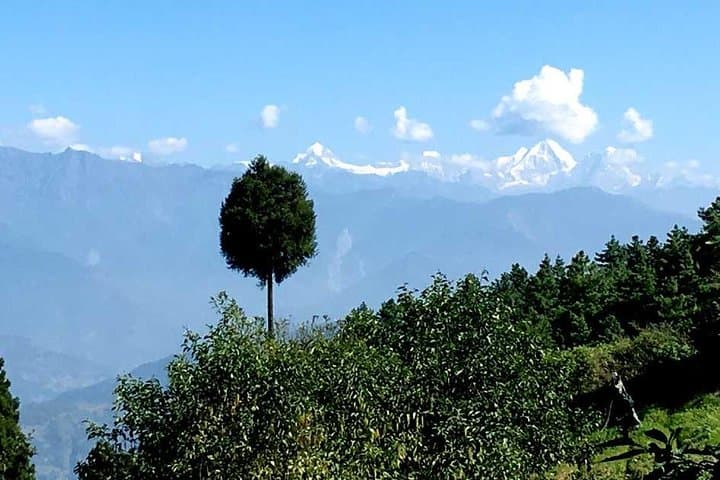
The trail begins with Kathmandu shrinking behind you and the road switching from congested city sprawl to a ribbon of hillside that climbs into open pine and terraced fields. By mid-morning the air sharpens; winds push at your jacket and the valley below seems to breathe. Trees lean into the trail, and every clearing offers a new angle on the Himalaya—Manaslu and Langtang can register as pale ridgelines on clearer days.
Verified experiences and guided adventures in the surrounding area.
Operated by Nepal Highpoint Trekking Private Limited. · Kakani, Bagmati Province
The trail begins with Kathmandu shrinking behind you and the road switching from congested city sprawl to a ribbon of hillside that climbs into open pine and terraced fields. By mid-morning the air sharpens; winds push at your jacket and the valley below seems to breathe. Trees lean into the trail, and every clearing offers a new angle on the Himalaya—Manaslu and Langtang can register as pale ridgelines on clearer days.
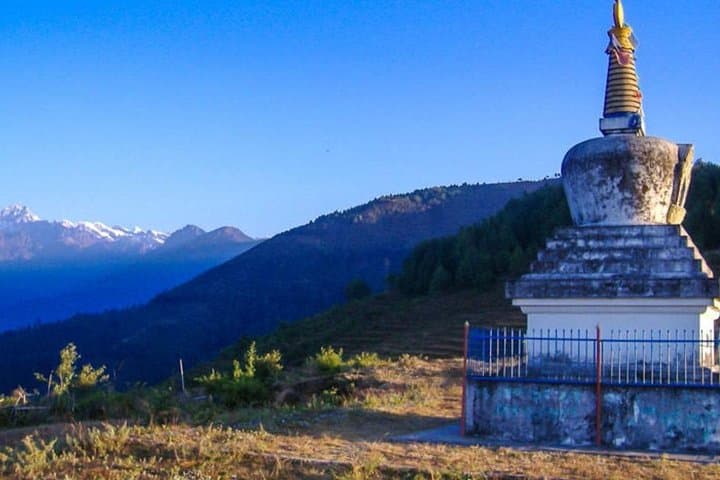
Kakani sits on a ridge historically used as a summer retreat and vantage point for pilgrims and traders moving between Kathmandu and the northern valleys. The geology is young and folded: steep slopes of weathered shale and sandstone cut by small gullies, shaped by monsoon run-off. Culturally, the area is a working hillscape—terraced farms, prayer flags on viewpoints, and small tea stalls where porters dry their hands.
Expect a mix of paved approach roads and single-track dirt trails with short steeper pitches; total distance for a typical full-day loop from Kathmandu is moderate and can include 400–700 m of cumulative elevation change depending on route choice. The guide’s role is practical—finding the best viewpoints and managing timing for return transport.
Practical guidance: start early to avoid afternoon clouds, carry layered clothing for wind and sun, bring 1.5–2 L of water and trekking shoes with good tread. If you want clearer mountain panoramas, plan for spring or late autumn mornings when visibility is typically best.
moderate.
6 hours.
Suitable for hikers with regular walking ability; expect several steady climbs and uneven terrain—basic stamina and balance required.
The full-day outing is typically 5–7 hours door-to-door including transport; on-trail time is commonly 3–5 hours depending on stops and route.
Yes—this is often rated moderate and suitable for people with basic fitness; guides can adjust pace and route to match group ability.
Clear mornings provide the best views of ranges like Langtang and Manaslu; visibility depends on season and weather, with spring and autumn usually the clearest.
For this day hike from Kathmandu to Kakani no special permits are typically required beyond local entry rules; your tour provider will advise if any fees apply.
Kakani developed as a seasonal retreat and military lookout; its ridge has long served as a natural observation point for routes north of Kathmandu.
Stick to established trails to reduce erosion on steep slopes; local guides often work with communities to promote waste-free day tours.
Nepal Highpoint Trekking Private Limited. operates guided outdoor trips and adventures with an emphasis on safety, stewardship, and memorable experiences.
The trail begins with Kathmandu shrinking behind you and the road switching from congested city sprawl to a ribbon of hillside that climbs into open pine and terraced fields. By mid-morning the air sharpens; winds push at your jacket and the valley below seems to breathe. Trees lean into the trail, and every clearing offers a new angle on the Himalaya—Manaslu and Langtang can register as pale ridgelines on clearer days.
The trail begins with Kathmandu shrinking behind you and the road switching from congested city sprawl to a ribbon of hillside that climbs into open pine and terraced fields. By mid-morning the air sharpens; winds push at your jacket and the valley below seems to breathe. Trees lean into the trail, and every clearing offers a new angle on the Himalaya—Manaslu and Langtang can register as pale ridgelines on clearer days.
Kakani sits on a ridge historically used as a summer retreat and vantage point for pilgrims and traders moving between Kathmandu and the northern valleys. The geology is young and folded: steep slopes of weathered shale and sandstone cut by small gullies, shaped by monsoon run-off. Culturally, the area is a working hillscape—terraced farms, prayer flags on viewpoints, and small tea stalls where porters dry their hands.
Expect a mix of paved approach roads and single-track dirt trails with short steeper pitches; total distance for a typical full-day loop from Kathmandu is moderate and can include 400–700 m of cumulative elevation change depending on route choice. The guide’s role is practical—finding the best viewpoints and managing timing for return transport.
Practical guidance: start early to avoid afternoon clouds, carry layered clothing for wind and sun, bring 1.5–2 L of water and trekking shoes with good tread. If you want clearer mountain panoramas, plan for spring or late autumn mornings when visibility is typically best.