THE ADVENTURE COLLECTIVE® · Independent discovery and booking for outdoor travel

A remote, full-day hike from Cusco that crosses Abra Tauca (≈4,400 m) to reach the Inca site of Huchuy Qosqo, followed by an organic early dinner at La Base de Lamay. Ideal for acclimatized hikers seeking quiet archaeology and high-Andean views.
A remote, full-day hike from Cusco that crosses Abra Tauca (≈4,400 m) to reach the Inca site of Huchuy Qosqo, followed by an organic early dinner at La Base de Lamay. Ideal for acclimatized hikers seeking quiet archaeology and high-Andean views.
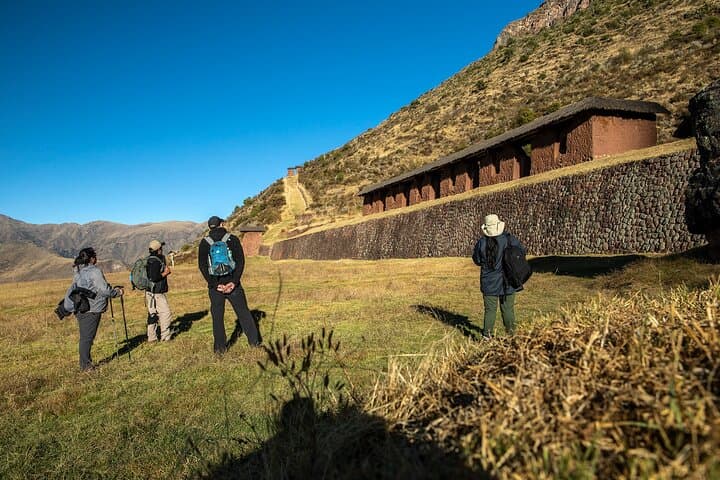
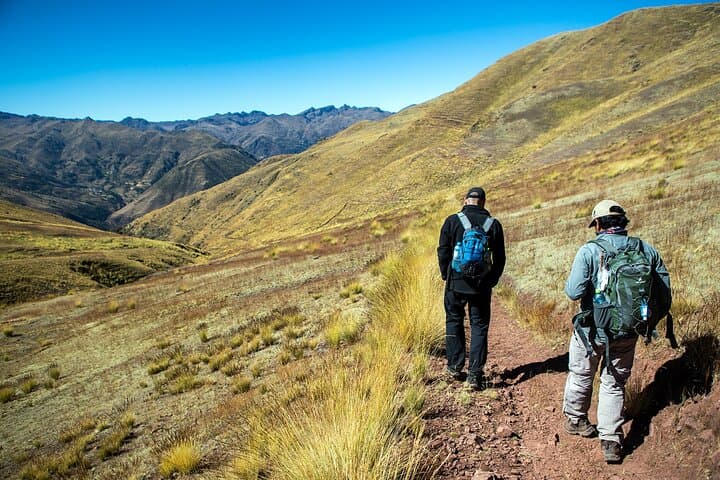
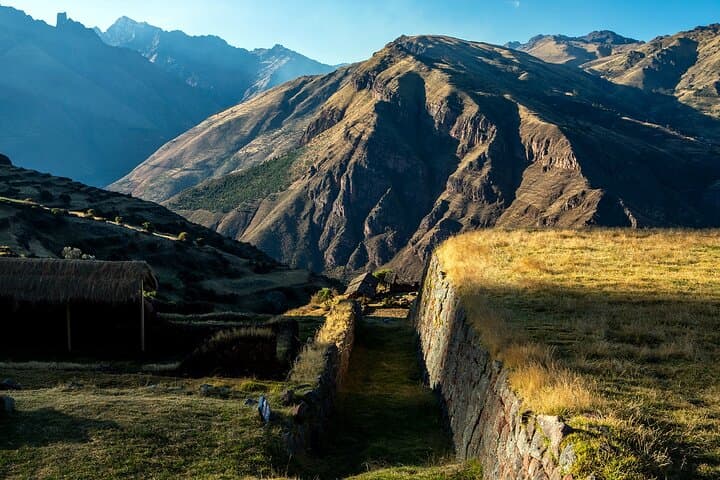
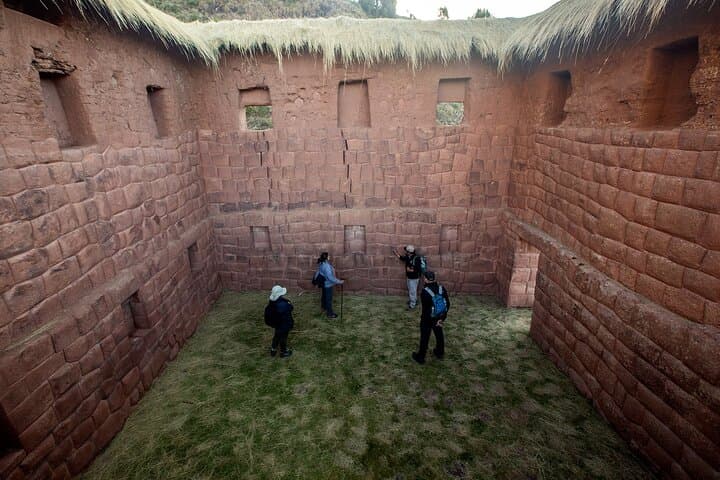
Before sunrise you slide out of Cusco into high, thinning air; the road eases past Piuray Lake and climbs to Abra Tauca. At 4,400 m the wind seems to test you, pushing at jackets and ankles alike, then the trail leans downhill and the valley opens. Huchuy Qosqo sits on a plateau above terraces, its clay-brick roofs and Inca-style masonry framed by the Vilcabamba range. The site rewards effort with wide views and quieter stones than the better-known ruins.
Verified experiences and guided adventures in the surrounding area.
Operated by Setours · Cusco, Cusco Region
Before sunrise you slide out of Cusco into high, thinning air; the road eases past Piuray Lake and climbs to Abra Tauca. At 4,400 m the wind seems to test you, pushing at jackets and ankles alike, then the trail leans downhill and the valley opens. Huchuy Qosqo sits on a plateau above terraces, its clay-brick roofs and Inca-style masonry framed by the Vilcabamba range. The site rewards effort with wide views and quieter stones than the better-known ruins.
Huchuy Qosqo is an example of high-Andean settlement planning: agricultural terraces, water channels and unusual clay-brick roofing that set it apart from Ollantaytambo or Pisac. Geologically the approach crosses volcanic and sedimentary soils sculpted by glacial action — the pass is rugged and exposed. Culturally the route runs through small farming communities; La Base de Lamay, where you’ll eat, showcases local, seasonal produce and community-made goods.
Practical notes: this is a full 8–9 hour day with a high-point near 4,400 m — acclimatization (two nights in Cusco minimum) matters more than pace. Trails are uneven with rocky switchbacks and one sustained descent to the archaeological site; waterproof footwear and layered clothing are essential. Start early to avoid afternoon weather and to have the ruins to yourself. Hydrate, eat small snacks during the climb, and leave time after the site to descend and enjoy an organic early dinner at La Base de Lamay before the return drive to Cusco.
challenging.
8–9 hours.
Good aerobic fitness and prior high-altitude experience; able to sustain moderate uphill and long descents.
Expect a full 8–9 hour day with sustained walking, a high pass near 4,400 m, and significant downhill sections; the pace is steady but altitude makes it feel harder.
Yes — travelers should spend at least two nights in Cusco beforehand and avoid intense activity upon arrival to reduce altitude risk.
Yes — an early organic meal at La Base de Lamay is included, featuring seasonal local ingredients and dishes typical of the Sacred Valley.
Not recommended for those with serious knee, back, or cardiovascular problems due to steep sections and high altitude; families should assess fitness and consult guides.
Huchuy Qosqo served as a highland administrative and agricultural center during the Inca period; its clay-brick roofing and terraces reflect local adaptations to high-elevation farming.
The route passes community lands — stick to trails, avoid disturbing archaeological features, and consider purchasing local products to support sustainable livelihoods.
Setours operates guided outdoor trips and adventures with an emphasis on safety, stewardship, and memorable experiences.
Before sunrise you slide out of Cusco into high, thinning air; the road eases past Piuray Lake and climbs to Abra Tauca. At 4,400 m the wind seems to test you, pushing at jackets and ankles alike, then the trail leans downhill and the valley opens. Huchuy Qosqo sits on a plateau above terraces, its clay-brick roofs and Inca-style masonry framed by the Vilcabamba range. The site rewards effort with wide views and quieter stones than the better-known ruins.
Before sunrise you slide out of Cusco into high, thinning air; the road eases past Piuray Lake and climbs to Abra Tauca. At 4,400 m the wind seems to test you, pushing at jackets and ankles alike, then the trail leans downhill and the valley opens. Huchuy Qosqo sits on a plateau above terraces, its clay-brick roofs and Inca-style masonry framed by the Vilcabamba range. The site rewards effort with wide views and quieter stones than the better-known ruins.
Huchuy Qosqo is an example of high-Andean settlement planning: agricultural terraces, water channels and unusual clay-brick roofing that set it apart from Ollantaytambo or Pisac. Geologically the approach crosses volcanic and sedimentary soils sculpted by glacial action — the pass is rugged and exposed. Culturally the route runs through small farming communities; La Base de Lamay, where you’ll eat, showcases local, seasonal produce and community-made goods.
Practical notes: this is a full 8–9 hour day with a high-point near 4,400 m — acclimatization (two nights in Cusco minimum) matters more than pace. Trails are uneven with rocky switchbacks and one sustained descent to the archaeological site; waterproof footwear and layered clothing are essential. Start early to avoid afternoon weather and to have the ruins to yourself. Hydrate, eat small snacks during the climb, and leave time after the site to descend and enjoy an organic early dinner at La Base de Lamay before the return drive to Cusco.