THE ADVENTURE COLLECTIVE® · Independent discovery and booking for outdoor travel

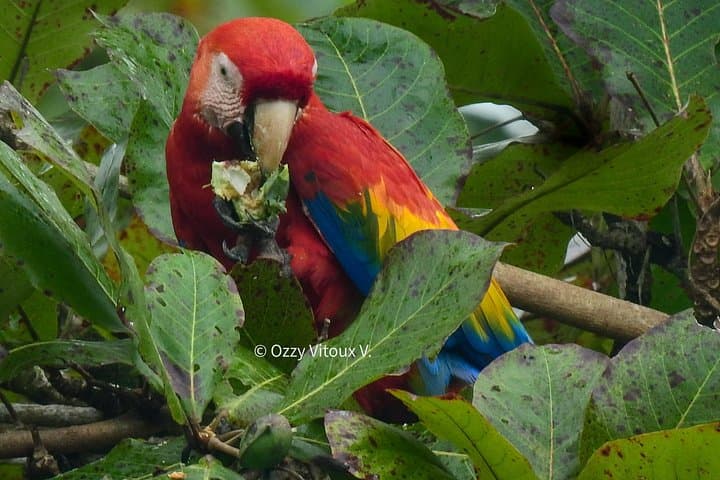
Spend a full day exploring Corcovado National Park’s famed biodiversity on the Osa Peninsula. This guided hike combines coastal boat access with rainforest trails and high odds of seeing scarlet macaws, tapir sign, and troops of monkeys.
Spend a full day exploring Corcovado National Park’s famed biodiversity on the Osa Peninsula. This guided hike combines coastal boat access with rainforest trails and high odds of seeing scarlet macaws, tapir sign, and troops of monkeys.
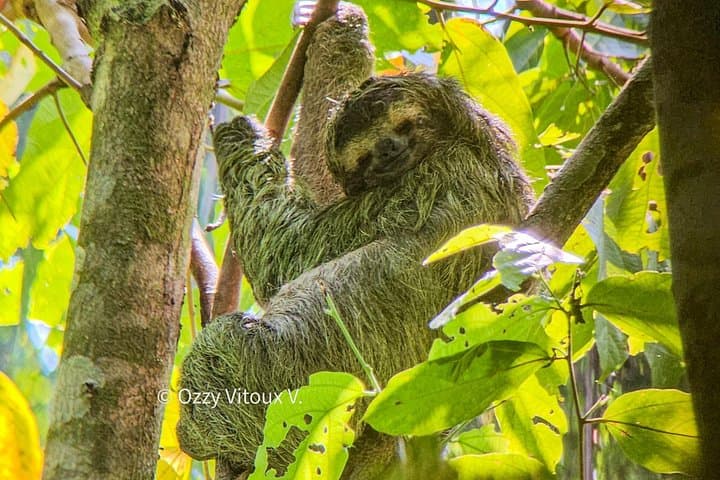
You step off the skiff and the rainforest meets you like an old, insistent friend: humid air, the steady insistence of leaves, and the laborious call of howler monkeys pushing inland. The trail climbs and levels through lowland tropical rainforest, where the ground can be slick with leaf litter and roots, and sunlight leaks in as thin, green ribbons.
Verified experiences and guided adventures in the surrounding area.
Operated by TravelsVitoux CR · Uvita, Puntarenas
You step off the skiff and the rainforest meets you like an old, insistent friend: humid air, the steady insistence of leaves, and the laborious call of howler monkeys pushing inland. The trail climbs and levels through lowland tropical rainforest, where the ground can be slick with leaf litter and roots, and sunlight leaks in as thin, green ribbons.
Corcovado sits on Costa Rica’s Osa Peninsula and was designated a national park in the 1970s to protect one of the world’s richest assemblages of life. Geologically recent volcanic soils and heavy Pacific rainfall support dense, layered forests and a shoreline shaped by erosive surf and coves. Local culture on the peninsula is small‑town and conservation-minded, with communities balancing fishing, eco‑tourism, and forest stewardship.
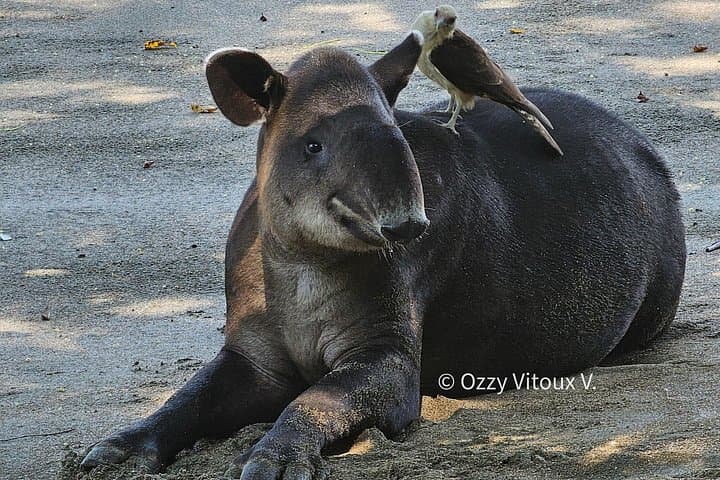
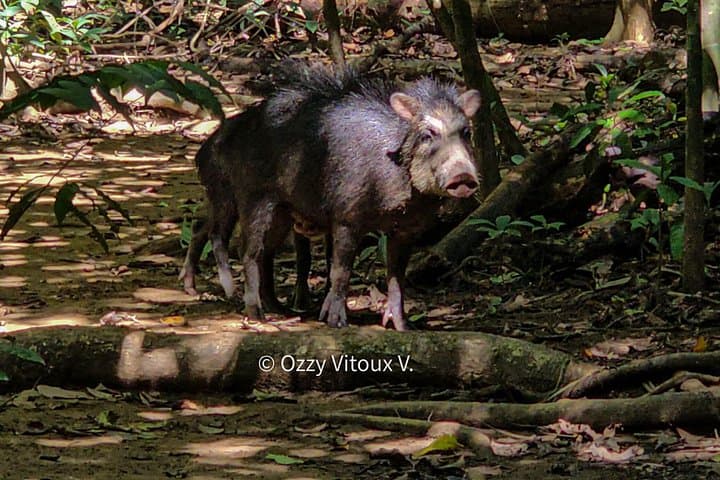
On a guided full‑day hike visitors move between established trails and river crossings, scanning for scarlet macaws wheeling above, Baird’s tapir sign on the trail, and peccary troops in the understory. Expect long stretches of singletrack, occasional muddy steps, and low elevation gain but sustained physical effort over eight hours.
Practical guidance: arrive early, travel light but bring 2–3 liters of water, rain protection, and sturdy, grippy footwear; the trail is best in the morning when wildlife is most active and rain is less likely. Follow your certified bilingual guide’s instructions for wildlife encounters and river crossings. Pack out waste, respect buffer zones around animals, and be prepared for unpredictable conditions — Corcovado rewards patience with high biodiversity and rare sightings.
moderate.
8 hours (full-day).
Expect continuous walking on uneven, sometimes muddy terrain; good cardiovascular fitness and stable balance are recommended.
This is a full‑day experience (about 8 hours including boat transfers). Trails are low elevation but can be physically demanding due to distance, heat, humidity and uneven footing—moderate fitness is recommended.
Common sightings include scarlet macaws, howler and spider monkeys, peccaries, and signs of Baird’s tapir; sightings of large cats are rare but possible.
Most full‑day hikes include briefing, boat transfer from the coastal embarkation point, certified guide, entrance fees, lunch, snacks, and water as listed in the tour inclusions.
Not recommended for travellers with serious heart or spinal conditions or for pregnant travelers. River crossings and slippery sections make stability important.
Corcovado was created in the 1970s to protect the unique biodiversity of the Osa Peninsula and has long been a focus of Costa Rican conservation efforts.
The park restricts visitor numbers and relies on guided access to minimize impact; stay on trails, pack out waste, and support local guides who fund protection work.
TravelsVitoux CR operates guided outdoor trips and adventures with an emphasis on safety, stewardship, and memorable experiences.
You step off the skiff and the rainforest meets you like an old, insistent friend: humid air, the steady insistence of leaves, and the laborious call of howler monkeys pushing inland. The trail climbs and levels through lowland tropical rainforest, where the ground can be slick with leaf litter and roots, and sunlight leaks in as thin, green ribbons.
You step off the skiff and the rainforest meets you like an old, insistent friend: humid air, the steady insistence of leaves, and the laborious call of howler monkeys pushing inland. The trail climbs and levels through lowland tropical rainforest, where the ground can be slick with leaf litter and roots, and sunlight leaks in as thin, green ribbons.
Corcovado sits on Costa Rica’s Osa Peninsula and was designated a national park in the 1970s to protect one of the world’s richest assemblages of life. Geologically recent volcanic soils and heavy Pacific rainfall support dense, layered forests and a shoreline shaped by erosive surf and coves. Local culture on the peninsula is small‑town and conservation-minded, with communities balancing fishing, eco‑tourism, and forest stewardship.
On a guided full‑day hike visitors move between established trails and river crossings, scanning for scarlet macaws wheeling above, Baird’s tapir sign on the trail, and peccary troops in the understory. Expect long stretches of singletrack, occasional muddy steps, and low elevation gain but sustained physical effort over eight hours.
Practical guidance: arrive early, travel light but bring 2–3 liters of water, rain protection, and sturdy, grippy footwear; the trail is best in the morning when wildlife is most active and rain is less likely. Follow your certified bilingual guide’s instructions for wildlife encounters and river crossings. Pack out waste, respect buffer zones around animals, and be prepared for unpredictable conditions — Corcovado rewards patience with high biodiversity and rare sightings.