THE ADVENTURE COLLECTIVE® · Independent discovery and booking for outdoor travel

Walk an iconic Ming-era section of the Great Wall where restored ramparts meet raw, unrestored stone. This full-day guided hike from Beijing blends dramatic views, military history, and a hands-on route for photographers and hikers.
Walk an iconic Ming-era section of the Great Wall where restored ramparts meet raw, unrestored stone. This full-day guided hike from Beijing blends dramatic views, military history, and a hands-on route for photographers and hikers.
You step onto stone that remembers armies: wind cuts across the ridgeline and the Great Wall runs ahead like a low, jagged spine. At Jinshanling the route alternates between fully restored battlements and rough, exposed stretches that demand attention — towers rise at regular intervals and the views open to rolling hills and terraced farmland.
Verified experiences and guided adventures in the surrounding area.
Operated by Beijing Mutianyu Great Wall Tours - Day Tour · Ruanping, Hebei
You step onto stone that remembers armies: wind cuts across the ridgeline and the Great Wall runs ahead like a low, jagged spine. At Jinshanling the route alternates between fully restored battlements and rough, exposed stretches that demand attention — towers rise at regular intervals and the views open to rolling hills and terraced farmland.
Built and rebuilt during the Ming dynasty, Jinshanling’s 10.5 km of wall contains about 67 towers and three beacon towers; its mix of original and restored masonry gives a clear picture of Great Wall construction and military strategy. Geologically the ridge follows weathered, low-lying mountains of Hebei; erosion and freeze-thaw cycles explain the crumbling, uneven steps that define the unrestored sections. Nearby villages preserve northern Chinese rural life; morning market smells and simple noodle stalls are part of the cultural backdrop.
In practice, this is a full-day hike best suited to anyone comfortable on uneven terrain for several hours. Expect 5–8 miles of walking depending on the route, frequent staircases, and some steep ascents between towers. Plan for early departure, bring layered clothing against sudden wind and sun, and carry at least 1.5–2 liters of water. Footwear with good traction and ankle support matters — the wall’s old stone is slick when wet and irregular underfoot.
Tours commonly include hotel pickup in Beijing, bottled water, and a guide; check whether entrance fees and transportation are included. Time your visit for shoulder seasons to avoid peak summer heat and winter ice if you prefer easier footing.
moderate.
6–8 hours.
Comfortable aerobic base and steadiness on uneven terrain; stair-climbing ability required
Most organized hikes include hotel pickup; independent travelers can book a bus or private car to Luanping/Ruanping area—expect about 2–3 hours by road depending on traffic.
Children with good mobility can do parts of the wall; seniors or anyone with joint/spinal issues should avoid steep, unrestored sections—choose shorter, restored stretches instead.
Basic facilities are available at the main access points and parking areas; bring snacks and cash because options on the wall are minimal.
Entrance fees apply for Great Wall sections; many operators include admission in the tour price but confirm before booking.
Jinshanling largely dates to Ming-era fortifications; its combination of restored and original sections preserves construction details and defensive tower designs.
This section is under active restoration and visitor management; stay on established paths, avoid touching fragile masonry, and pack out trash to minimize impact.
Beijing Mutianyu Great Wall Tours - Day Tour operates guided outdoor trips and adventures with an emphasis on safety, stewardship, and memorable experiences.


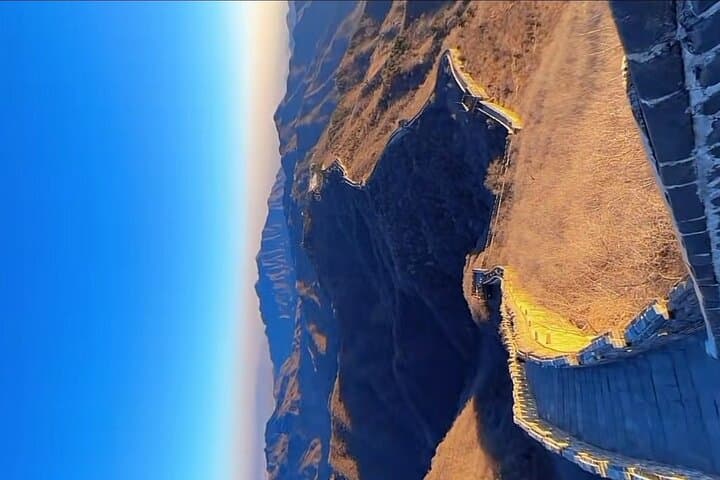
You step onto stone that remembers armies: wind cuts across the ridgeline and the Great Wall runs ahead like a low, jagged spine. At Jinshanling the route alternates between fully restored battlements and rough, exposed stretches that demand attention — towers rise at regular intervals and the views open to rolling hills and terraced farmland.
You step onto stone that remembers armies: wind cuts across the ridgeline and the Great Wall runs ahead like a low, jagged spine. At Jinshanling the route alternates between fully restored battlements and rough, exposed stretches that demand attention — towers rise at regular intervals and the views open to rolling hills and terraced farmland.
Built and rebuilt during the Ming dynasty, Jinshanling’s 10.5 km of wall contains about 67 towers and three beacon towers; its mix of original and restored masonry gives a clear picture of Great Wall construction and military strategy. Geologically the ridge follows weathered, low-lying mountains of Hebei; erosion and freeze-thaw cycles explain the crumbling, uneven steps that define the unrestored sections. Nearby villages preserve northern Chinese rural life; morning market smells and simple noodle stalls are part of the cultural backdrop.
In practice, this is a full-day hike best suited to anyone comfortable on uneven terrain for several hours. Expect 5–8 miles of walking depending on the route, frequent staircases, and some steep ascents between towers. Plan for early departure, bring layered clothing against sudden wind and sun, and carry at least 1.5–2 liters of water. Footwear with good traction and ankle support matters — the wall’s old stone is slick when wet and irregular underfoot.
Tours commonly include hotel pickup in Beijing, bottled water, and a guide; check whether entrance fees and transportation are included. Time your visit for shoulder seasons to avoid peak summer heat and winter ice if you prefer easier footing.