THE ADVENTURE COLLECTIVE® · Independent discovery and booking for outdoor travel

A full-day private tour from Jerusalem that pairs the ancient landmarks of Hebron with contemporary local perspectives. Expect guided visits to the Tomb of the Patriarchs, Tel Rumeida, market alleyways, and a home-cooked Palestinian lunch.
A full-day private tour from Jerusalem that pairs the ancient landmarks of Hebron with contemporary local perspectives. Expect guided visits to the Tomb of the Patriarchs, Tel Rumeida, market alleyways, and a home-cooked Palestinian lunch.
You step out of the air-conditioned van onto a narrow lane of sun-warmed limestone; voices drift from a market, and the scent of spices and simmering olive oil anchors the place in the present.
Verified experiences and guided adventures in the surrounding area.
Operated by taxiGo Limo Airport Service · Hebron, West Bank
You step out of the air-conditioned van onto a narrow lane of sun-warmed limestone; voices drift from a market, and the scent of spices and simmering olive oil anchors the place in the present.
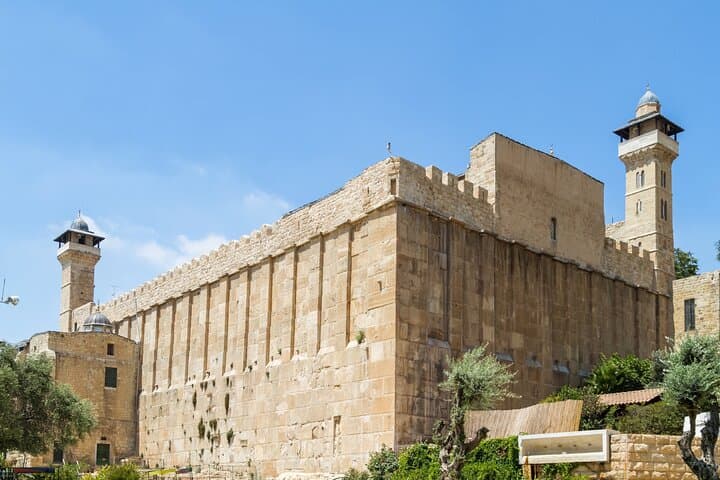
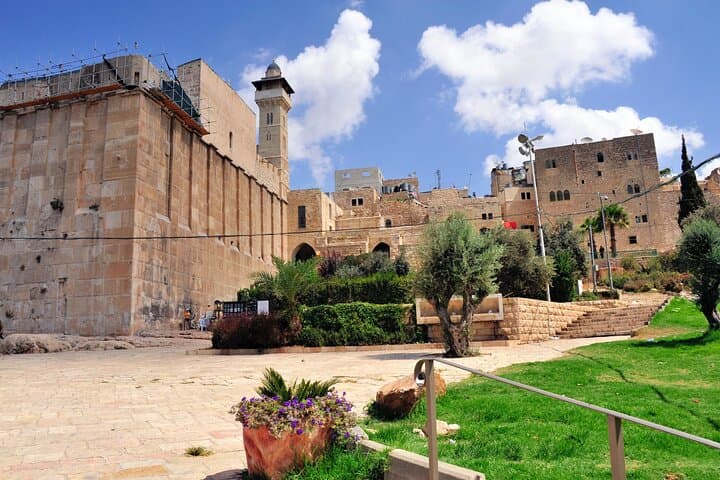
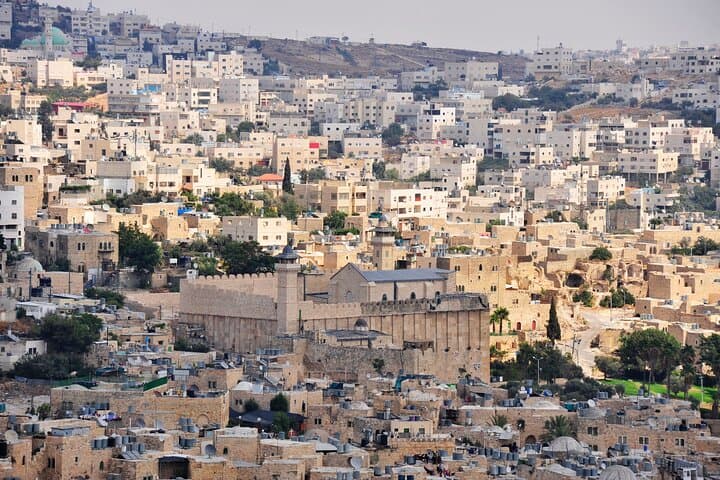
Hebron's streets have been lived in for millennia. The city's centre holds the Cave (and Mosque) of the Patriarchs, a layered reliquary of Jewish and Islamic history where biblical purchase and burial traditions intersect with Ottoman and Mamluk stonework. Tel Rumeida rises nearby—an archaeological hill that records domestic life across eras. Modern Hebron is divided administratively and socially between Palestinian neighborhoods and the Israeli-controlled H2 sector; a guided visit presents both perspectives and the textures of everyday life here.
You will walk uneven cobbles, climb short flights of stairs, and thread through market alleys where small shops sell glassware, textiles, and local sweets. A highlight is lunch in a Palestinian home—a direct cultural exchange that adds context to the city's contested narrative.
Practical guidance: expect about 2–3 miles (3–5 km) of on-foot exploration across the day with frequent stops; wear sturdy, closed-toe shoes and modest clothing. Carry ID, some cash for small purchases, and a bottle of water. Photography rules vary—follow your guide’s instructions and respect private spaces. Start early to avoid afternoon heat and give yourself time to absorb both the archaeology and the living city.
easy.
9 hours.
Light fitness; able to walk 2–3 miles (3–5 km) over uneven cobbles and climb stairs intermittently.
Yes—private air-conditioned pickup and drop-off at central Jerusalem locations or hotels is included.
Yes—guided visits include the Tomb/Mosque complex; entry may have separate sections for different faiths and specific dress rules.
Many travelers visit with guides; the itinerary navigates established routes and controlled areas, but follow your guide’s instructions on movement and photography.
Lunch is included and typically served in a Palestinian family's home, offering a home-cooked experience and cultural exchange.
Hebron is one of the Levant's oldest continuously inhabited cities and a holy site for Judaism and Islam; biblical tradition records Abraham purchasing the burial cave from Ephron the Hittite.
Tourism here impacts tight-knit communities—prioritize locally provided meals and guides, avoid littering, and respect private property and signage to reduce strain on heritage sites.
taxiGo Limo Airport Service operates guided outdoor trips and adventures with an emphasis on safety, stewardship, and memorable experiences.

You step out of the air-conditioned van onto a narrow lane of sun-warmed limestone; voices drift from a market, and the scent of spices and simmering olive oil anchors the place in the present.
You step out of the air-conditioned van onto a narrow lane of sun-warmed limestone; voices drift from a market, and the scent of spices and simmering olive oil anchors the place in the present.
Hebron's streets have been lived in for millennia. The city's centre holds the Cave (and Mosque) of the Patriarchs, a layered reliquary of Jewish and Islamic history where biblical purchase and burial traditions intersect with Ottoman and Mamluk stonework. Tel Rumeida rises nearby—an archaeological hill that records domestic life across eras. Modern Hebron is divided administratively and socially between Palestinian neighborhoods and the Israeli-controlled H2 sector; a guided visit presents both perspectives and the textures of everyday life here.
You will walk uneven cobbles, climb short flights of stairs, and thread through market alleys where small shops sell glassware, textiles, and local sweets. A highlight is lunch in a Palestinian home—a direct cultural exchange that adds context to the city's contested narrative.
Practical guidance: expect about 2–3 miles (3–5 km) of on-foot exploration across the day with frequent stops; wear sturdy, closed-toe shoes and modest clothing. Carry ID, some cash for small purchases, and a bottle of water. Photography rules vary—follow your guide’s instructions and respect private spaces. Start early to avoid afternoon heat and give yourself time to absorb both the archaeology and the living city.