THE ADVENTURE COLLECTIVE® · Independent discovery and booking for outdoor travel

Spend a day tracing Hakone’s volcanic drama and cultural touchstones by public train and local transit. Steam vents, a lakeside torii, and outdoor sculptures make for a compact, accessible immersion in nature, art and history.
Spend a day tracing Hakone’s volcanic drama and cultural touchstones by public train and local transit. Steam vents, a lakeside torii, and outdoor sculptures make for a compact, accessible immersion in nature, art and history.
You step off the train and the air changes — cooler, mineral-laced, smelling faintly of sulfur and pine. Your guide gestures toward the low rim of the caldera as the Limited Express winds through tunnels and ridgelines, and the day snaps into focus: a full circuit of Hakone’s geological theater — Owakudani’s steam vents, the quiet mirror of Lake Ashinoko, a vermilion torii leaning into water at Hakone Shrine, and sculptures set among cedar groves at the Hakone Open-Air Museum.
Verified experiences and guided adventures in the surrounding area.
Operated by Fulfilling Inc. · Hakone, Kanagawa
You step off the train and the air changes — cooler, mineral-laced, smelling faintly of sulfur and pine. Your guide gestures toward the low rim of the caldera as the Limited Express winds through tunnels and ridgelines, and the day snaps into focus: a full circuit of Hakone’s geological theater — Owakudani’s steam vents, the quiet mirror of Lake Ashinoko, a vermilion torii leaning into water at Hakone Shrine, and sculptures set among cedar groves at the Hakone Open-Air Museum.
Hakone reads like a layered field guide. The valley you visit was reshaped about 3,000 years ago when a volcanic eruption rerouted rivers and dammed flows to create Lake Ashi. Owakudani is an audible reminder — fumaroles hiss, and gusts carry the smell of sulphur, evidence of an active geothermal system. Hakone Shrine, founded in 757, sits on the lake’s shore and has long been regarded as a spiritual power spot; its lakeside torii frames Mount Fuji on clear days and has guided pilgrims for centuries.
The Open-Air Museum makes a useful counterpoint: modern and classical sculptures positioned to play with light, seasonal foliage and sweeping views. Here a bronze torso catches the sun, there a European modernist seems to converse with a Japanese maple. The museum’s footbath is practical and ceremonial at once — soak your feet after a day on public transit and trails.
This private, guide-led itinerary uses Japan’s public-transport network as its vehicle. Guides meet in a Tokyo hotel lobby, then move by bullet train or Odakyu’s Romance Car, making the route efficient and low-impact. The logistics lean toward convenience: admission for sites is typically separate, and the guide coordinates transit but not every ticket. Owakudani closures happen when sulfur emissions spike; flexibility is part of the day.
Practical advice: arrive rested, carry a refillable water bottle, and dress in layers — the microclimates between lake level and the volcanic valley can change quickly. Bring cash for local vendors and small transport fares, and a camera with a mid-range zoom for both wide lakescapes and intimate sculpture details. If you hold a JR Rail Pass, this itinerary is especially economical; ask the operator about Romance Car reservations.
Expect about 10 hours of sightseeing with comfortable pacing, plenty of stops, and accessible sections suitable for most fitness levels. The trip balances geology, history and contemporary culture — a compact immersion in why Hakone remains one of Japan’s most compelling day-trip landscapes.
easy.
10 hours.
Suitable for most fitness levels; gentle walking and short stairs around sites.
No — admissions are typically not included; the guide handles transit and orientation but tickets are purchased separately unless stated otherwise.
No — Owakudani can close temporarily for safety when sulfur emissions increase; guides will adjust the itinerary if closures occur.
Yes — the tour is stroller accessible for short distances, though some sites have steps; note mobility needs when booking pickup.
Yes — the route is designed to make good use of Japan’s rail network and is recommended for JR Pass holders.
Walking is moderate: paved paths, shrine approaches and museum grounds, with minimal steep hiking; suitable for most fitness levels.
Tipping is not customary in Japan; a simple thank-you or small gift is appreciated but not expected.
Hakone’s landscape was drastically reshaped by volcanic activity roughly 3,000 years ago; Hakone Shrine itself dates to 757 and served travelers and pilgrims crossing the ancient Tokaido route.
Owakudani and Hakone’s trails are managed to minimize human impact; visitors should stay on paths, avoid littering and respect closures designed to protect geothermal features.
Fulfilling Inc. operates guided outdoor trips and adventures with an emphasis on safety, stewardship, and memorable experiences.
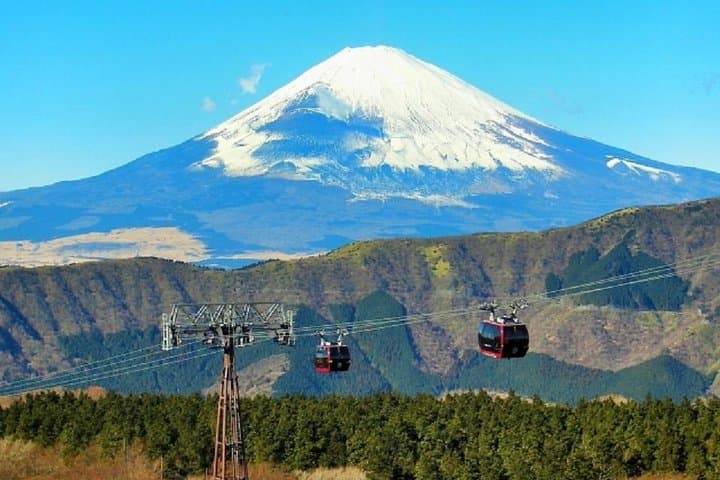
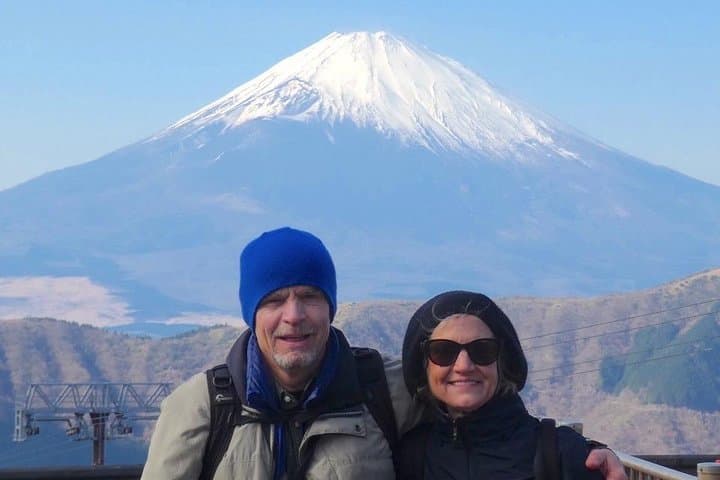
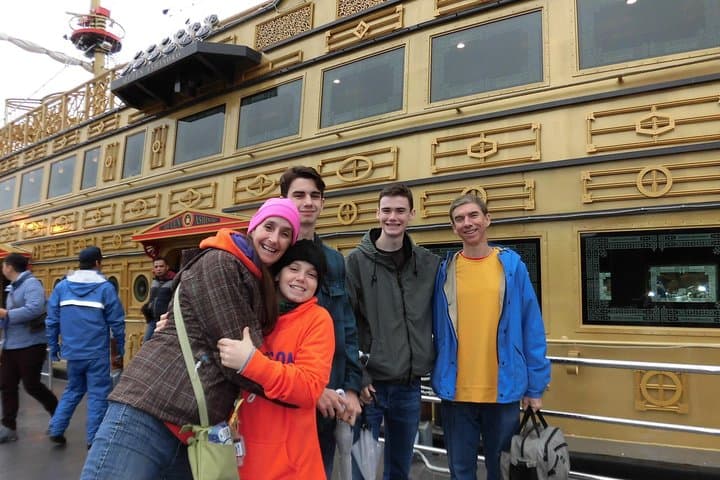
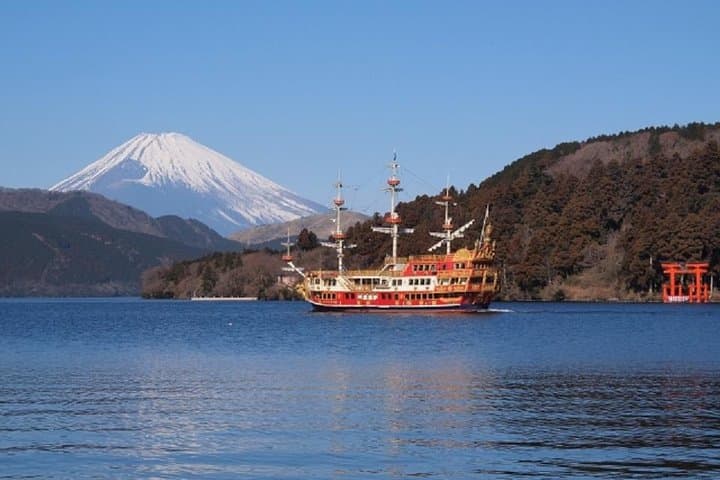
You step off the train and the air changes — cooler, mineral-laced, smelling faintly of sulfur and pine. Your guide gestures toward the low rim of the caldera as the Limited Express winds through tunnels and ridgelines, and the day snaps into focus: a full circuit of Hakone’s geological theater — Owakudani’s steam vents, the quiet mirror of Lake Ashinoko, a vermilion torii leaning into water at Hakone Shrine, and sculptures set among cedar groves at the Hakone Open-Air Museum.
You step off the train and the air changes — cooler, mineral-laced, smelling faintly of sulfur and pine. Your guide gestures toward the low rim of the caldera as the Limited Express winds through tunnels and ridgelines, and the day snaps into focus: a full circuit of Hakone’s geological theater — Owakudani’s steam vents, the quiet mirror of Lake Ashinoko, a vermilion torii leaning into water at Hakone Shrine, and sculptures set among cedar groves at the Hakone Open-Air Museum.
Hakone reads like a layered field guide. The valley you visit was reshaped about 3,000 years ago when a volcanic eruption rerouted rivers and dammed flows to create Lake Ashi. Owakudani is an audible reminder — fumaroles hiss, and gusts carry the smell of sulphur, evidence of an active geothermal system. Hakone Shrine, founded in 757, sits on the lake’s shore and has long been regarded as a spiritual power spot; its lakeside torii frames Mount Fuji on clear days and has guided pilgrims for centuries.
The Open-Air Museum makes a useful counterpoint: modern and classical sculptures positioned to play with light, seasonal foliage and sweeping views. Here a bronze torso catches the sun, there a European modernist seems to converse with a Japanese maple. The museum’s footbath is practical and ceremonial at once — soak your feet after a day on public transit and trails.
This private, guide-led itinerary uses Japan’s public-transport network as its vehicle. Guides meet in a Tokyo hotel lobby, then move by bullet train or Odakyu’s Romance Car, making the route efficient and low-impact. The logistics lean toward convenience: admission for sites is typically separate, and the guide coordinates transit but not every ticket. Owakudani closures happen when sulfur emissions spike; flexibility is part of the day.
Practical advice: arrive rested, carry a refillable water bottle, and dress in layers — the microclimates between lake level and the volcanic valley can change quickly. Bring cash for local vendors and small transport fares, and a camera with a mid-range zoom for both wide lakescapes and intimate sculpture details. If you hold a JR Rail Pass, this itinerary is especially economical; ask the operator about Romance Car reservations.
Expect about 10 hours of sightseeing with comfortable pacing, plenty of stops, and accessible sections suitable for most fitness levels. The trip balances geology, history and contemporary culture — a compact immersion in why Hakone remains one of Japan’s most compelling day-trip landscapes.