THE ADVENTURE COLLECTIVE® · Independent discovery and booking for outdoor travel

A private, full-day drive that stitches together Mount Fuji viewpoints, Hakone’s volcanic scenery, and cultural stops like Chureito Pagoda and Oshino Hakkai. Ideal for travelers who want dramatic views and curated stops with minimal walking between highlights.
A private, full-day drive that stitches together Mount Fuji viewpoints, Hakone’s volcanic scenery, and cultural stops like Chureito Pagoda and Oshino Hakkai. Ideal for travelers who want dramatic views and curated stops with minimal walking between highlights.
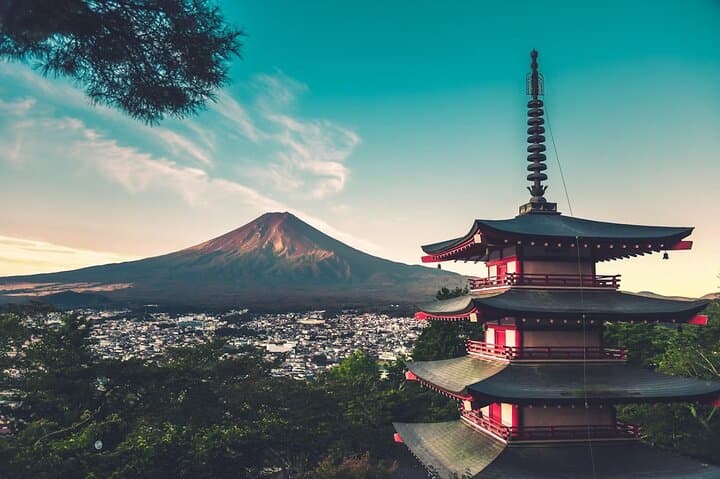
You climb into a private car as morning light slices across the lowlands; Mount Fuji sits high and still, a pale monolith that seems to breathe with the weather. The drive threads cedar forests and mirror lakes, and each stop rearranges the view — a five-story pagoda framed against the peak, steam hissing from a volcanic valley, a slow boat cutting silver on Kawaguchiko.
Verified experiences and guided adventures in the surrounding area.
Operated by Kings Japan traveling · Hakone, Kanagawa Prefecture
You climb into a private car as morning light slices across the lowlands; Mount Fuji sits high and still, a pale monolith that seems to breathe with the weather. The drive threads cedar forests and mirror lakes, and each stop rearranges the view — a five-story pagoda framed against the peak, steam hissing from a volcanic valley, a slow boat cutting silver on Kawaguchiko.
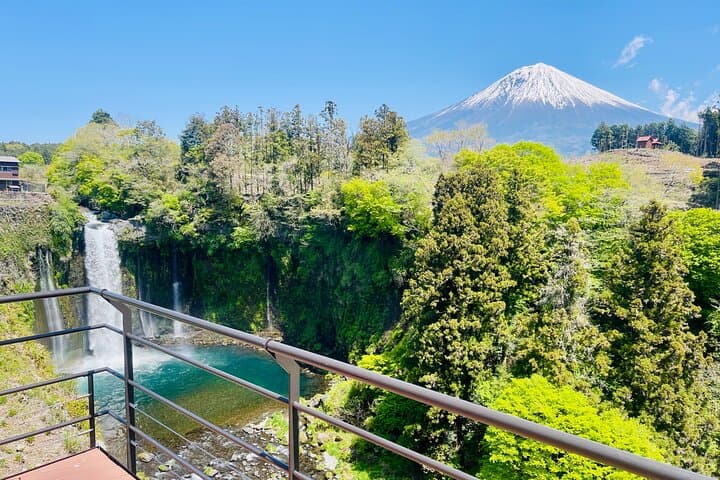
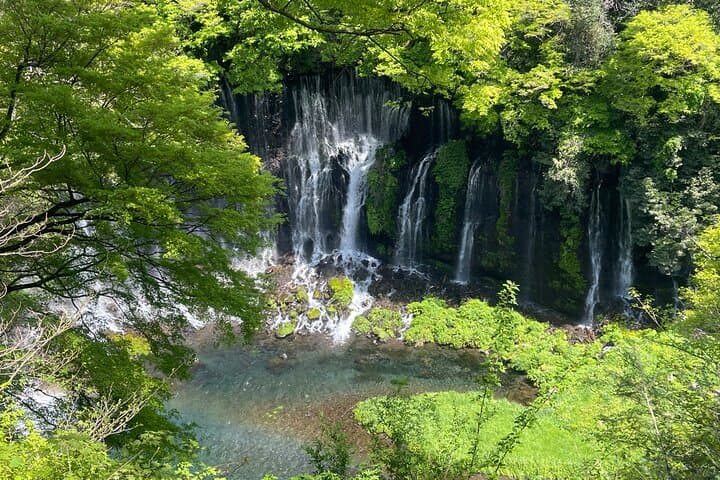
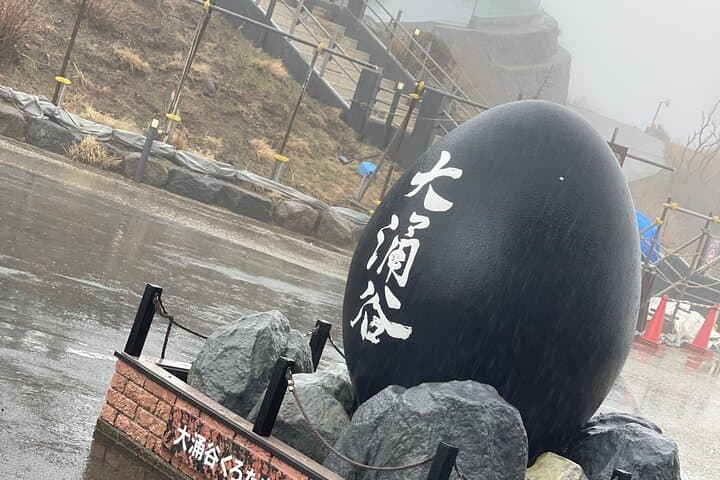
This route pairs cultural landmarks and volcanic geology. Chureito Pagoda and Kitaguchi Shrine speak to centuries of pilgrimage and Shinto reverence for Fuji, while Owakudani reveals Hakone’s volcanic heart — fumaroles and sulfur-smelling steam that remind you the landscape is active. Oshino Hakkai’s spring ponds are fed by ancient meltwater filtered through volcanic rock, and Shiraito Falls spills in delicate threads across a forested cliff.
Practical rhythm: expect a full, roughly 10-hour private tour with short walks, a speedboat ride on Lake Kawaguchiko, and stops at the Mt. Fuji 5th Station (about 2,300 m) and Hakone’s lakeside shrines. Be prepared for stairs (Chureito is ~400 steps), sudden weather changes, and occasional ropeway or valley closures for safety. Bring layered clothing, waterproof shoes for slippery paths, and spare batteries for long photo stops. Private transport means a flexible schedule and shorter transfers, but popular vantage points are best early or late in the day when visibility improves and buses thin out.
This is a day designed for photographers, culturally curious travelers, and anyone who wants a compact, low-effort immersion into the mountain’s landscape and the volcanic landscapes that surround it.
easy.
10 hours.
Light activity with intermittent walking and stair climbs; suitable for travelers who can manage short hikes and steps.
The tour runs about 10 hours and typically visits Shiraito Falls, Kitaguchi Shrine, Mount Fuji 5th Station, Oshino Hakkai, Chureito Pagoda, Lake Kawaguchiko (with an optional speedboat), and Hakone highlights like Hakone Shrine and Owakudani.
Yes — infant seats are available and infants must sit on laps; notify the operator when booking to reserve a seat and equipment.
Visibility depends on weather; mornings and clear winter days offer the best chances, but the guide will adjust stops and timing to maximize views.
Admissions vary; this tour’s description lists included transport and a speedboat ride on Kawaguchiko, but check the operator’s itinerary for any optional paid activities or temporary closures.
Hakone grew as a post town on the historic Tokaido and as a strategic mountain pass; Mount Fuji has long been a sacred peak in Shinto and Buddhist practice, memorialized at shrines like Kitaguchi.
The region balances heavy tourism with active conservation: stay on paths, avoid single-use plastics, and heed closures in volcanic zones to protect fragile ecosystems and visitor safety.
Kings Japan traveling operates guided outdoor trips and adventures with an emphasis on safety, stewardship, and memorable experiences.
You climb into a private car as morning light slices across the lowlands; Mount Fuji sits high and still, a pale monolith that seems to breathe with the weather. The drive threads cedar forests and mirror lakes, and each stop rearranges the view — a five-story pagoda framed against the peak, steam hissing from a volcanic valley, a slow boat cutting silver on Kawaguchiko.
You climb into a private car as morning light slices across the lowlands; Mount Fuji sits high and still, a pale monolith that seems to breathe with the weather. The drive threads cedar forests and mirror lakes, and each stop rearranges the view — a five-story pagoda framed against the peak, steam hissing from a volcanic valley, a slow boat cutting silver on Kawaguchiko.
This route pairs cultural landmarks and volcanic geology. Chureito Pagoda and Kitaguchi Shrine speak to centuries of pilgrimage and Shinto reverence for Fuji, while Owakudani reveals Hakone’s volcanic heart — fumaroles and sulfur-smelling steam that remind you the landscape is active. Oshino Hakkai’s spring ponds are fed by ancient meltwater filtered through volcanic rock, and Shiraito Falls spills in delicate threads across a forested cliff.
Practical rhythm: expect a full, roughly 10-hour private tour with short walks, a speedboat ride on Lake Kawaguchiko, and stops at the Mt. Fuji 5th Station (about 2,300 m) and Hakone’s lakeside shrines. Be prepared for stairs (Chureito is ~400 steps), sudden weather changes, and occasional ropeway or valley closures for safety. Bring layered clothing, waterproof shoes for slippery paths, and spare batteries for long photo stops. Private transport means a flexible schedule and shorter transfers, but popular vantage points are best early or late in the day when visibility improves and buses thin out.
This is a day designed for photographers, culturally curious travelers, and anyone who wants a compact, low-effort immersion into the mountain’s landscape and the volcanic landscapes that surround it.