THE ADVENTURE COLLECTIVE® · Independent discovery and booking for outdoor travel

Walk a Roman frontier in a single day: from the Whin Sill’s ridgeline to two of Britain’s best-preserved forts, this guided tour combines archaeology, landscape, and practical history. Perfect for history-minded hikers ready for a full day on uneven terrain.
Walk a Roman frontier in a single day: from the Whin Sill’s ridgeline to two of Britain’s best-preserved forts, this guided tour combines archaeology, landscape, and practical history. Perfect for history-minded hikers ready for a full day on uneven terrain.
You begin on a wind-scoured ridge where stone and sky argue over the horizon—Hadrian’s Wall runs like an old scar across Northumberland, and walking it for a day feels like moving through layered time.
Verified experiences and guided adventures in the surrounding area.
Operated by Ancient Britain · Hexham, Northumberland
You begin on a wind-scoured ridge where stone and sky argue over the horizon—Hadrian’s Wall runs like an old scar across Northumberland, and walking it for a day feels like moving through layered time.
Start along the Whin Sill, a hard dolerite band that forces the land up and gives the Wall its dramatic line. Roman camps—Housesteads and Vindolanda—appear as earthworks and museum displays, each site offering a different angle: Housesteads’ strategic view, Vindolanda’s domestic finds. Your guide will narrate both Roman and native perspectives, turning masonry and turf into stories about frontier life, logistics, and cultural exchange.
Geology shapes everything here: the Whin Sill created vantage points; valleys and burn crossings determined troop movement. Locally, farming shaped the landscape after the Romans left, and small villages still hold the dialect and hospitality of the Northumbrian Borders.
Practical guide: the tour is a full 7-hour day with several moderate walks between forts; expect uneven stone, short steep sections and exposed ridgelines. Wear sturdy boots with good tread, bring layered waterproofs for sudden weather swings, and pack water and a substantial lunch—museum cafés can be limited. Transport between sites isn’t included; if you aren’t driving, arrange taxis or confirm pickup details with the operator. Photography is excellent in low light—arrive with a charged battery and a small tripod if you want landscape shots. Finally, respect fragile archaeology: stay on marked routes and follow your guide’s instructions to protect features that have survived two millennia.
moderate.
7 hours.
Moderate fitness: comfortable walking over uneven ground for several hours with short climbs
No—transport is not included for segments like Cawfields to Vindolanda; the operator can advise on local taxi services or you can follow in your own vehicle.
The day involves several moderate walks on uneven, sometimes steep stone ridges—suitable for those with moderate fitness but not for people with serious mobility issues.
Vindolanda and Housesteads museums have seasonal hours; check each site's website for current opening times, especially in winter when hours can be reduced.
Children are allowed but must be accompanied by an adult; the operator notes child rates apply only when sharing with two paying adults.
Hadrian’s Wall dates to AD 122 and marked the Roman Empire’s northern frontier; forts like Vindolanda yield everyday objects that illuminate both soldiers and local inhabitants.
Sites are protected Scheduled Monuments; staying on marked paths and following site rules helps prevent erosion and preserves fragile archaeology.
Ancient Britain operates guided outdoor trips and adventures with an emphasis on safety, stewardship, and memorable experiences.
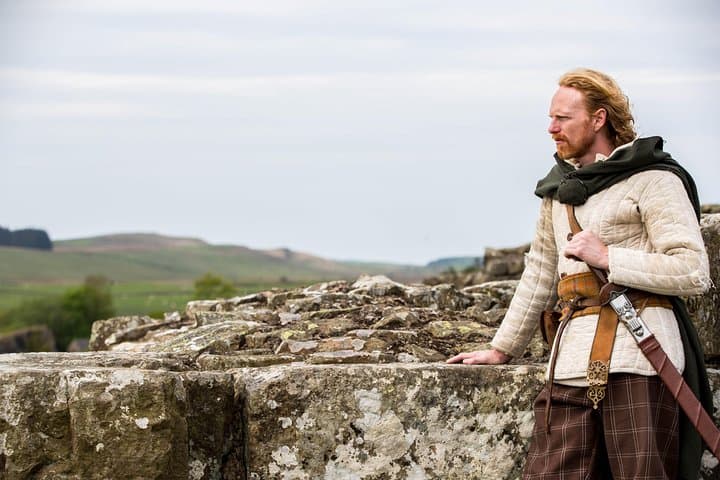
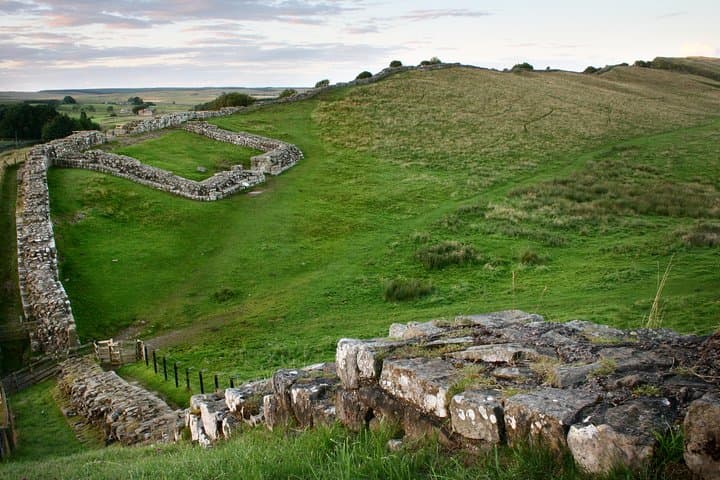
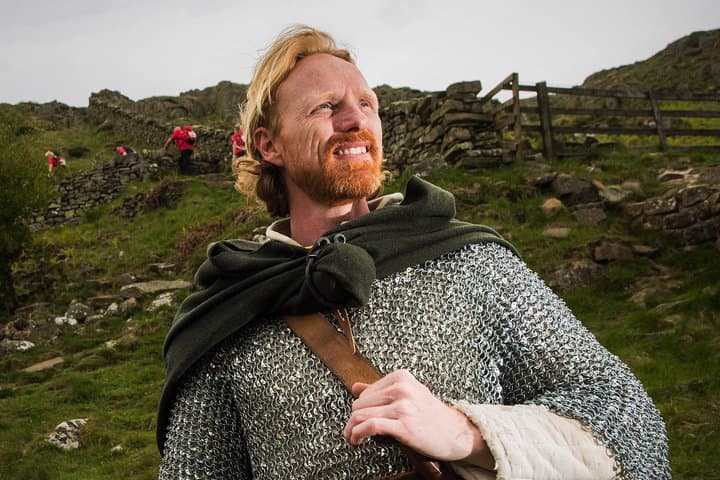
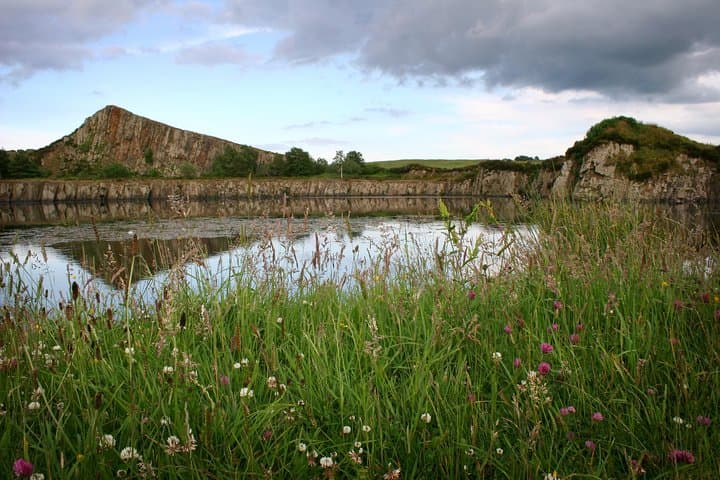
You begin on a wind-scoured ridge where stone and sky argue over the horizon—Hadrian’s Wall runs like an old scar across Northumberland, and walking it for a day feels like moving through layered time.
You begin on a wind-scoured ridge where stone and sky argue over the horizon—Hadrian’s Wall runs like an old scar across Northumberland, and walking it for a day feels like moving through layered time.
Start along the Whin Sill, a hard dolerite band that forces the land up and gives the Wall its dramatic line. Roman camps—Housesteads and Vindolanda—appear as earthworks and museum displays, each site offering a different angle: Housesteads’ strategic view, Vindolanda’s domestic finds. Your guide will narrate both Roman and native perspectives, turning masonry and turf into stories about frontier life, logistics, and cultural exchange.
Geology shapes everything here: the Whin Sill created vantage points; valleys and burn crossings determined troop movement. Locally, farming shaped the landscape after the Romans left, and small villages still hold the dialect and hospitality of the Northumbrian Borders.
Practical guide: the tour is a full 7-hour day with several moderate walks between forts; expect uneven stone, short steep sections and exposed ridgelines. Wear sturdy boots with good tread, bring layered waterproofs for sudden weather swings, and pack water and a substantial lunch—museum cafés can be limited. Transport between sites isn’t included; if you aren’t driving, arrange taxis or confirm pickup details with the operator. Photography is excellent in low light—arrive with a charged battery and a small tripod if you want landscape shots. Finally, respect fragile archaeology: stay on marked routes and follow your guide’s instructions to protect features that have survived two millennia.