THE ADVENTURE COLLECTIVE® · Independent discovery and booking for outdoor travel

Walk through Anuradhapura’s living ruins with a local guide and experience temples, ancient reservoirs, and the nearly 2,300-year-old Sri Maha Bodhi. This full-day guided tour blends archaeological insight with practical navigation of uneven sites.
Walk through Anuradhapura’s living ruins with a local guide and experience temples, ancient reservoirs, and the nearly 2,300-year-old Sri Maha Bodhi. This full-day guided tour blends archaeological insight with practical navigation of uneven sites.
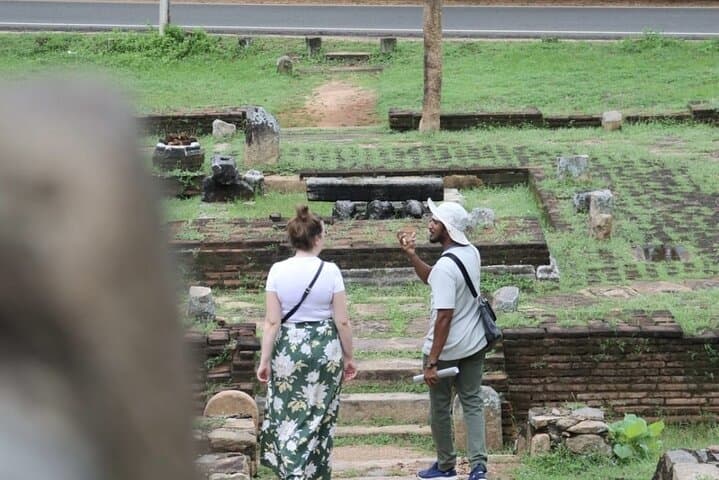
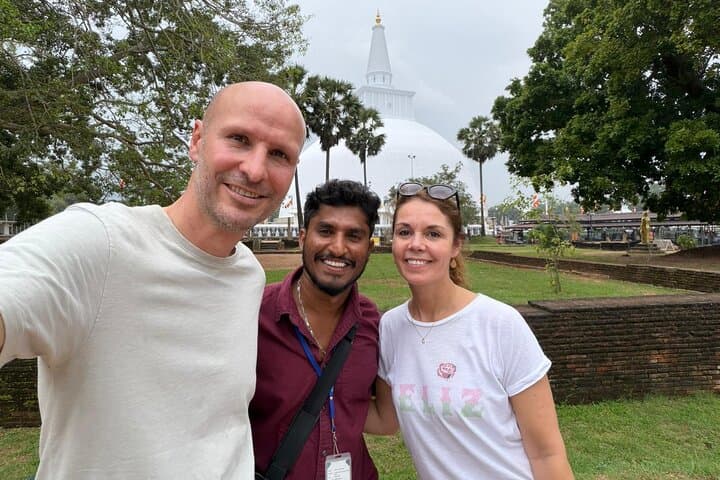
You arrive at dawn as the dry plains of Rajarata wake: dust lifts from the road, temple bells cut the air, and the silhouette of a stupa resolves against a pale sky. Guide Lucky leads the first steps into Vessagiriya’s rock-cut dwellings where carved meditation cells and shade-steeped courtyards make history tactile—stone that once housed scholars and monks greets modern visitors with a quiet presence.
Verified experiences and guided adventures in the surrounding area.
Operated by Lucky Lanka Expedition · Anuradhapura, North Central Province
You arrive at dawn as the dry plains of Rajarata wake: dust lifts from the road, temple bells cut the air, and the silhouette of a stupa resolves against a pale sky. Guide Lucky leads the first steps into Vessagiriya’s rock-cut dwellings where carved meditation cells and shade-steeped courtyards make history tactile—stone that once housed scholars and monks greets modern visitors with a quiet presence.
Anuradhapura’s story stretches back millennia: a hydraulic civilization built vast reservoirs and engineering works, raised monumental dagobas like Ruwanweliseya, and planted the Sri Maha Bodhi—a living link to the Buddha—around the 3rd century BCE. The city sits on older metamorphic bedrock with soil sculpted by ancient irrigation, so ponds and cisterns remain the landscape’s organizing features.
Culture here remains devotional and civic; you’ll see monks in saffron robes, villagers tending temple grounds, and archaeological ruins threaded with living rituals. Hidden carvings and moonstones reward close attention.
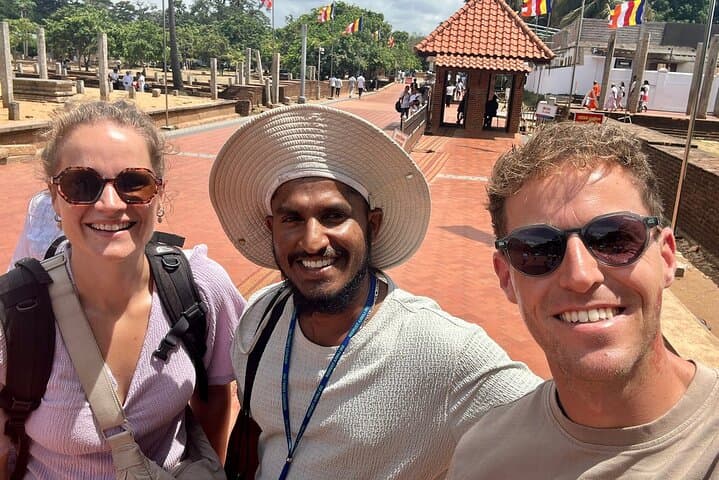
Practical guidance: this is a full-day, low-impact walking tour of about six hours with multiple short stops and some uneven surfaces—expect gravel, packed earth, and stone steps. Wear sturdy walking shoes, sun protection, and carry 1–2 liters of water; modest clothing that covers shoulders and knees is required at sacred sites. Mornings are cooler and less crowded; afternoons intensify heat.
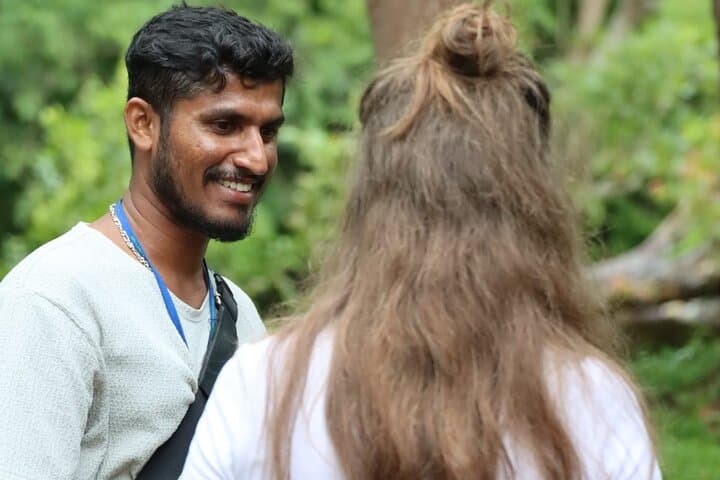
Guide Lucky provides context on architecture, the hydraulic systems, and royal history while managing logistics and entry points. The tour balances paced exploration with cultural insight—ideal for history-minded travelers who prefer a focused, on-foot experience of one of Sri Lanka’s oldest capitals.
easy.
6 hours.
Suitable for people with basic mobility who can walk on uneven ground for several hours; minimal elevation change.
This tour covers guidance and logistics; site admission is typically paid separately—confirm with your operator or guide before arrival.
The route is low-impact with short walks, but uneven surfaces and full-day duration may be tiring; inform the operator of mobility concerns.
Modest dress is required—shoulders and knees should be covered. Remove footwear and headwear where indicated inside shrine areas.
Private tours commonly allow flexibility—discuss timing or specific site priorities with Guide Lucky when booking or at tour start.
Anuradhapura was the political and spiritual center of ancient Sri Lanka from the 4th century BCE, famed for its large stupas, monasteries, and advanced irrigation systems.
Archaeological zones are managed to protect fragile ruins—stay on designated paths, avoid touching delicate carvings, and follow guide instructions to minimize impact.
Lucky Lanka Expedition operates guided outdoor trips and adventures with an emphasis on safety, stewardship, and memorable experiences.
You arrive at dawn as the dry plains of Rajarata wake: dust lifts from the road, temple bells cut the air, and the silhouette of a stupa resolves against a pale sky. Guide Lucky leads the first steps into Vessagiriya’s rock-cut dwellings where carved meditation cells and shade-steeped courtyards make history tactile—stone that once housed scholars and monks greets modern visitors with a quiet presence.
You arrive at dawn as the dry plains of Rajarata wake: dust lifts from the road, temple bells cut the air, and the silhouette of a stupa resolves against a pale sky. Guide Lucky leads the first steps into Vessagiriya’s rock-cut dwellings where carved meditation cells and shade-steeped courtyards make history tactile—stone that once housed scholars and monks greets modern visitors with a quiet presence.
Anuradhapura’s story stretches back millennia: a hydraulic civilization built vast reservoirs and engineering works, raised monumental dagobas like Ruwanweliseya, and planted the Sri Maha Bodhi—a living link to the Buddha—around the 3rd century BCE. The city sits on older metamorphic bedrock with soil sculpted by ancient irrigation, so ponds and cisterns remain the landscape’s organizing features.
Culture here remains devotional and civic; you’ll see monks in saffron robes, villagers tending temple grounds, and archaeological ruins threaded with living rituals. Hidden carvings and moonstones reward close attention.
Practical guidance: this is a full-day, low-impact walking tour of about six hours with multiple short stops and some uneven surfaces—expect gravel, packed earth, and stone steps. Wear sturdy walking shoes, sun protection, and carry 1–2 liters of water; modest clothing that covers shoulders and knees is required at sacred sites. Mornings are cooler and less crowded; afternoons intensify heat.
Guide Lucky provides context on architecture, the hydraulic systems, and royal history while managing logistics and entry points. The tour balances paced exploration with cultural insight—ideal for history-minded travelers who prefer a focused, on-foot experience of one of Sri Lanka’s oldest capitals.