THE ADVENTURE COLLECTIVE® · Independent discovery and booking for outdoor travel

Spend a day walking between the Great Pyramids, the Sphinx, Saqqara’s Step Pyramid and the open-air museum at Memphis. This guided tour blends accessible outdoor exploration with focused Egyptological insights and practical support like hotel transfers and bottled water.
Spend a day walking between the Great Pyramids, the Sphinx, Saqqara’s Step Pyramid and the open-air museum at Memphis. This guided tour blends accessible outdoor exploration with focused Egyptological insights and practical support like hotel transfers and bottled water.
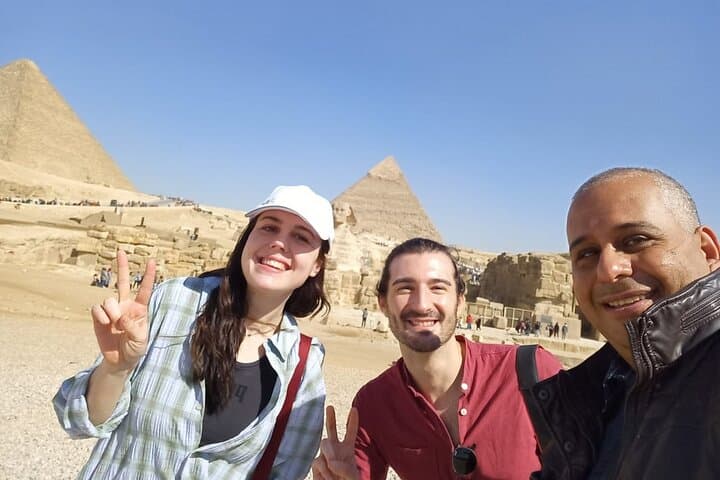
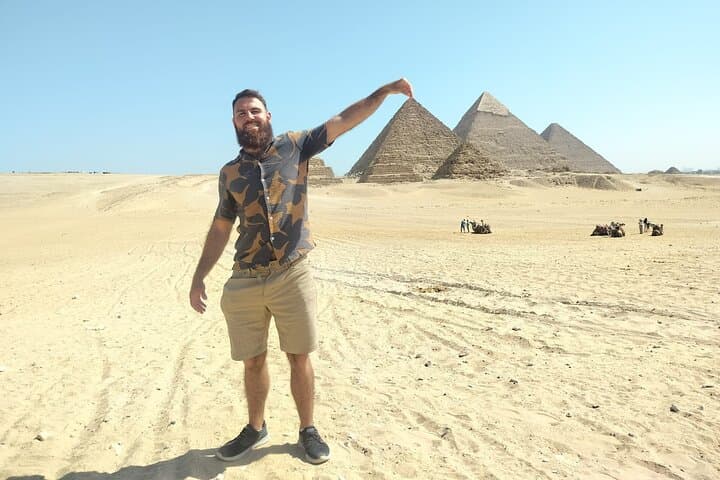
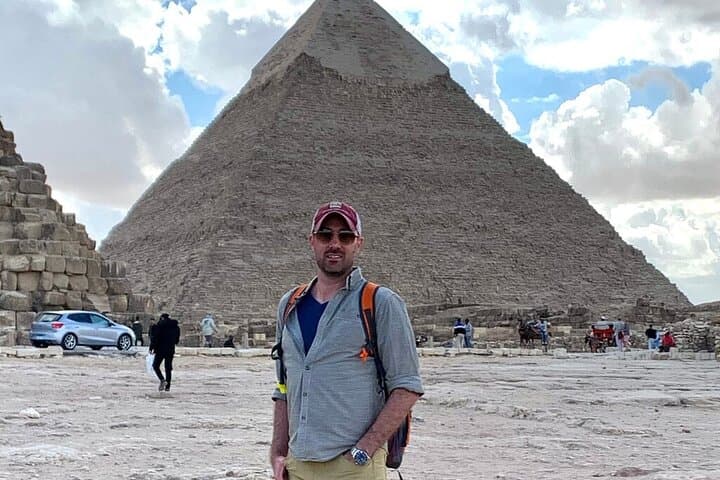
The morning sun hits the limestone faces of the Great Pyramid and the desert air tastes of dust and history. On the Giza Plateau, camels stand patient while the stones—worn but immovable—seem to measure time itself. An English-speaking Egyptology guide leads travelers across flat sands and paved walkways between the three major Giza pyramids, the Sphinx and the Valley Temple, before the group moves south to Saqqara’s Step Pyramid and west to the open-air museum at Memphis.
Verified experiences and guided adventures in the surrounding area.
Operated by Egypt Best Holidays · Giza, Cairo Governorate
The morning sun hits the limestone faces of the Great Pyramid and the desert air tastes of dust and history. On the Giza Plateau, camels stand patient while the stones—worn but immovable—seem to measure time itself. An English-speaking Egyptology guide leads travelers across flat sands and paved walkways between the three major Giza pyramids, the Sphinx and the Valley Temple, before the group moves south to Saqqara’s Step Pyramid and west to the open-air museum at Memphis.
This route follows Egypt’s Bronze and Old Kingdom heartland: the Step Pyramid of Djoser (c. 2630 BC) is the earliest large-scale stone structure, an architectural leap from earlier mud-brick tombs. Memphis was once the political and religious capital, where colossi and sphinxes marked royal power. Geologically, the ridges of Giza are limestone outcrops carved by wind; durable blocks quarried nearby built the monuments travelers see today.
Practically, expect several hours of walking on uneven ground, short climbs on paved ramps and open sun exposure. The tour typically runs about eight hours with hotel pickup and drop-off in Cairo or Giza, bottled water provided and flexible start times. Visitors should carry sun protection, comfortable shoes and small local currency for entrance fees or optional camel rides. Photography is allowed at most sites but interior pyramid access requires a separate ticket and can be limited. Plan for heat in summer and arrive early in the day when light and crowds are kinder. The experience mixes outdoor exploration with archaeological storytelling—accessible, paced and deeply rooted in Egypt’s ancient urban landscape.
easy.
8 hours.
Suitable for most fitness levels; involves several hours of walking on uneven ground and short, easy climbs.
Most standard tours do not include individual site entrance fees or special-access tickets (such as entering the Great Pyramid); these are usually paid onsite or can be added in advance.
Interior access requires a separate ticket and can be limited; ask your guide to advise on availability and timing—alternatively enjoy exterior views and the plateau.
The tour lists wheelchair accessibility for transfers, but access within archaeological sites is limited—surfaces are uneven and ramps are not ubiquitous; check with the operator for specific assistance needs.
Cooler months (October–April) offer more comfortable conditions for walking and photography; summer is very hot and requires early starts and extra water.
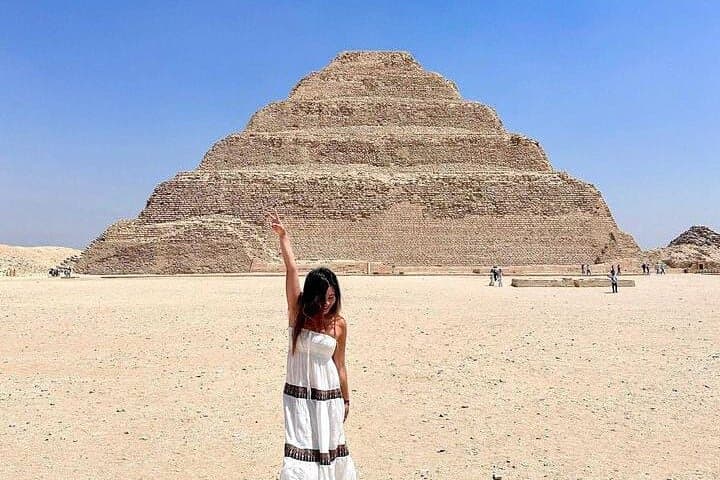
Saqqara’s Step Pyramid, built for King Djoser, marks the evolution from mastaba tombs to monumental stone architecture; Memphis functioned as Egypt’s ancient administrative and religious capital.
High visitor numbers stress fragile stone and painted surfaces; follow guide directions, avoid touching reliefs and support licensed guides and local conservation funds when possible.
Egypt Best Holidays operates guided outdoor trips and adventures with an emphasis on safety, stewardship, and memorable experiences.
The morning sun hits the limestone faces of the Great Pyramid and the desert air tastes of dust and history. On the Giza Plateau, camels stand patient while the stones—worn but immovable—seem to measure time itself. An English-speaking Egyptology guide leads travelers across flat sands and paved walkways between the three major Giza pyramids, the Sphinx and the Valley Temple, before the group moves south to Saqqara’s Step Pyramid and west to the open-air museum at Memphis.
The morning sun hits the limestone faces of the Great Pyramid and the desert air tastes of dust and history. On the Giza Plateau, camels stand patient while the stones—worn but immovable—seem to measure time itself. An English-speaking Egyptology guide leads travelers across flat sands and paved walkways between the three major Giza pyramids, the Sphinx and the Valley Temple, before the group moves south to Saqqara’s Step Pyramid and west to the open-air museum at Memphis.
This route follows Egypt’s Bronze and Old Kingdom heartland: the Step Pyramid of Djoser (c. 2630 BC) is the earliest large-scale stone structure, an architectural leap from earlier mud-brick tombs. Memphis was once the political and religious capital, where colossi and sphinxes marked royal power. Geologically, the ridges of Giza are limestone outcrops carved by wind; durable blocks quarried nearby built the monuments travelers see today.
Practically, expect several hours of walking on uneven ground, short climbs on paved ramps and open sun exposure. The tour typically runs about eight hours with hotel pickup and drop-off in Cairo or Giza, bottled water provided and flexible start times. Visitors should carry sun protection, comfortable shoes and small local currency for entrance fees or optional camel rides. Photography is allowed at most sites but interior pyramid access requires a separate ticket and can be limited. Plan for heat in summer and arrive early in the day when light and crowds are kinder. The experience mixes outdoor exploration with archaeological storytelling—accessible, paced and deeply rooted in Egypt’s ancient urban landscape.