THE ADVENTURE COLLECTIVE® · Independent discovery and booking for outdoor travel

A full-day guided circuit from Cusco to Machu Picchu that combines Sacred Valley transit, scenic train travel to Aguas Calientes, and a guided walkthrough of the citadel. Ideal for first-time visitors who want a structured, informative visit within a single long day.
A full-day guided circuit from Cusco to Machu Picchu that combines Sacred Valley transit, scenic train travel to Aguas Calientes, and a guided walkthrough of the citadel. Ideal for first-time visitors who want a structured, informative visit within a single long day.
You step off the train into Aguas Calientes with mountain mist still clinging to the valley walls, and the slope to Machu Picchu seems to inhale and hold its breath for you.
Verified experiences and guided adventures in the surrounding area.
Operated by Local Link Experience · Aguas Calientes, Cusco
You step off the train into Aguas Calientes with mountain mist still clinging to the valley walls, and the slope to Machu Picchu seems to inhale and hold its breath for you.
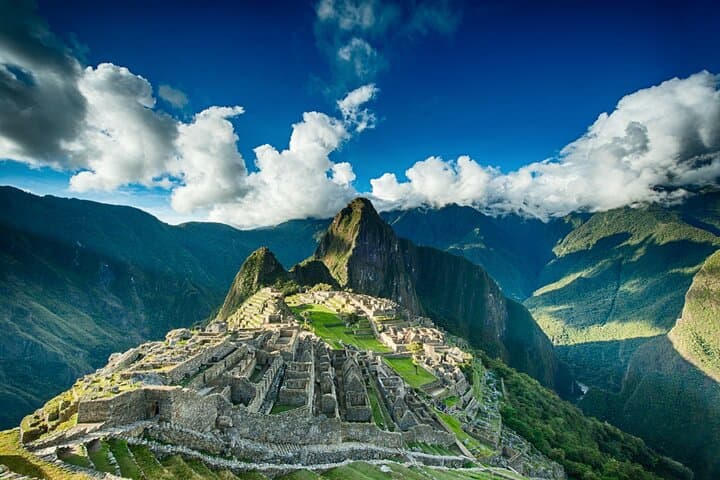
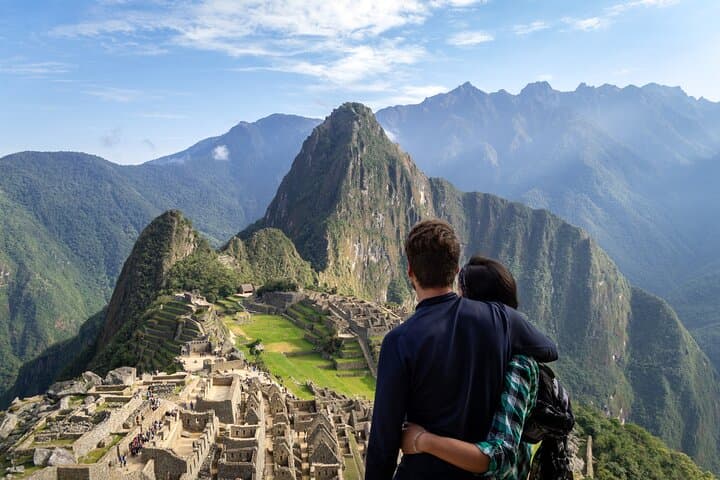
This full-day expedition traces the route through the Sacred Valley and into the cloud-scraped amphitheater that the Incas chose for their citadel. Machu Picchu sits on a limestone ridge carved by the Urubamba River; the terraces and stonework reveal engineering adapted to steep, seismic terrain. Spanish colonial documents and oral Quechua memory color the site's history, while Hiram Bingham’s 1911 expedition reintroduced it to the world.
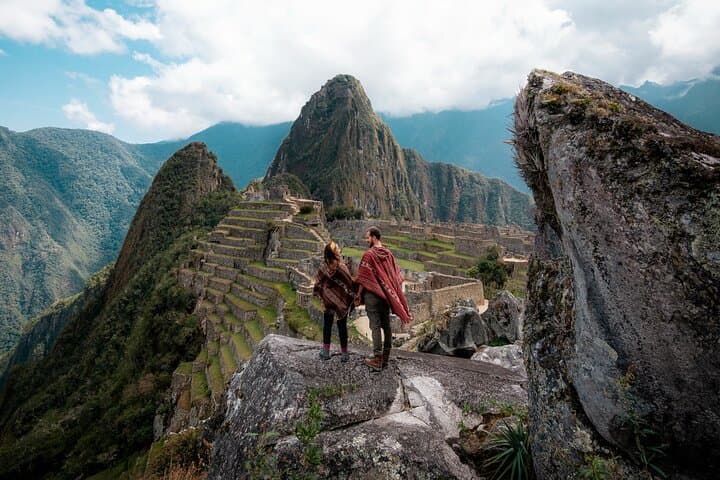
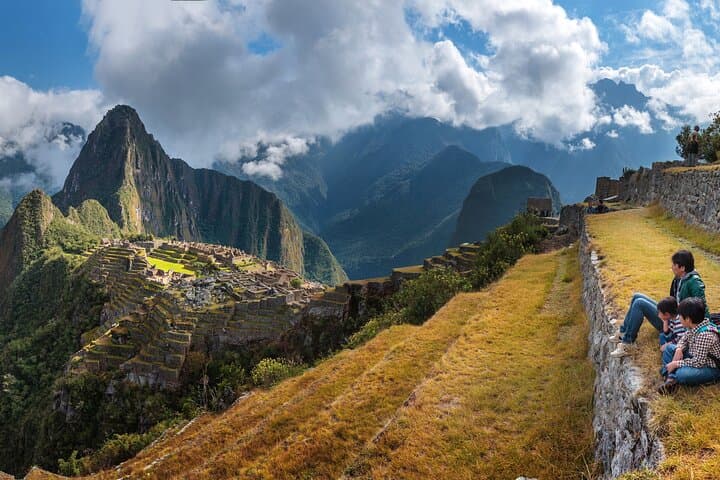
Culturally the place remains alive: llamas graze between agricultural terraces, Quechua place-names persist, and local guides translate architectural details into social and ritual context. Geologically the site is a splice of metamorphic and sedimentary rock, weathered by humidity—expect slick stone in the rainforest season.
Practicalities shape the day: you’ll travel by bus and tourist train from Cusco via Ollantaytambo, transfer in Aguas Calientes, and take the short bus ascent to the citadel. Guided time is shared and paced to match group abilities, with downhill walking back to the town. Hydrate before the bus climb—altitude at around 2,430 m affects pace more than the terrain.
Footwear with grip, layered clothing for sun and sudden rain, and sun protection will keep you moving. Plan for an 8–10 hour travel window; carry small cash for food in Aguas Calientes and respect the reserve’s rules—stay on trails, keep noise low, and leave no trace.
moderate.
8–10 hours.
Moderate fitness recommended; the tour involves several hours of walking at high elevation so basic cardiovascular fitness helps.
Expect about 8–10 hours door-to-door, including bus and train transfers; exact timing depends on train schedules and traffic.
The archaeological site has steep, uneven stone paths and many steps; those with limited mobility may find access challenging and should consult the operator beforehand.
Yes—this tour includes entrance to Machu Picchu; your ticket type and entry window will be confirmed by the operator.
Altitude affects people differently; acclimatize in Cusco, stay hydrated, avoid heavy meals and alcohol before the trip, and consider medication after consulting your doctor.
Machu Picchu is a 15th-century Inca site likely built under Pachacuti; it remained largely unknown to the outside world until Hiram Bingham’s 1911 expedition.
Visitor numbers and designated routes are enforced to protect fragile structures; follow signage, avoid stepping on terraces, and pack out any trash.
Local Link Experience operates guided outdoor trips and adventures with an emphasis on safety, stewardship, and memorable experiences.
You step off the train into Aguas Calientes with mountain mist still clinging to the valley walls, and the slope to Machu Picchu seems to inhale and hold its breath for you.
You step off the train into Aguas Calientes with mountain mist still clinging to the valley walls, and the slope to Machu Picchu seems to inhale and hold its breath for you.
This full-day expedition traces the route through the Sacred Valley and into the cloud-scraped amphitheater that the Incas chose for their citadel. Machu Picchu sits on a limestone ridge carved by the Urubamba River; the terraces and stonework reveal engineering adapted to steep, seismic terrain. Spanish colonial documents and oral Quechua memory color the site's history, while Hiram Bingham’s 1911 expedition reintroduced it to the world.
Culturally the place remains alive: llamas graze between agricultural terraces, Quechua place-names persist, and local guides translate architectural details into social and ritual context. Geologically the site is a splice of metamorphic and sedimentary rock, weathered by humidity—expect slick stone in the rainforest season.
Practicalities shape the day: you’ll travel by bus and tourist train from Cusco via Ollantaytambo, transfer in Aguas Calientes, and take the short bus ascent to the citadel. Guided time is shared and paced to match group abilities, with downhill walking back to the town. Hydrate before the bus climb—altitude at around 2,430 m affects pace more than the terrain.
Footwear with grip, layered clothing for sun and sudden rain, and sun protection will keep you moving. Plan for an 8–10 hour travel window; carry small cash for food in Aguas Calientes and respect the reserve’s rules—stay on trails, keep noise low, and leave no trace.