THE ADVENTURE COLLECTIVE® · Independent discovery and booking for outdoor travel

Gain the crater rim on a full-day guided hike at Mount Longonot, where steep volcanic slopes yield sweeping Rift Valley panoramas. This practical guide explains terrain, timing, and what to pack for a rewarding day hike.
Gain the crater rim on a full-day guided hike at Mount Longonot, where steep volcanic slopes yield sweeping Rift Valley panoramas. This practical guide explains terrain, timing, and what to pack for a rewarding day hike.
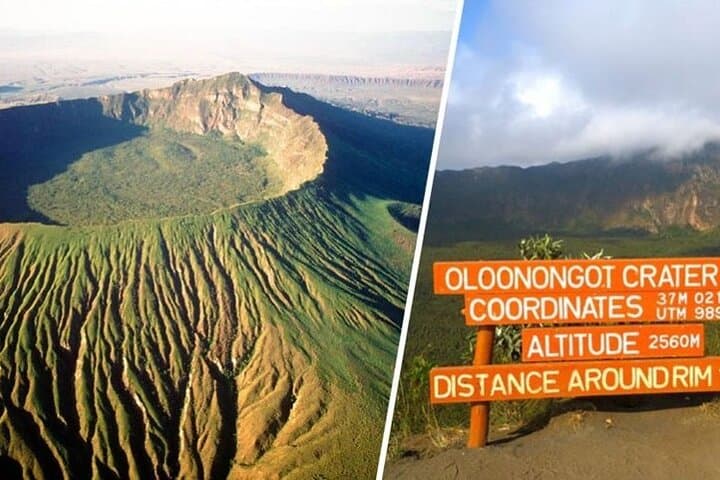
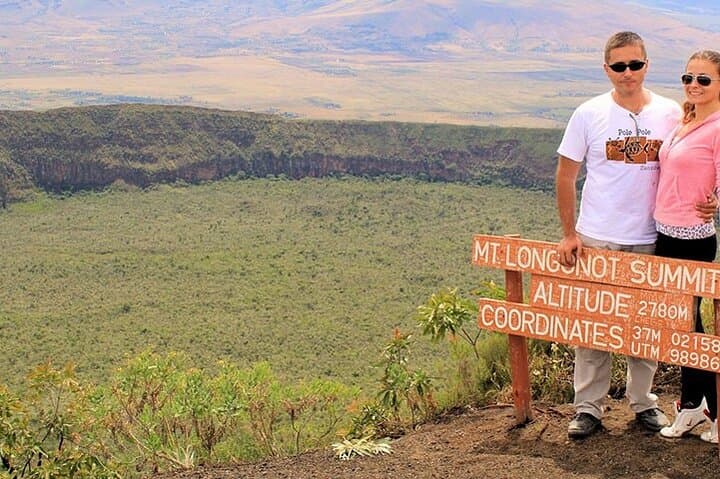
An early pickup from Nairobi drops you into the Rift Valley as the road climbs toward Mount Longonot. The crater rim waits like a sharpened collar around a forested hollow; wind and light play over the slopes while dusty switchbacks pull you upward. As you reach the rim, the valley spreads out — a patchwork of soda lakes and farming terraces — and the crater’s inner forest exhales cool shade.
Verified experiences and guided adventures in the surrounding area.
Operated by MOSHEL TOURS AND TRAVEL · Naivasha, Nakuru County
An early pickup from Nairobi drops you into the Rift Valley as the road climbs toward Mount Longonot. The crater rim waits like a sharpened collar around a forested hollow; wind and light play over the slopes while dusty switchbacks pull you upward. As you reach the rim, the valley spreads out — a patchwork of soda lakes and farming terraces — and the crater’s inner forest exhales cool shade.
Longonot is a dormant stratovolcano rising to about 2,776 m; its steep crater walls were shaped by volcanic eruptions and Rift Valley faulting. Maasai people historically traversed these slopes; the park now protects grassland, acacia scrub and pockets of montane forest inside the crater. Geologically, the rim offers a visible cross-section of ancient lava flows and ash deposits, and the crater floor shows how vegetation reclaims cooled rock.
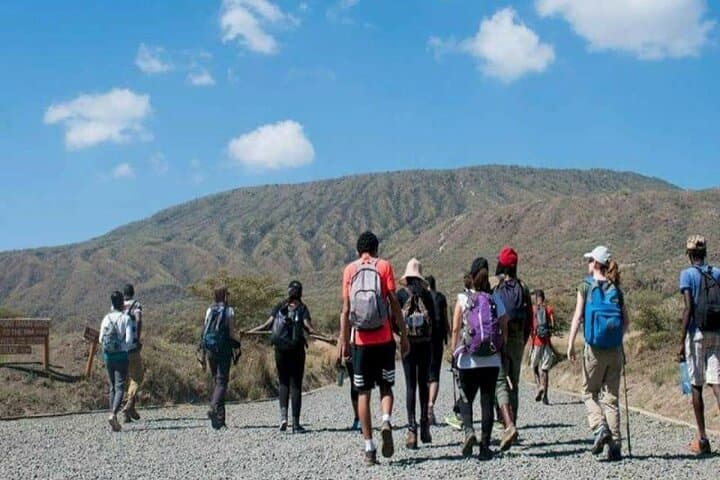
Expect a moderately strenuous day: the rim circuit is roughly 7–9 km with 400–700 m of ascent depending on your start point. Terrain alternates between packed volcanic dust, loose gravel and sharper rocky sections; some climbs are short and steep. Wear supportive hiking shoes, carry at least 1–2 liters of water, and bring sun protection — the equatorial sun is relentless even when early mornings feel cool.
Practical choices shape the trip: start early to avoid heat and to catch clearer valley views, pace yourself on dusty descents, and stay on designated paths to protect fragile soils. Many groups pair the hike with a late-afternoon boat trip on Lake Naivasha to see hippos before returning to Nairobi.
moderate.
10–12 hours (full day including transfers).
Good aerobic base and ability to handle sustained climbs and loose, uneven terrain; some experience with day hikes helpful
The full rim circuit is typically 7–9 km depending on start/end point; allow 3–5 hours for the hike itself plus transfer time.
Classified moderate: there are steep stretches and loose volcanic scree that make steady footing important, but no technical climbing is required.
Mount Longonot sits in a national park where park fees apply; guided tours include park access and local guidance — guides are recommended for navigation and safety.
Yes — many itineraries include a late-afternoon drive to Lake Naivasha for a boat ride to see hippos before returning to Nairobi.
Mount Longonot is a dormant stratovolcano in the Kenyan Rift Valley; the reserve protects volcanic landscapes and grazing areas long used by Maasai communities.
Visitors should stay on trails and pack out waste; Kenya Wildlife Service manages park protection while local tourism supports conservation and community jobs.
MOSHEL TOURS AND TRAVEL operates guided outdoor trips and adventures with an emphasis on safety, stewardship, and memorable experiences.
An early pickup from Nairobi drops you into the Rift Valley as the road climbs toward Mount Longonot. The crater rim waits like a sharpened collar around a forested hollow; wind and light play over the slopes while dusty switchbacks pull you upward. As you reach the rim, the valley spreads out — a patchwork of soda lakes and farming terraces — and the crater’s inner forest exhales cool shade.
An early pickup from Nairobi drops you into the Rift Valley as the road climbs toward Mount Longonot. The crater rim waits like a sharpened collar around a forested hollow; wind and light play over the slopes while dusty switchbacks pull you upward. As you reach the rim, the valley spreads out — a patchwork of soda lakes and farming terraces — and the crater’s inner forest exhales cool shade.
Longonot is a dormant stratovolcano rising to about 2,776 m; its steep crater walls were shaped by volcanic eruptions and Rift Valley faulting. Maasai people historically traversed these slopes; the park now protects grassland, acacia scrub and pockets of montane forest inside the crater. Geologically, the rim offers a visible cross-section of ancient lava flows and ash deposits, and the crater floor shows how vegetation reclaims cooled rock.
Expect a moderately strenuous day: the rim circuit is roughly 7–9 km with 400–700 m of ascent depending on your start point. Terrain alternates between packed volcanic dust, loose gravel and sharper rocky sections; some climbs are short and steep. Wear supportive hiking shoes, carry at least 1–2 liters of water, and bring sun protection — the equatorial sun is relentless even when early mornings feel cool.
Practical choices shape the trip: start early to avoid heat and to catch clearer valley views, pace yourself on dusty descents, and stay on designated paths to protect fragile soils. Many groups pair the hike with a late-afternoon boat trip on Lake Naivasha to see hippos before returning to Nairobi.