THE ADVENTURE COLLECTIVE® · Independent discovery and booking for outdoor travel

Board a panga at Puerto Chale and spend two focused hours observing gray whales in one of Baja’s principal nursery areas. This full-day trip from La Paz includes a marine biologist, small-group viewing, and a local lunch.
Board a panga at Puerto Chale and spend two focused hours observing gray whales in one of Baja’s principal nursery areas. This full-day trip from La Paz includes a marine biologist, small-group viewing, and a local lunch.
The morning starts before the town fully wakes: a short drive from La Paz, the highway opens onto a glassy Sea of Cortez and the mangrove-lined inlet at Puerto Chale. Salt and diesel mix in the air as you step into a low-profile panga; a marine biologist checks gear and points to a dark line on the horizon — a blow, then the slow roll of a gray whale.
Verified experiences and guided adventures in the surrounding area.
Operated by Baja Whales · La Paz, Baja California Sur
The morning starts before the town fully wakes: a short drive from La Paz, the highway opens onto a glassy Sea of Cortez and the mangrove-lined inlet at Puerto Chale. Salt and diesel mix in the air as you step into a low-profile panga; a marine biologist checks gear and points to a dark line on the horizon — a blow, then the slow roll of a gray whale.
Gray whales travel thousands of miles from Arctic feeding grounds to Baja’s protected lagoons and sheltered bays. The coastline here is young, shaped by tectonic shifts and volcanic uplift that form the shallow channels whales favor for breeding and calf rearing. Local fishing communities have long observed these migrations; today small-scale ecotourism helps sustain both livelihoods and research.
Expect two hours on the water in a small group (max ~8), close but respectful viewing protocols, and narration from guides who translate behavior and natural history into clear context. After sightings you’ll pause at a local restaurant for lunch before returning to La Paz — the full outing runs about nine hours and depends on weather and minimum passenger counts.
Practical pointers: bring buoyant sun protection, motion-sickness remedies, and binoculars; wear layers for morning cool and midday sun. Boats remain at a respectful distance — whales may approach out of curiosity, but harassment is strictly avoided. Because the trip uses small vessels and natural rhythms, flexibility is key: the day is about patient observation and leaving the animals as free as you found them.
easy.
9 hours.
Suitable for most fitness levels; requires boarding a small panga and standing during sightings for up to two hours
The full-day outing is about nine hours: departure from La Paz between 7:50–8:20, roughly two hours of panga-based whale viewing, lunch at a local restaurant (~1.5 hours), then return to La Paz.
Small pangas allow intimate viewing, but crews follow non-harassment guidelines; whales sometimes approach out of curiosity, but interaction is always on the animals’ terms.
Trips can be canceled for bad weather or insufficient passengers; operators will offer an alternate date or refund. Medical restrictions may apply for pregnant travelers or those with serious spinal or heart conditions.
The tour is suitable for most ages and fitness levels, but guests must be able to board a small boat and sit/stand during sightings; advise the operator of any mobility needs when booking.
Gray whales have migrated to Baja’s sheltered lagoons for centuries; the region’s modern whale-watching practices grew alongside local conservation efforts and research programs.
Operators follow strict non-harassment protocols and support local economies; visitors should respect distance rules and avoid single-use plastics to reduce marine impact.
Baja Whales operates guided outdoor trips and adventures with an emphasis on safety, stewardship, and memorable experiences.
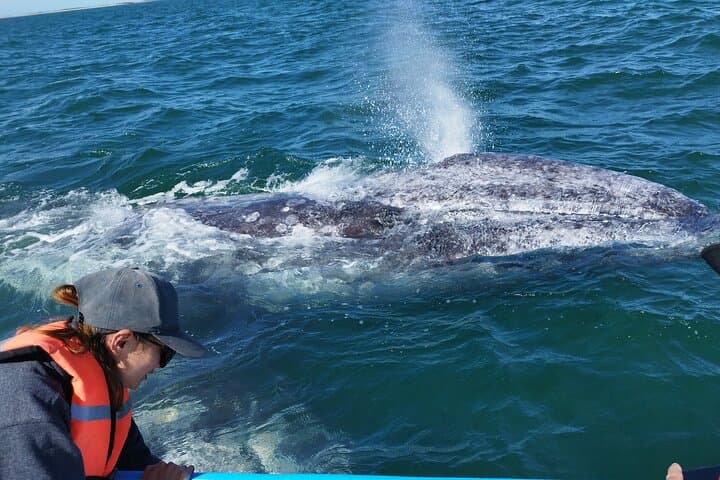
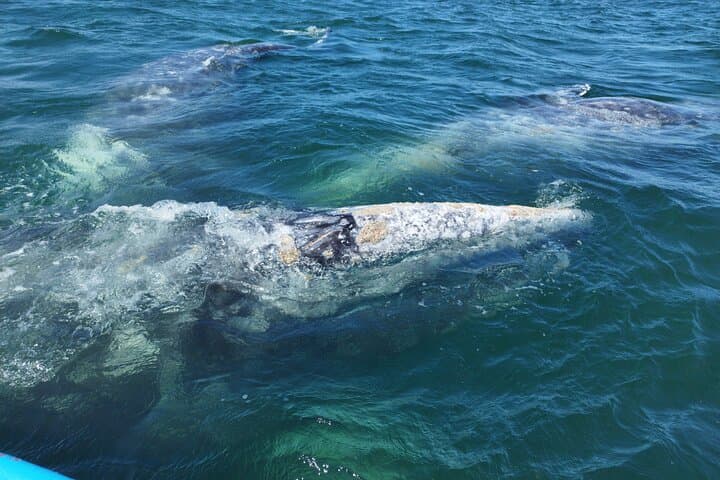
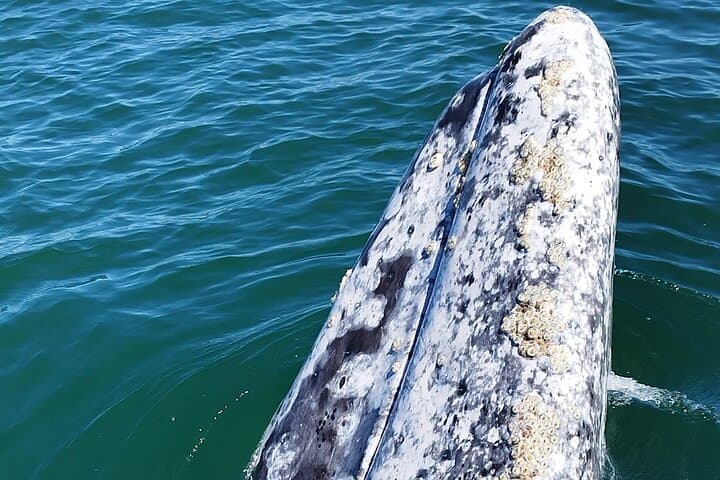
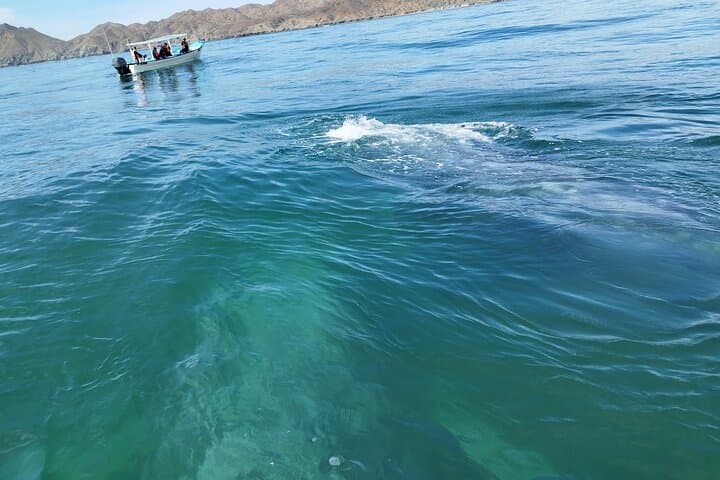
The morning starts before the town fully wakes: a short drive from La Paz, the highway opens onto a glassy Sea of Cortez and the mangrove-lined inlet at Puerto Chale. Salt and diesel mix in the air as you step into a low-profile panga; a marine biologist checks gear and points to a dark line on the horizon — a blow, then the slow roll of a gray whale.
The morning starts before the town fully wakes: a short drive from La Paz, the highway opens onto a glassy Sea of Cortez and the mangrove-lined inlet at Puerto Chale. Salt and diesel mix in the air as you step into a low-profile panga; a marine biologist checks gear and points to a dark line on the horizon — a blow, then the slow roll of a gray whale.
Gray whales travel thousands of miles from Arctic feeding grounds to Baja’s protected lagoons and sheltered bays. The coastline here is young, shaped by tectonic shifts and volcanic uplift that form the shallow channels whales favor for breeding and calf rearing. Local fishing communities have long observed these migrations; today small-scale ecotourism helps sustain both livelihoods and research.
Expect two hours on the water in a small group (max ~8), close but respectful viewing protocols, and narration from guides who translate behavior and natural history into clear context. After sightings you’ll pause at a local restaurant for lunch before returning to La Paz — the full outing runs about nine hours and depends on weather and minimum passenger counts.
Practical pointers: bring buoyant sun protection, motion-sickness remedies, and binoculars; wear layers for morning cool and midday sun. Boats remain at a respectful distance — whales may approach out of curiosity, but harassment is strictly avoided. Because the trip uses small vessels and natural rhythms, flexibility is key: the day is about patient observation and leaving the animals as free as you found them.