THE ADVENTURE COLLECTIVE® · Independent discovery and booking for outdoor travel

Drive from Cabo through desert and surf to Magdalena Bay for a full-day, expert-led gray whale watching trip. Spend three hours on the water with marine-biologist narration, enjoy a seaside lunch, and return via La Paz or Todos Santos for local color.
Drive from Cabo through desert and surf to Magdalena Bay for a full-day, expert-led gray whale watching trip. Spend three hours on the water with marine-biologist narration, enjoy a seaside lunch, and return via La Paz or Todos Santos for local color.
A cold breeze cuts across the Baja coastline as the van detaches from the lights of Cabo and threads through scrubby desert toward Magdalena Bay. By midmorning you stand on a low-rolling skiff, salt on your lips, binoculars raised — and the ocean begins to breathe. Gray whales arc and roll nearby, sometimes curious enough to drift within arm’s reach; their barnacled backs and playful spouts turn distance into an intimate conversation.
Verified experiences and guided adventures in the surrounding area.
Operated by Cabo Nature · Puerto Chale, Baja California Sur
A cold breeze cuts across the Baja coastline as the van detaches from the lights of Cabo and threads through scrubby desert toward Magdalena Bay. By midmorning you stand on a low-rolling skiff, salt on your lips, binoculars raised — and the ocean begins to breathe. Gray whales arc and roll nearby, sometimes curious enough to drift within arm’s reach; their barnacled backs and playful spouts turn distance into an intimate conversation.
Magdalena Bay sits on the Pacific edge of Baja California Sur, formed by tectonic plates that rifted and dropped the basin now sheltered by barrier islands. The Cochimí people and later Spanish fishermen long used these calm waters; commercial whaling once scarred the bay, but protections and local stewardship helped gray whale numbers rebound. The region’s fishing villages still serve fresh ceviche and maintain a slow rhythm that complements the marine spectacle.
Expect three hours on the water with expert narration from a marine biologist, followed by a seaside lunch and brief cultural stops in La Paz or Todos Santos on the return. Weather can swing between glassy calm and brisk wind; whales are most active in winter and early spring during their breeding season. Bring layers, a windproof shell, and motion-sickness precautions if you’re sensitive.
Practical tips: arrive hydrated and early for pickup, secure camera gear with straps, keep voices measured to avoid spooking wildlife, and follow guide instructions for safe, respectful viewing distances. This is a full-day commitment — long drives reward close encounters and local flavors, making it an efficient way to pair wildlife viewing with Baja’s coastal character.
easy.
14 hours.
Suitable for most fitness levels; involves periods of sitting on a boat and short walks on flat piers and a seaside restaurant
Peak season runs roughly December through April, with highest concentration and most curious behavior often January–March.
Yes; the tour is family-friendly but small children should be supervised on boats and may need life vests provided by the operator.
Whales sometimes approach within a few meters, but guides follow regulations to avoid harassment and will set distance and interaction rules.
Round-trip transportation from Cabo, a three-hour whale-watching cruise, snacks, a seaside lunch, and tour photos are typically included.
Magdalena Bay has long been a seasonal refuge for gray whales and was historically used by local Cochimí communities and later by fishermen; commercial whaling in the 19th–20th centuries led to protections that aided recovery.
Responsible viewing is enforced here—operators follow codes to minimize disturbance, and local groups monitor whale behavior and boat traffic to protect calves and breeding adults.
Cabo Nature operates guided outdoor trips and adventures with an emphasis on safety, stewardship, and memorable experiences.
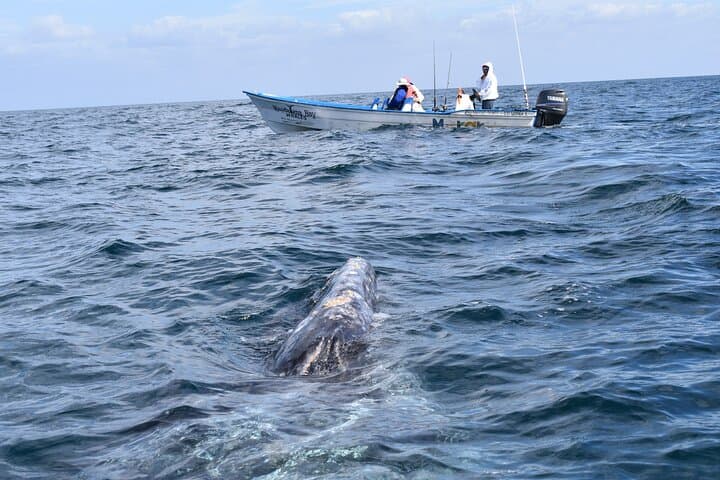
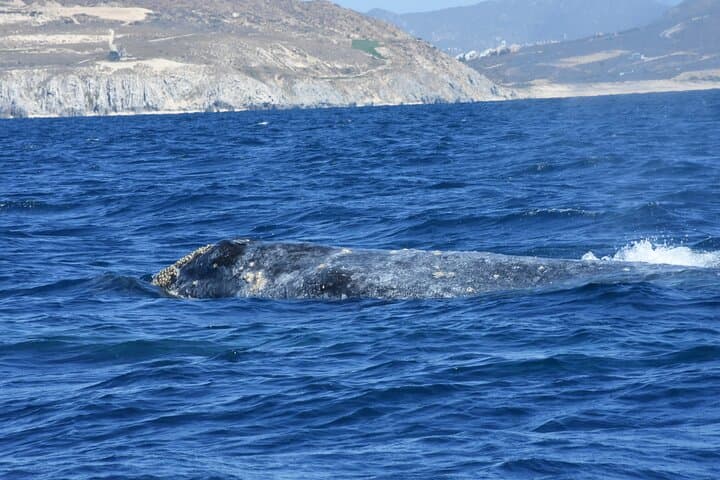
A cold breeze cuts across the Baja coastline as the van detaches from the lights of Cabo and threads through scrubby desert toward Magdalena Bay. By midmorning you stand on a low-rolling skiff, salt on your lips, binoculars raised — and the ocean begins to breathe. Gray whales arc and roll nearby, sometimes curious enough to drift within arm’s reach; their barnacled backs and playful spouts turn distance into an intimate conversation.
A cold breeze cuts across the Baja coastline as the van detaches from the lights of Cabo and threads through scrubby desert toward Magdalena Bay. By midmorning you stand on a low-rolling skiff, salt on your lips, binoculars raised — and the ocean begins to breathe. Gray whales arc and roll nearby, sometimes curious enough to drift within arm’s reach; their barnacled backs and playful spouts turn distance into an intimate conversation.
Magdalena Bay sits on the Pacific edge of Baja California Sur, formed by tectonic plates that rifted and dropped the basin now sheltered by barrier islands. The Cochimí people and later Spanish fishermen long used these calm waters; commercial whaling once scarred the bay, but protections and local stewardship helped gray whale numbers rebound. The region’s fishing villages still serve fresh ceviche and maintain a slow rhythm that complements the marine spectacle.
Expect three hours on the water with expert narration from a marine biologist, followed by a seaside lunch and brief cultural stops in La Paz or Todos Santos on the return. Weather can swing between glassy calm and brisk wind; whales are most active in winter and early spring during their breeding season. Bring layers, a windproof shell, and motion-sickness precautions if you’re sensitive.
Practical tips: arrive hydrated and early for pickup, secure camera gear with straps, keep voices measured to avoid spooking wildlife, and follow guide instructions for safe, respectful viewing distances. This is a full-day commitment — long drives reward close encounters and local flavors, making it an efficient way to pair wildlife viewing with Baja’s coastal character.