THE ADVENTURE COLLECTIVE® · Independent discovery and booking for outdoor travel

Leave the crowds for a small-group van and a day of rim hikes, geology lessons, and sweeping views. This full-day tour from Tusayan blends short, accessible hikes with expert naturalist commentary and park-side stops.
Leave the crowds for a small-group van and a day of rim hikes, geology lessons, and sweeping views. This full-day tour from Tusayan blends short, accessible hikes with expert naturalist commentary and park-side stops.
The day begins before sunrise in a quiet Tusayan parking lot, where a single tour van hums and breath fogs the air as guides hand out coffee and one last reminder to bring water. Within an hour the rim opens up: a horizon of broken stone and canyon shadows that look carved by a patient, impatient hand. Guides—naturalists who read rocks like chapters and plants like footnotes—move at a steady, conversational pace, pointing out layers that record half a billion years and stories of the people who have lived here for millennia.
Verified experiences and guided adventures in the surrounding area.
Operated by Good Trip Adventures · Tusayan, Arizona
The day begins before sunrise in a quiet Tusayan parking lot, where a single tour van hums and breath fogs the air as guides hand out coffee and one last reminder to bring water. Within an hour the rim opens up: a horizon of broken stone and canyon shadows that look carved by a patient, impatient hand. Guides—naturalists who read rocks like chapters and plants like footnotes—move at a steady, conversational pace, pointing out layers that record half a billion years and stories of the people who have lived here for millennia.
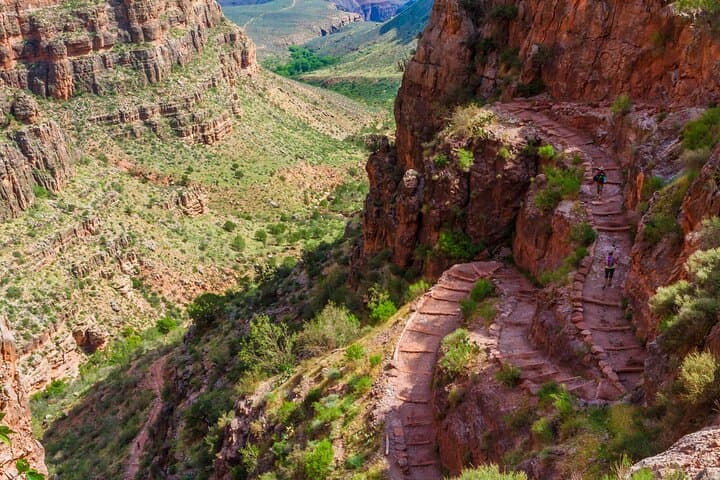
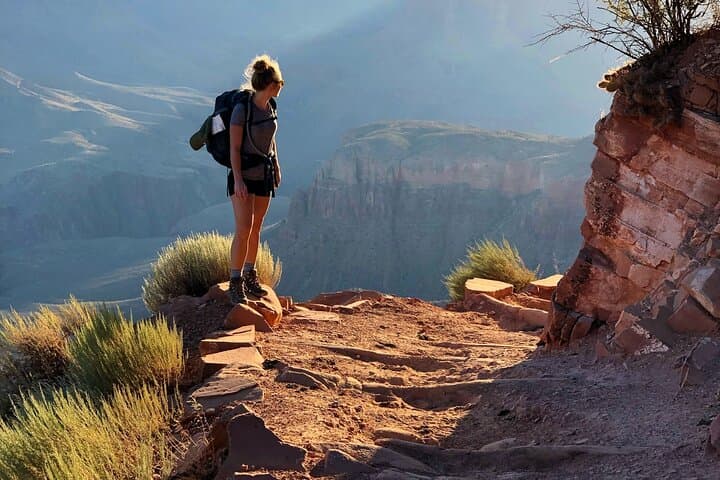
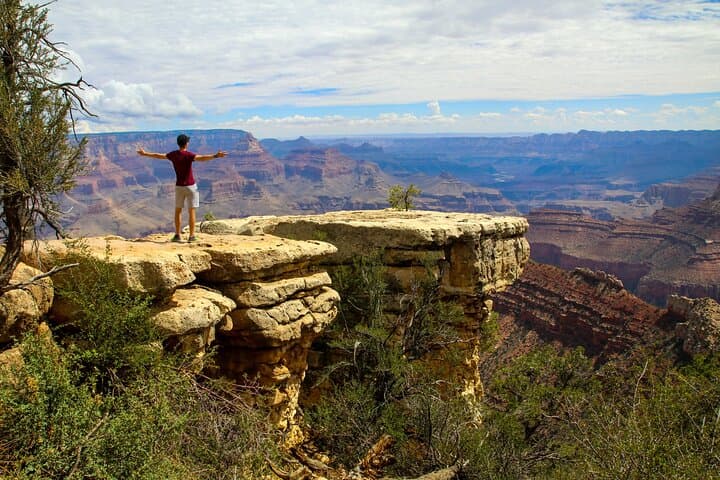
You’ll see the South Rim in stages. Mather Point offers the first theater of light; the canyon swallows the sky and returns it in bands of rust and ochre. The group then threads along the rim shuttle to the South Kaibab Trailhead and descends the steep switchbacks to Ooh Aah Point. It’s short—roughly 1.8 miles round-trip with about 400–500 feet of elevation change—but the view feels like an invitation to stand on the edge of time itself. Later stops may include Yavapai Point and the Desert View Watchtower, and the afternoon often winds through rim-side museums—Yavapai Geology Museum, Kolb Studio—where exhibits put the landscape into sharper human and scientific context.
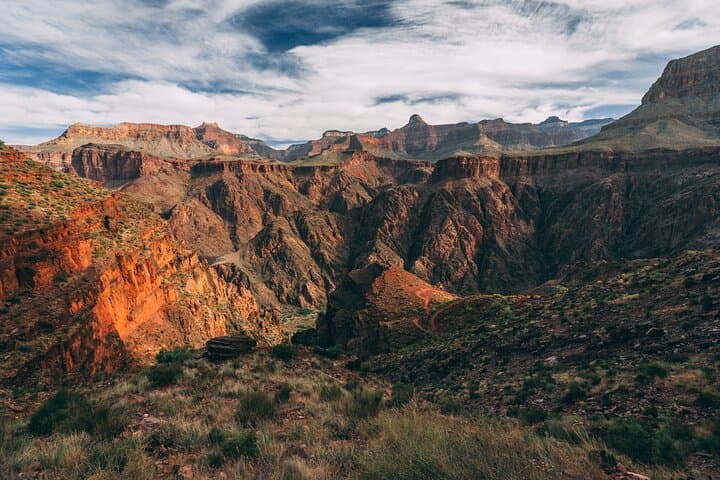
Geology is the slow drumbeat of the canyon: horizontal strata, tilted layers, and the Colorado River—far below and always present in concept—continuing to carve. Culturally, guides emphasize that the Grand Canyon is not only a natural wonder but a living place for tribes such as the Havasupai, Hualapai, Hopi, and Navajo; the tour touches on ancestral use, settlement patterns, and the park’s 20th-century conservation history.
Practically, this is a full-day commitment—expect 6–8 hours including transportation and short hikes. The trip uses the park’s shuttle system; you’ll move between viewpoints by van and shuttle, so bring a small daypack, a reusable water bottle, and layered clothing for temperature swings—the rim can be cool in the morning and warm by afternoon. Guides are medically trained, the group is capped at eight, snacks and beverages are provided, and park entry fees are included.
For photographers, early light and late afternoon shadows are best; for hikers, the South Kaibab descent to Ooh Aah Point gives the most dramatic in-canyon perspective without requiring a long or technical trek. Expect interpretive stops that ground the spectacle in science and human stories, and plan logistics around the park’s shuttle schedule. With knowledgeable guides and small groups, this is a day that balances wonder with context: you’ll leave with photos, a short hike in your legs, and a clearer sense of why the canyon keeps calling people back.
moderate.
6–8 hours.
Moderate fitness; able to hike short steep sections and stand for multiple viewpoint stops. Minimal backpacking fitness required.
Meet at the Park and Ride lot off Coyote Lane on the west side of AZ-64 in Tusayan; your guide will message final details 1–2 days before departure.
Yes—park entry fees are included in the tour price.
The South Kaibab hike to Ooh Aah Point is roughly 1.8 miles round-trip with about 400–500 feet of elevation change—short but steep in sections.
Restrooms are available at major rim viewpoints and trailheads, but fewer facilities exist along shuttle routes—use them when you can.
Families with older, steady hikers can participate; the tour notes suitability for a range of fitness levels but supervise children on exposed overlooks.
Cancel at least 24 hours before departure for a full refund; if the tour doesn’t meet minimum numbers you’ll be offered a private upgrade or full refund.
The South Rim has been used for thousands of years by Puebloan and Paiute peoples; the park’s modern protection dates to 1919 when it became a national park.
Stay on designated trails and carry out all trash; the park manages visitor flow with shuttles to reduce roadside congestion and protect fragile rim vegetation.
Good Trip Adventures operates guided outdoor trips and adventures with an emphasis on safety, stewardship, and memorable experiences.
The day begins before sunrise in a quiet Tusayan parking lot, where a single tour van hums and breath fogs the air as guides hand out coffee and one last reminder to bring water. Within an hour the rim opens up: a horizon of broken stone and canyon shadows that look carved by a patient, impatient hand. Guides—naturalists who read rocks like chapters and plants like footnotes—move at a steady, conversational pace, pointing out layers that record half a billion years and stories of the people who have lived here for millennia.
The day begins before sunrise in a quiet Tusayan parking lot, where a single tour van hums and breath fogs the air as guides hand out coffee and one last reminder to bring water. Within an hour the rim opens up: a horizon of broken stone and canyon shadows that look carved by a patient, impatient hand. Guides—naturalists who read rocks like chapters and plants like footnotes—move at a steady, conversational pace, pointing out layers that record half a billion years and stories of the people who have lived here for millennia.
You’ll see the South Rim in stages. Mather Point offers the first theater of light; the canyon swallows the sky and returns it in bands of rust and ochre. The group then threads along the rim shuttle to the South Kaibab Trailhead and descends the steep switchbacks to Ooh Aah Point. It’s short—roughly 1.8 miles round-trip with about 400–500 feet of elevation change—but the view feels like an invitation to stand on the edge of time itself. Later stops may include Yavapai Point and the Desert View Watchtower, and the afternoon often winds through rim-side museums—Yavapai Geology Museum, Kolb Studio—where exhibits put the landscape into sharper human and scientific context.
Geology is the slow drumbeat of the canyon: horizontal strata, tilted layers, and the Colorado River—far below and always present in concept—continuing to carve. Culturally, guides emphasize that the Grand Canyon is not only a natural wonder but a living place for tribes such as the Havasupai, Hualapai, Hopi, and Navajo; the tour touches on ancestral use, settlement patterns, and the park’s 20th-century conservation history.
Practically, this is a full-day commitment—expect 6–8 hours including transportation and short hikes. The trip uses the park’s shuttle system; you’ll move between viewpoints by van and shuttle, so bring a small daypack, a reusable water bottle, and layered clothing for temperature swings—the rim can be cool in the morning and warm by afternoon. Guides are medically trained, the group is capped at eight, snacks and beverages are provided, and park entry fees are included.
For photographers, early light and late afternoon shadows are best; for hikers, the South Kaibab descent to Ooh Aah Point gives the most dramatic in-canyon perspective without requiring a long or technical trek. Expect interpretive stops that ground the spectacle in science and human stories, and plan logistics around the park’s shuttle schedule. With knowledgeable guides and small groups, this is a day that balances wonder with context: you’ll leave with photos, a short hike in your legs, and a clearer sense of why the canyon keeps calling people back.