THE ADVENTURE COLLECTIVE® · Independent discovery and booking for outdoor travel

A full-day tour that pairs Gorée Island’s powerful history with Dakar’s coastal landmarks and markets. Spend the day between ferry crossings, museum visits, and city viewpoints with guided context and local insights.
A full-day tour that pairs Gorée Island’s powerful history with Dakar’s coastal landmarks and markets. Spend the day between ferry crossings, museum visits, and city viewpoints with guided context and local insights.
You step off the ferry and the Atlantic wind pushes against the island, carrying salt and the faint clack of wooden shutters. Narrow, sunlit lanes open onto painted facades and small courtyards; the House of Slaves sits quiet, its doorway a raw reminder of centuries of human movement and loss. Back on the mainland, Dakar’s Corniche hums with pirogues and roadside life—markets, minarets, and a skyline shaped by colonial stone and modern concrete.
Verified experiences and guided adventures in the surrounding area.
Operated by Senegal Global Tours · Dakar, Dakar
You step off the ferry and the Atlantic wind pushes against the island, carrying salt and the faint clack of wooden shutters. Narrow, sunlit lanes open onto painted facades and small courtyards; the House of Slaves sits quiet, its doorway a raw reminder of centuries of human movement and loss. Back on the mainland, Dakar’s Corniche hums with pirogues and roadside life—markets, minarets, and a skyline shaped by colonial stone and modern concrete.
Gorée Island was a key port in the trans-Atlantic slave trade from the 15th–19th centuries; its layered architecture—European merchant houses above cramped holding rooms—tells a direct, painful story. Dakar’s urban fabric grew under French West Africa’s administration, leaving examples like the Palace of the Republic and Kermel Market, both reflecting late 19th- and early 20th-century designs adapted to coastal West Africa. Geologically, the coastline is low-lying with sandy promontories and rocky outcrops; the sea has long shaped trade and settlement patterns here.
Expect a mix of walking, short ferry transit, and time at curated sites: memorials, markets, a mosque with ocean views, and panoramic points such as the Monument de la Renaissance. Practical notes: carry sun protection, a reusable water bottle, wear closed-toe shoes for uneven cobbles and stairs, and bring your passport—the ferry and some entries require ID. Respect the solemnity of the House of Slaves: photography and behavior should be discreet. Aim to start early to avoid midday crowds and heat; the tour runs roughly 6–7 hours and is paced to combine context-led commentary with time to explore independently.
moderate.
6–7 hours.
Moderate fitness; able to walk 3–5 km across varied surfaces and climb stairs repeatedly.
Yes—bookings require passport details and a current valid passport should be carried on the day for ferry checks.
The tour includes a short ferry transfer from Dakar’s harbor; the operator handles tickets and timing as part of the itinerary.
It’s an important but solemn historical site; supervise younger children and prepare them for sensitive content.
Lunch is included with the tour; ask about dietary needs when booking so the operator can accommodate you.
Gorée Island was a strategic slave-trading port from the 15th to 19th centuries and Dakar developed as an administrative center during French West Africa, leaving colonial-era public buildings and markets.
Tour operators emphasize respectful visitation at memorial sites and limiting group sizes; support local guides, museums and small businesses to keep tourism benefits local and sustainable.
Senegal Global Tours operates guided outdoor trips and adventures with an emphasis on safety, stewardship, and memorable experiences.
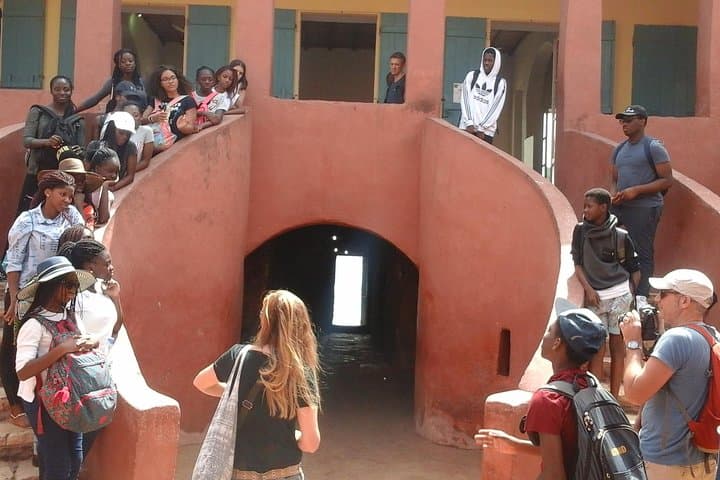
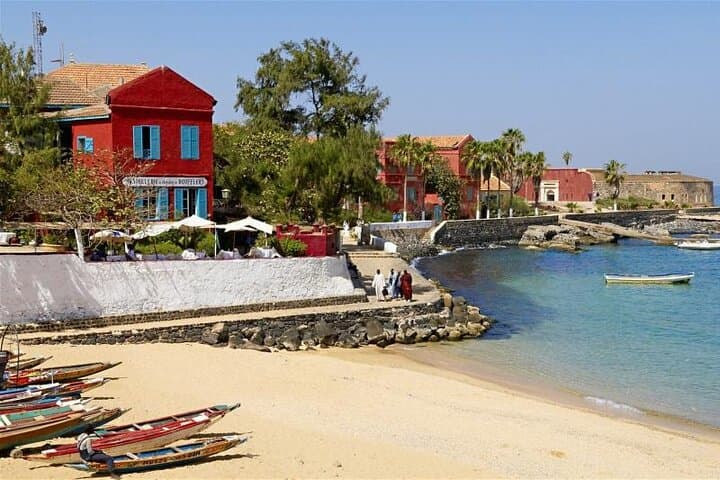
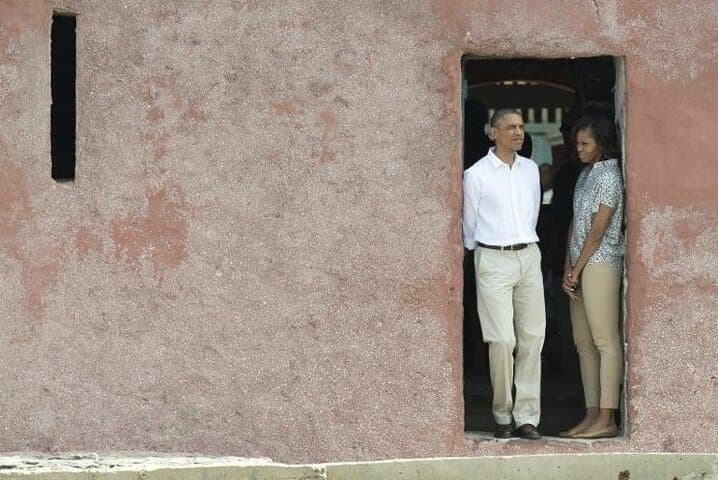
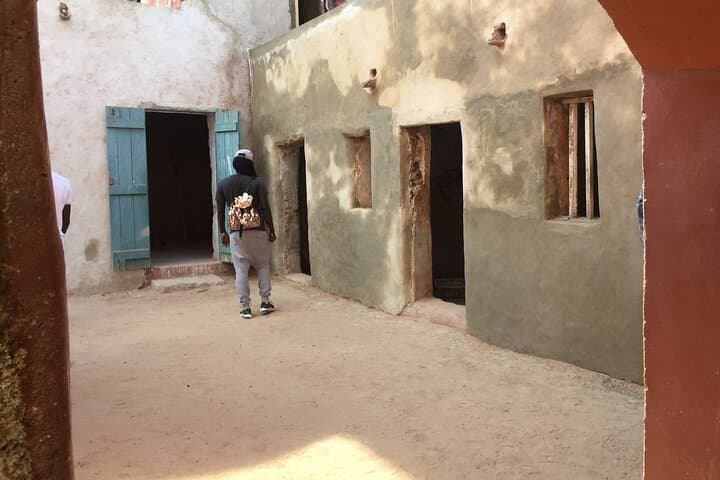
You step off the ferry and the Atlantic wind pushes against the island, carrying salt and the faint clack of wooden shutters. Narrow, sunlit lanes open onto painted facades and small courtyards; the House of Slaves sits quiet, its doorway a raw reminder of centuries of human movement and loss. Back on the mainland, Dakar’s Corniche hums with pirogues and roadside life—markets, minarets, and a skyline shaped by colonial stone and modern concrete.
You step off the ferry and the Atlantic wind pushes against the island, carrying salt and the faint clack of wooden shutters. Narrow, sunlit lanes open onto painted facades and small courtyards; the House of Slaves sits quiet, its doorway a raw reminder of centuries of human movement and loss. Back on the mainland, Dakar’s Corniche hums with pirogues and roadside life—markets, minarets, and a skyline shaped by colonial stone and modern concrete.
Gorée Island was a key port in the trans-Atlantic slave trade from the 15th–19th centuries; its layered architecture—European merchant houses above cramped holding rooms—tells a direct, painful story. Dakar’s urban fabric grew under French West Africa’s administration, leaving examples like the Palace of the Republic and Kermel Market, both reflecting late 19th- and early 20th-century designs adapted to coastal West Africa. Geologically, the coastline is low-lying with sandy promontories and rocky outcrops; the sea has long shaped trade and settlement patterns here.
Expect a mix of walking, short ferry transit, and time at curated sites: memorials, markets, a mosque with ocean views, and panoramic points such as the Monument de la Renaissance. Practical notes: carry sun protection, a reusable water bottle, wear closed-toe shoes for uneven cobbles and stairs, and bring your passport—the ferry and some entries require ID. Respect the solemnity of the House of Slaves: photography and behavior should be discreet. Aim to start early to avoid midday crowds and heat; the tour runs roughly 6–7 hours and is paced to combine context-led commentary with time to explore independently.