THE ADVENTURE COLLECTIVE® · Independent discovery and booking for outdoor travel

See the Great Pyramids, Sphinx, Saqqara’s Step Pyramid and ancient Memphis in one full day—plus a 30-minute camel ride. This practical guide covers what to expect, what’s included, timing, and how to prepare.
See the Great Pyramids, Sphinx, Saqqara’s Step Pyramid and ancient Memphis in one full day—plus a 30-minute camel ride. This practical guide covers what to expect, what’s included, timing, and how to prepare.
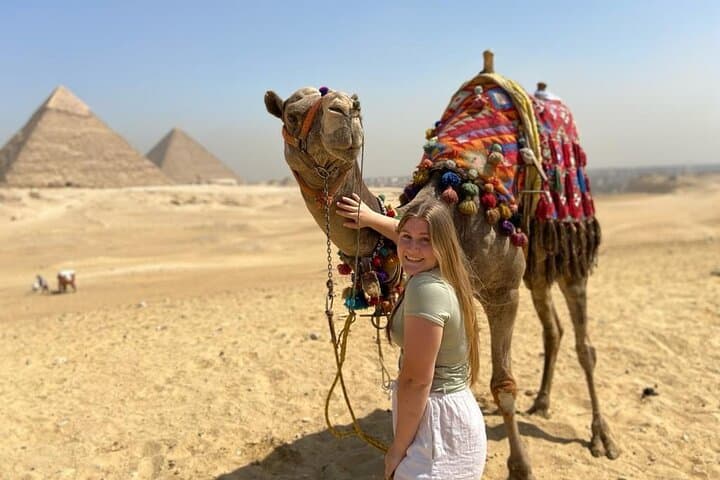
You arrive on the Giza plateau as sunlight slices across timeworn limestone—camels shuffle, vendors arrange postcards, and three blocky silhouettes dominate the horizon. The air smells faintly of dust and diesel; the scale of the Great Pyramid makes conversation small and immediate.
Verified experiences and guided adventures in the surrounding area.
Operated by Hola Egipto · Giza, Giza Governorate
You arrive on the Giza plateau as sunlight slices across timeworn limestone—camels shuffle, vendors arrange postcards, and three blocky silhouettes dominate the horizon. The air smells faintly of dust and diesel; the scale of the Great Pyramid makes conversation small and immediate.
This route strings together Egypt’s early capitals and funerary experiments: the Giza trio (Khufu/Cheops, Khafre, Menkaure), the enigmatic Sphinx guarding the plateau, Saqqara’s Step Pyramid of Djoser—often cited as the world’s first stone pyramid—and the open-air ruins of ancient Memphis, once the pharaonic administrative heart. Geologically, these monuments sit on a Tertiary limestone plateau formed from ancient seabeds; quarrying the same stone created both structure and setting.
Culturally the day is paced by guides who translate hieroglyphs into human stories, camel handlers who choreograph photos, and local artisans selling alabaster and papyrus. Expect brisk interaction: bargaining, tipping, and constant negotiation of space with other visitors.
Practical guide: the tour is about eight hours with private, air-conditioned transfers and a 30-minute camel ride included. Note that entrance fees to sites are typically not included—bring cash and your passport for ticketing. Wear sturdy closed shoes for uneven paths, sun protection, and carry at least 1–2 liters of water. Morning departures beat heat and crowds; late winter and spring offer the most comfortable conditions.
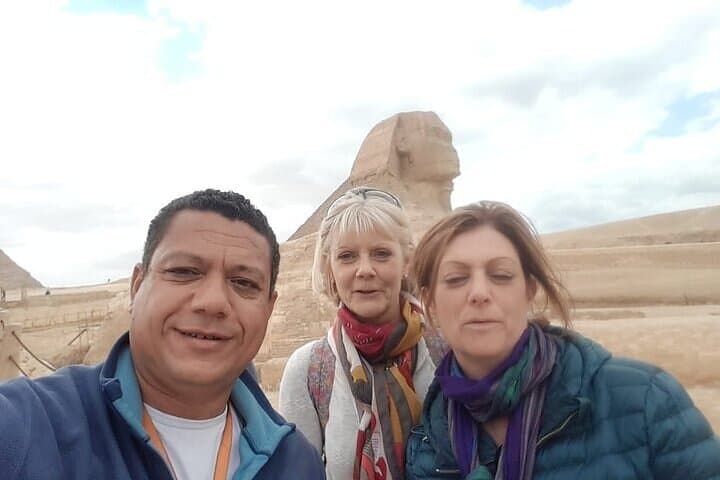
Safety and respect: don’t climb monuments, follow your guide’s route, and keep to designated paths to limit erosion. With basic preparation, this full-day circuit delivers archaeology, panorama, and the odd, unforgettable camel-frame selfie.
easy.
8 hours.
Suitable for most travelers who can walk short distances and manage uneven surfaces; minimal sustained exertion required.
No—this tour typically includes guide, transport, and a camel ride, but site entrance tickets are usually paid separately on the day.
Yes—this itinerary includes a 30-minute camel ride on the plateau; handlers manage the camels, but follow safety instructions and avoid sudden movements.
Yes—private, air-conditioned pick-up and drop-off transfers are provided; confirm your pickup point when booking.
The operator lists wheelchair-accessible services (mainly transfers), but on-site terrain at the pyramids and Saqqara is uneven—contact the provider to discuss accommodations in advance.
Memphis served as Egypt’s administrative capital in the Early Dynastic and Old Kingdom periods; Saqqara’s Step Pyramid (Djoser) marks a pivotal shift from mastaba tombs to monumental stone pyramids.
Visitor pressure contributes to erosion and wear—stay on marked paths, avoid touching reliefs, and heed guide instructions; support local conservation by choosing licensed operators.
Hola Egipto operates guided outdoor trips and adventures with an emphasis on safety, stewardship, and memorable experiences.


You arrive on the Giza plateau as sunlight slices across timeworn limestone—camels shuffle, vendors arrange postcards, and three blocky silhouettes dominate the horizon. The air smells faintly of dust and diesel; the scale of the Great Pyramid makes conversation small and immediate.
You arrive on the Giza plateau as sunlight slices across timeworn limestone—camels shuffle, vendors arrange postcards, and three blocky silhouettes dominate the horizon. The air smells faintly of dust and diesel; the scale of the Great Pyramid makes conversation small and immediate.
This route strings together Egypt’s early capitals and funerary experiments: the Giza trio (Khufu/Cheops, Khafre, Menkaure), the enigmatic Sphinx guarding the plateau, Saqqara’s Step Pyramid of Djoser—often cited as the world’s first stone pyramid—and the open-air ruins of ancient Memphis, once the pharaonic administrative heart. Geologically, these monuments sit on a Tertiary limestone plateau formed from ancient seabeds; quarrying the same stone created both structure and setting.
Culturally the day is paced by guides who translate hieroglyphs into human stories, camel handlers who choreograph photos, and local artisans selling alabaster and papyrus. Expect brisk interaction: bargaining, tipping, and constant negotiation of space with other visitors.
Practical guide: the tour is about eight hours with private, air-conditioned transfers and a 30-minute camel ride included. Note that entrance fees to sites are typically not included—bring cash and your passport for ticketing. Wear sturdy closed shoes for uneven paths, sun protection, and carry at least 1–2 liters of water. Morning departures beat heat and crowds; late winter and spring offer the most comfortable conditions.
Safety and respect: don’t climb monuments, follow your guide’s route, and keep to designated paths to limit erosion. With basic preparation, this full-day circuit delivers archaeology, panorama, and the odd, unforgettable camel-frame selfie.