THE ADVENTURE COLLECTIVE® · Independent discovery and booking for outdoor travel

A full-day circuit across Giza, Saqqara and Memphis that pairs the Great Pyramids and Sphinx with Egypt’s earliest stone pyramid and the ruins of the first capital. Expect guided history, uneven stone paths, desert exposure, and strong photographic opportunities.
A full-day circuit across Giza, Saqqara and Memphis that pairs the Great Pyramids and Sphinx with Egypt’s earliest stone pyramid and the ruins of the first capital. Expect guided history, uneven stone paths, desert exposure, and strong photographic opportunities.
You step onto the Giza Plateau as the desert air cools and the three great pyramids rise like carved geometry against a wide sky. Wind scrapes sand across limestone, and the scale of Khufu’s mound becomes a measuring rod for human labor and time.
Verified experiences and guided adventures in the surrounding area.
Operated by Wonders of Egypt Tours · Giza, Giza Governorate
You step onto the Giza Plateau as the desert air cools and the three great pyramids rise like carved geometry against a wide sky. Wind scrapes sand across limestone, and the scale of Khufu’s mound becomes a measuring rod for human labor and time.
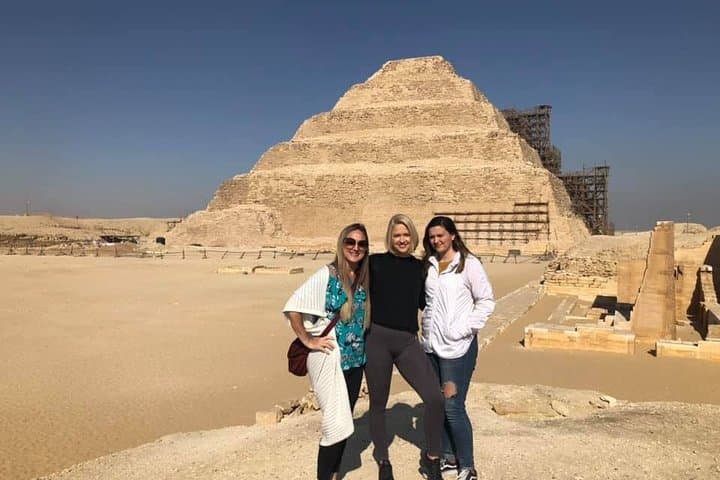
This route stitches together millennia: Giza’s Bronze-Age giants and the Great Sphinx carved from bedrock; Saqqara’s Step Pyramid of Djoser—Imhotep’s early stone experiment from the Third Dynasty; and Memphis, the ancient capital where colossi and alabaster sphinxes once lined processional ways. Geologically, the plateau’s Tura and Mokattam limestones give the monuments their pale, hard faces; culturally, the sites map Egypt’s shift from local nomes to a united kingdom.
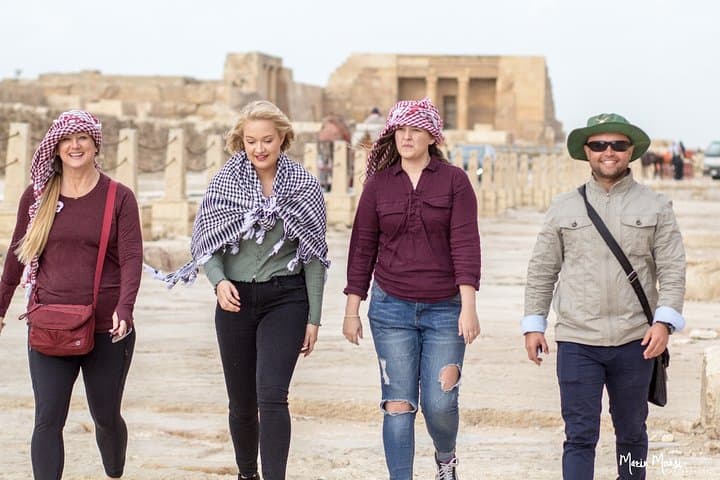
Expect flat walking with intermittent uneven stone, short stair sections, and open desert exposure. Guides explain burial practices, hieroglyphic panels, and the logistics behind moving multi-ton blocks. The tour includes time for panoramic photos, on-site explanations, lunch, and returns to Cairo by late afternoon.
Practical edge: wear sturdy walking shoes, sun protection, and carry at least 1–2 liters of water. Respect marked barriers—climbing is prohibited and damages fragile masonry. Plan for dust, loud vendors around tourist hubs, and brief security checks. Early starts reduce heat and crowds; late afternoons throw long shadows for better photos. Support licensed Egyptologist guides and local conservation efforts by following site rules and minimizing single-use plastics. With basic preparation, this full-day circuit is an efficient, immersive way to see Egypt’s defining monuments and understand the engineering and belief systems that created them.
easy.
7–8 hours.
Light to moderate walking ability; mostly standing and short paved/unpaved walks between sites
This tour’s itinerary notes admission included for the listed sites; confirm at booking if any optional entries (e.g., Solar Boat Museum) are extra.
Yes—hotel pickup and drop-off are included; specify your pickup point when booking.
Access to internal chambers varies by preservation rules and ticket types; internal entry is often limited and may require additional tickets.
Lightweight, respectful clothing that covers shoulders and knees is appropriate; comfortable shoes and sun protection are recommended.
The Great Pyramid of Khufu dates to around 2560 BCE and is the only surviving Wonder of the Ancient World; Saqqara’s Step Pyramid predates it by centuries as the earliest large stone structure.
High visitor numbers and wind-borne sand stress ancient stone—follow barriers, avoid touching reliefs, and use designated paths to reduce erosion.
Wonders of Egypt Tours operates guided outdoor trips and adventures with an emphasis on safety, stewardship, and memorable experiences.
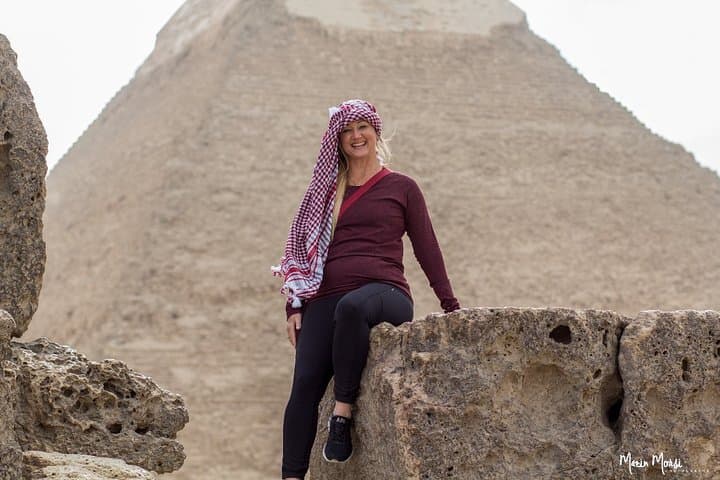
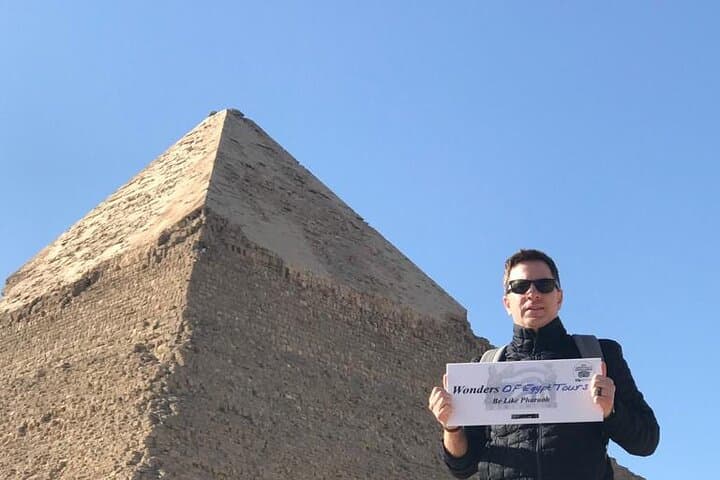
You step onto the Giza Plateau as the desert air cools and the three great pyramids rise like carved geometry against a wide sky. Wind scrapes sand across limestone, and the scale of Khufu’s mound becomes a measuring rod for human labor and time.
You step onto the Giza Plateau as the desert air cools and the three great pyramids rise like carved geometry against a wide sky. Wind scrapes sand across limestone, and the scale of Khufu’s mound becomes a measuring rod for human labor and time.
This route stitches together millennia: Giza’s Bronze-Age giants and the Great Sphinx carved from bedrock; Saqqara’s Step Pyramid of Djoser—Imhotep’s early stone experiment from the Third Dynasty; and Memphis, the ancient capital where colossi and alabaster sphinxes once lined processional ways. Geologically, the plateau’s Tura and Mokattam limestones give the monuments their pale, hard faces; culturally, the sites map Egypt’s shift from local nomes to a united kingdom.
Expect flat walking with intermittent uneven stone, short stair sections, and open desert exposure. Guides explain burial practices, hieroglyphic panels, and the logistics behind moving multi-ton blocks. The tour includes time for panoramic photos, on-site explanations, lunch, and returns to Cairo by late afternoon.
Practical edge: wear sturdy walking shoes, sun protection, and carry at least 1–2 liters of water. Respect marked barriers—climbing is prohibited and damages fragile masonry. Plan for dust, loud vendors around tourist hubs, and brief security checks. Early starts reduce heat and crowds; late afternoons throw long shadows for better photos. Support licensed Egyptologist guides and local conservation efforts by following site rules and minimizing single-use plastics. With basic preparation, this full-day circuit is an efficient, immersive way to see Egypt’s defining monuments and understand the engineering and belief systems that created them.