THE ADVENTURE COLLECTIVE® · Independent discovery and booking for outdoor travel

From Alexandria Port to the Giza Plateau, this full-day private tour packs the Great Pyramid, the Sphinx, Memphis and Saqqara into a single, well-paced itinerary. Expect long drives, expert guides, and close-up encounters with some of Egypt's oldest stonework.
From Alexandria Port to the Giza Plateau, this full-day private tour packs the Great Pyramid, the Sphinx, Memphis and Saqqara into a single, well-paced itinerary. Expect long drives, expert guides, and close-up encounters with some of Egypt's oldest stonework.
You step from the air-conditioned van and the desert opens like a page of recorded time — wind lifting dust, limestone blocks laying out a skyline older than language. The Great Pyramid looms ahead, geometric and massive; the Sphinx watches with a weathered calm. This is a day that moves fast: pickup at Alexandria Port, a highway drive to Giza, and a steady itinerary through the core monuments of Egypt's Old Kingdom.
Verified experiences and guided adventures in the surrounding area.
Operated by Egipto Excursiones · Giza, Giza Governorate
You step from the air-conditioned van and the desert opens like a page of recorded time — wind lifting dust, limestone blocks laying out a skyline older than language. The Great Pyramid looms ahead, geometric and massive; the Sphinx watches with a weathered calm. This is a day that moves fast: pickup at Alexandria Port, a highway drive to Giza, and a steady itinerary through the core monuments of Egypt's Old Kingdom.
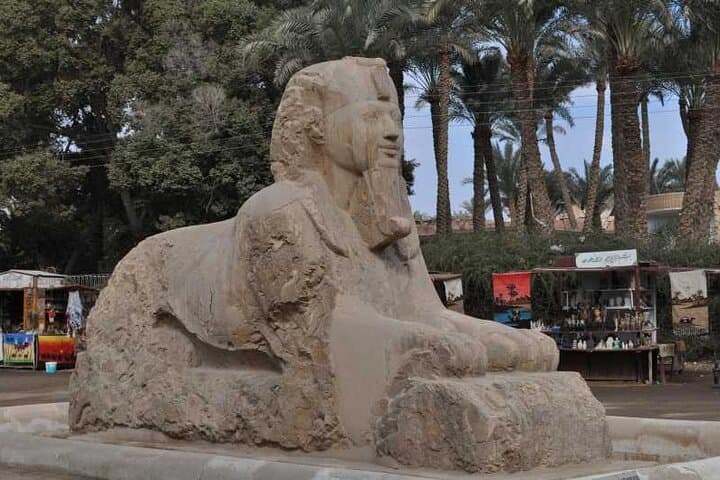
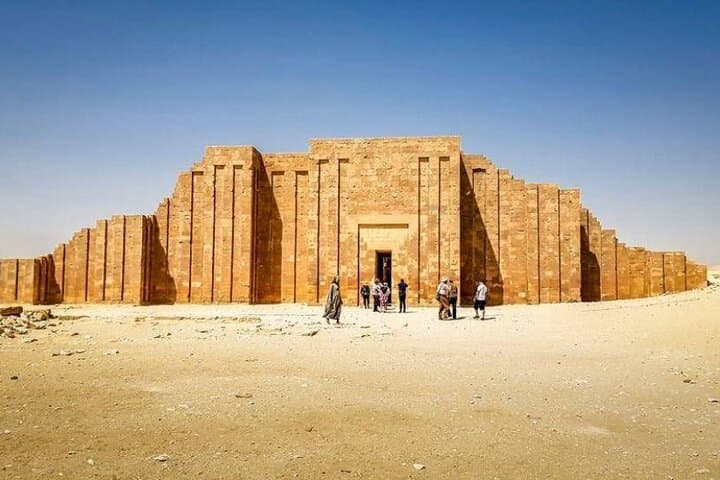
The route threads the engineering achievements of the Fourth Dynasty at Giza, then sweeps to Memphis — once the thriving capital where colossal statues of Ramses II mark human scale against stone — and south to Saqqara, home to Djoser’s Step Pyramid, the blueprint for later royal tombs. Geology is readable in the rock: local limestones quarried for mortuary architecture, desert pavements that preserve thousands of years of erosion and human footprints.
Culturally the day is layered: temple rituals, funerary inscriptions like the Pyramid Texts in Saqqara, and modern Cairo’s relationship to its ancient past. Local guides translate names, dates, and function into vivid context while you move between shaded courtyards and exposed plateau.
Practical points: expect a long, mostly flat day on paved and compacted surfaces with short uphill sections near tomb entrances. Bring sun protection, a reusable water bottle, and comfortable shoes for walking on uneven stone. Photography is allowed in most exterior areas but interior entry (e.g., pharaoh chamber access) is subject to extra tickets and limited openings. Timed logistics from the port mean the schedule is fixed; plan for a 10–12 hour outing and keep passport copies handy for port transfers.
easy.
10–12 hours.
Suitable for most fitness levels; involves several hours of walking with short standing periods, minimal elevation change
Basic entrance fees listed by the operator are included; optional interior access to some pyramids or special tombs may require additional tickets on site.
Travel time is roughly 2.5–3.5 hours each way depending on traffic; the full tour is planned as a long day of about 10–12 hours.
Yes — the tour is rated easy physically, but not recommended for those with serious spinal, heart conditions or pregnant travelers due to long transfers and some uneven terrain.
Exterior photography is generally allowed; interior photography rules vary and some interiors (like certain pyramid chambers) are restricted or require separate permits.
Memphis served as Egypt’s early capital around 3100 BC; Saqqara’s Step Pyramid by Djoser marks the beginning of multi-tiered stone tomb construction.
Visitor impact is managed through controlled access and ticketing; avoid touching reliefs, dispose of waste off-site, and follow guide instructions to protect fragile surfaces.
Egipto Excursiones operates guided outdoor trips and adventures with an emphasis on safety, stewardship, and memorable experiences.
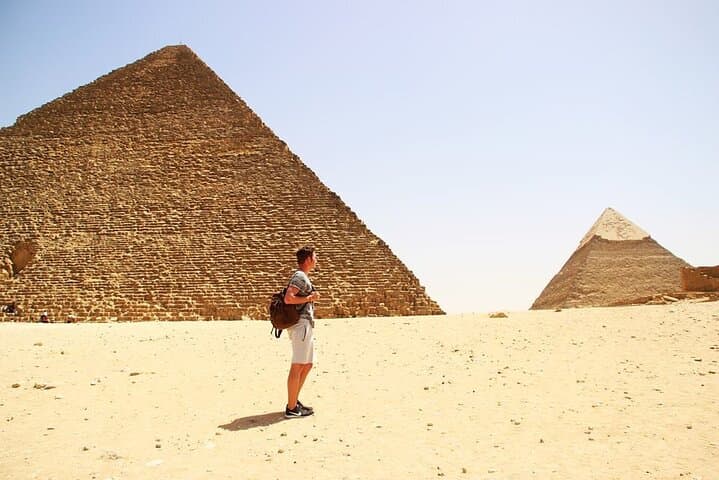
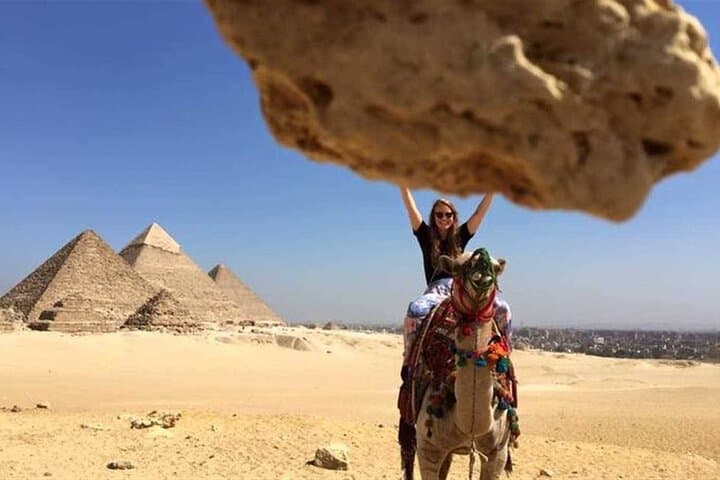
You step from the air-conditioned van and the desert opens like a page of recorded time — wind lifting dust, limestone blocks laying out a skyline older than language. The Great Pyramid looms ahead, geometric and massive; the Sphinx watches with a weathered calm. This is a day that moves fast: pickup at Alexandria Port, a highway drive to Giza, and a steady itinerary through the core monuments of Egypt's Old Kingdom.
You step from the air-conditioned van and the desert opens like a page of recorded time — wind lifting dust, limestone blocks laying out a skyline older than language. The Great Pyramid looms ahead, geometric and massive; the Sphinx watches with a weathered calm. This is a day that moves fast: pickup at Alexandria Port, a highway drive to Giza, and a steady itinerary through the core monuments of Egypt's Old Kingdom.
The route threads the engineering achievements of the Fourth Dynasty at Giza, then sweeps to Memphis — once the thriving capital where colossal statues of Ramses II mark human scale against stone — and south to Saqqara, home to Djoser’s Step Pyramid, the blueprint for later royal tombs. Geology is readable in the rock: local limestones quarried for mortuary architecture, desert pavements that preserve thousands of years of erosion and human footprints.
Culturally the day is layered: temple rituals, funerary inscriptions like the Pyramid Texts in Saqqara, and modern Cairo’s relationship to its ancient past. Local guides translate names, dates, and function into vivid context while you move between shaded courtyards and exposed plateau.
Practical points: expect a long, mostly flat day on paved and compacted surfaces with short uphill sections near tomb entrances. Bring sun protection, a reusable water bottle, and comfortable shoes for walking on uneven stone. Photography is allowed in most exterior areas but interior entry (e.g., pharaoh chamber access) is subject to extra tickets and limited openings. Timed logistics from the port mean the schedule is fixed; plan for a 10–12 hour outing and keep passport copies handy for port transfers.