THE ADVENTURE COLLECTIVE® · Independent discovery and booking for outdoor travel

Combine the monumental Giza Plateau with the artifact-rich Egyptian Museum in one informed, comfortable day. This private tour pairs expert interpretation with private transport and lunch — ideal for first-time visitors who want context as well as spectacle.
Combine the monumental Giza Plateau with the artifact-rich Egyptian Museum in one informed, comfortable day. This private tour pairs expert interpretation with private transport and lunch — ideal for first-time visitors who want context as well as spectacle.
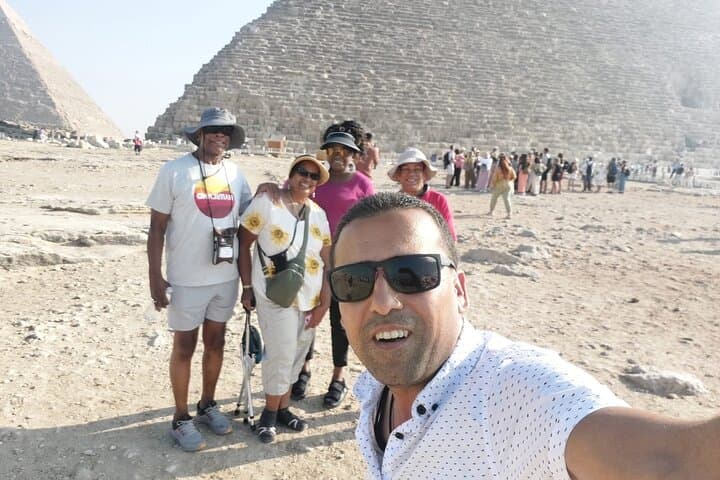
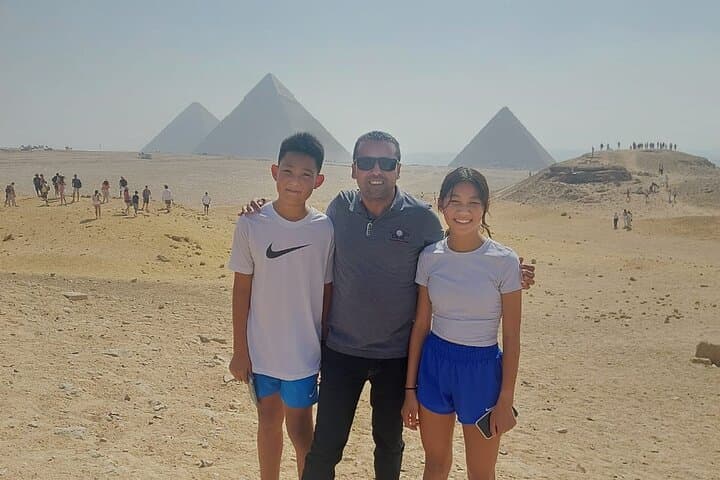
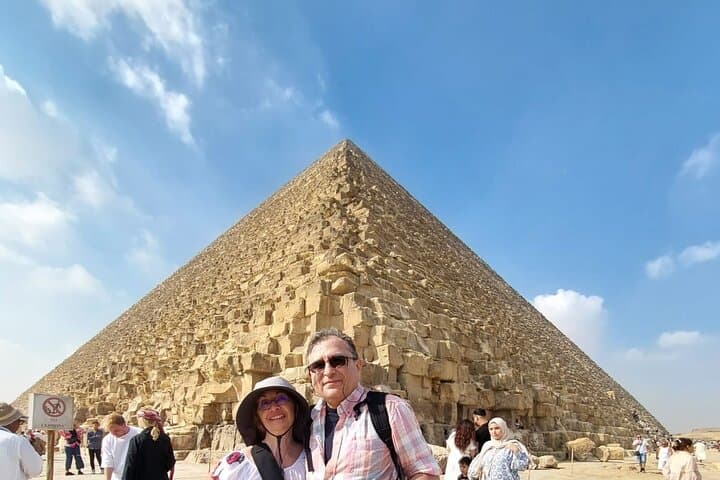
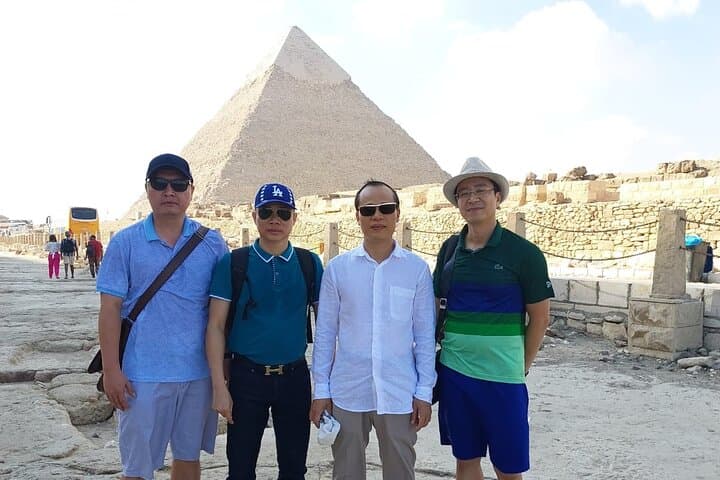
You step from air-conditioned transport onto a wide, sun-baked plateau where limestone blocks stack into sharp geometry and the Great Pyramid looms, patient and immense. A cool breeze off the Nile tries to steady the heat; the Sphinx watches, unmoved, its gaze fixed across millennia.
Verified experiences and guided adventures in the surrounding area.
Operated by Traveler Egypt · Giza, Giza Governorate
You step from air-conditioned transport onto a wide, sun-baked plateau where limestone blocks stack into sharp geometry and the Great Pyramid looms, patient and immense. A cool breeze off the Nile tries to steady the heat; the Sphinx watches, unmoved, its gaze fixed across millennia.
The day links two very different chapters of Egypt’s past: the colossal funerary architecture of the Giza Plateau and the dense, object-rich galleries of the Egyptian Museum at Tahrir. Geology here is obvious — wind-polished desertstone and casing blocks, reused and weathered — while the museum strings together the material life of dynasties: gold funerary masks, sarcophagi, and statuary that show how religion, craft and administration shaped a civilization.
Local culture threads through the visit: guides decode hieroglyphs and cartouches, vendors offer cold drinks, and camel handlers await on the periphery. The tour typically includes private transport, an expert guide, entrance fees and lunch, letting travelers focus on seeing the monuments rather than logistics.
Practical matters matter: start early to avoid crowds and midday heat, wear sturdy shoes for uneven limestone and sandy tracks, and carry at least 2 liters of water. Photography is allowed in most outdoor areas, but interiors and certain museum rooms may restrict flash or tripods. Accessibility is better than on past decades, but surfaces remain uneven; plan additional time if mobility is limited. With a full day and a patient guide, visitors can move from skyline-defining pyramids to the intimate artifacts that explain why those stones were built.
easy.
8–9 hours.
Suitable for most fitness levels; participants should be able to walk on uneven ground for several hours
Yes — this tour includes entrance fees to the Giza Plateau sites and the Egyptian Museum as listed.
Private air-conditioned transport is provided; confirm pick-up location when booking.
Interior access varies by site and tickets; the tour operator will advise on options and any additional fees at booking.
The operator lists wheelchair-accessible transport and some accessible surfaces, but the plateau itself has uneven terrain — discuss specific needs before booking.
The Giza Plateau dates to Egypt’s Fourth Dynasty (c. 2600–2500 BCE); the Egyptian Museum in Tahrir collects artifacts spanning millennia, including Tutankhamun’s treasures.
High visitor numbers and desert erosion challenge conservation; stick to marked paths, avoid climbing monuments, and support tours that follow Antiquities Authority guidelines.
Traveler Egypt operates guided outdoor trips and adventures with an emphasis on safety, stewardship, and memorable experiences.
You step from air-conditioned transport onto a wide, sun-baked plateau where limestone blocks stack into sharp geometry and the Great Pyramid looms, patient and immense. A cool breeze off the Nile tries to steady the heat; the Sphinx watches, unmoved, its gaze fixed across millennia.
You step from air-conditioned transport onto a wide, sun-baked plateau where limestone blocks stack into sharp geometry and the Great Pyramid looms, patient and immense. A cool breeze off the Nile tries to steady the heat; the Sphinx watches, unmoved, its gaze fixed across millennia.
The day links two very different chapters of Egypt’s past: the colossal funerary architecture of the Giza Plateau and the dense, object-rich galleries of the Egyptian Museum at Tahrir. Geology here is obvious — wind-polished desertstone and casing blocks, reused and weathered — while the museum strings together the material life of dynasties: gold funerary masks, sarcophagi, and statuary that show how religion, craft and administration shaped a civilization.
Local culture threads through the visit: guides decode hieroglyphs and cartouches, vendors offer cold drinks, and camel handlers await on the periphery. The tour typically includes private transport, an expert guide, entrance fees and lunch, letting travelers focus on seeing the monuments rather than logistics.
Practical matters matter: start early to avoid crowds and midday heat, wear sturdy shoes for uneven limestone and sandy tracks, and carry at least 2 liters of water. Photography is allowed in most outdoor areas, but interiors and certain museum rooms may restrict flash or tripods. Accessibility is better than on past decades, but surfaces remain uneven; plan additional time if mobility is limited. With a full day and a patient guide, visitors can move from skyline-defining pyramids to the intimate artifacts that explain why those stones were built.