THE ADVENTURE COLLECTIVE® · Independent discovery and booking for outdoor travel

Spend a full day moving between the open scale of Giza’s pyramids and the quiet rooms of the Egyptian Museum. This private tour pairs outdoor exploration with museum context, practical logistics, and local food.
Spend a full day moving between the open scale of Giza’s pyramids and the quiet rooms of the Egyptian Museum. This private tour pairs outdoor exploration with museum context, practical logistics, and local food.
You step out of an air-conditioned minivan into a wash of dry light and the stone silhouettes of three pyramids rise, sudden and blunt against the sky. The Sphinx watches as you approach, its eroded face holding more stories than the guide will tell before lunch. This is a day that moves between open desert and climate-controlled galleries, between the scale of ancient builders and the small, intimate craft of museum display.
Verified experiences and guided adventures in the surrounding area.
Operated by Lady Egypt Tours · Giza, Cairo Governorate
You step out of an air-conditioned minivan into a wash of dry light and the stone silhouettes of three pyramids rise, sudden and blunt against the sky. The Sphinx watches as you approach, its eroded face holding more stories than the guide will tell before lunch. This is a day that moves between open desert and climate-controlled galleries, between the scale of ancient builders and the small, intimate craft of museum display.
Giza Plateau is a geological terrace of Eocene limestone carved by wind and time; the pyramids themselves are construction feats from Egypt’s Old Kingdom (c. 2600–2500 BCE). Later, the Egyptian Museum in downtown Cairo houses New Kingdom treasures—most famously Tutankhamen’s gold mask—offering a counterpoint to the raw monumentality at Giza. Along the route you’ll drive through modern Cairo neighborhoods, catch glimpses of the Nile’s green ribbon, and touch a continuous human story that spans millennia.
Practically: most full-day tours start early (many around 7 a.m.), include guided time on the plateau, a sit-down lunch at a local restaurant, then a museum visit. Expect 2–4 hours outside at Giza with short walks, uneven surfaces, and vehicle transfers. Bring sun protection, comfortable walking shoes, a photocopy of your passport, and small local currency for tips and vendors. Pace yourself for heat and crowds: morning light is best for photos and afternoon is cooler for museum galleries. The trip balances spectacle with detail—stone that dares you to imagine the hands that shaped it, and artifacts that make those hands human again.
easy.
8–12 hours.
Suitable for travelers of average fitness; involves short walks, uneven ground, and standing periods.
Entrance fees vary by tour; confirm with the operator—some include museum fees and pyramid-area access while others charge them separately.
Expect roughly 2–4 hours at Giza (including walks and photo stops) and 1–2 hours at the Egyptian Museum, depending on traffic and group pace.
Yes—most operators request dietary needs at booking and will arrange a suitable lunch at a local restaurant.
Many modern vehicles and museum areas are accessible, but Giza’s terrain remains uneven; communicate needs at booking to confirm arrangements.
The Giza pyramids were built during Egypt's Old Kingdom as tomb complexes for pharaohs; Cairo’s Egyptian Museum collects artifacts spanning millennia, including royal funerary goods from the New Kingdom.
High visitor numbers and urban pressure affect the monuments and sites—stick to paths, avoid touching ancient stone, and use local guides who follow agreed conservation guidelines.
Lady Egypt Tours operates guided outdoor trips and adventures with an emphasis on safety, stewardship, and memorable experiences.
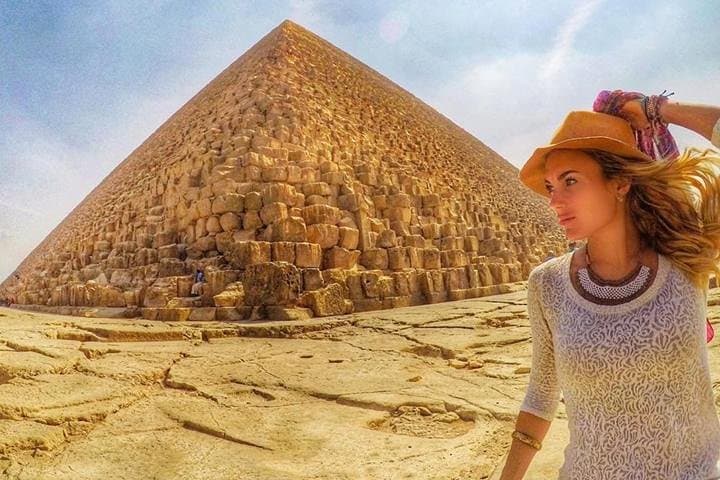
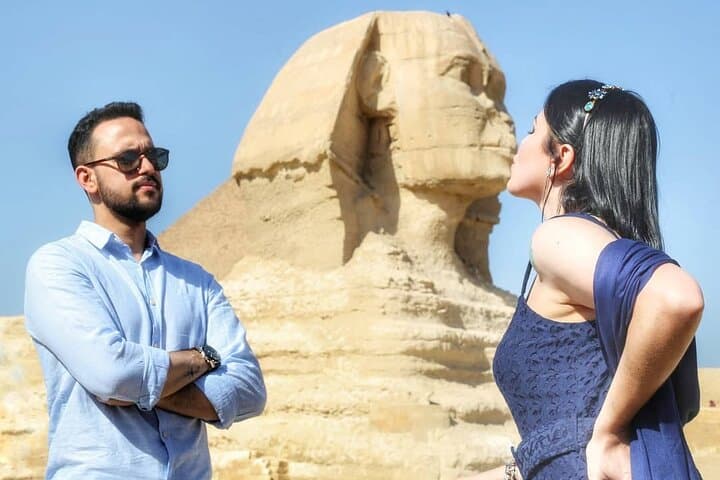
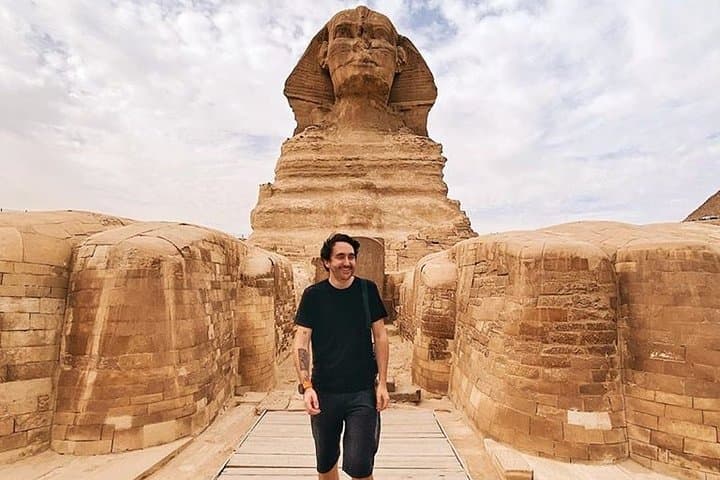
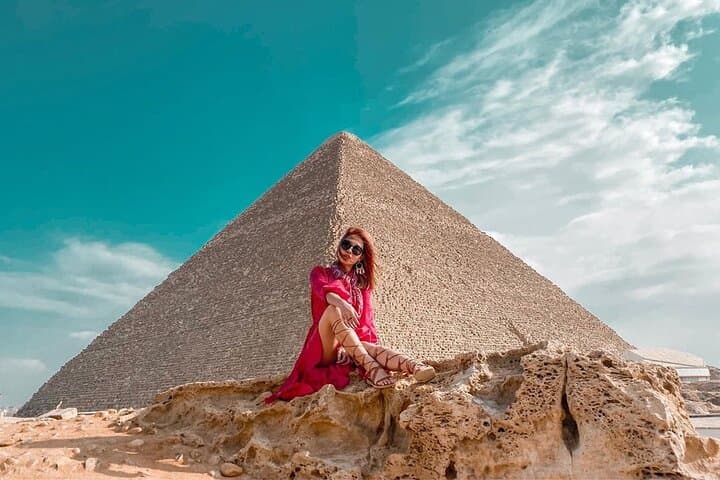
You step out of an air-conditioned minivan into a wash of dry light and the stone silhouettes of three pyramids rise, sudden and blunt against the sky. The Sphinx watches as you approach, its eroded face holding more stories than the guide will tell before lunch. This is a day that moves between open desert and climate-controlled galleries, between the scale of ancient builders and the small, intimate craft of museum display.
You step out of an air-conditioned minivan into a wash of dry light and the stone silhouettes of three pyramids rise, sudden and blunt against the sky. The Sphinx watches as you approach, its eroded face holding more stories than the guide will tell before lunch. This is a day that moves between open desert and climate-controlled galleries, between the scale of ancient builders and the small, intimate craft of museum display.
Giza Plateau is a geological terrace of Eocene limestone carved by wind and time; the pyramids themselves are construction feats from Egypt’s Old Kingdom (c. 2600–2500 BCE). Later, the Egyptian Museum in downtown Cairo houses New Kingdom treasures—most famously Tutankhamen’s gold mask—offering a counterpoint to the raw monumentality at Giza. Along the route you’ll drive through modern Cairo neighborhoods, catch glimpses of the Nile’s green ribbon, and touch a continuous human story that spans millennia.
Practically: most full-day tours start early (many around 7 a.m.), include guided time on the plateau, a sit-down lunch at a local restaurant, then a museum visit. Expect 2–4 hours outside at Giza with short walks, uneven surfaces, and vehicle transfers. Bring sun protection, comfortable walking shoes, a photocopy of your passport, and small local currency for tips and vendors. Pace yourself for heat and crowds: morning light is best for photos and afternoon is cooler for museum galleries. The trip balances spectacle with detail—stone that dares you to imagine the hands that shaped it, and artifacts that make those hands human again.