THE ADVENTURE COLLECTIVE® · Independent discovery and booking for outdoor travel

Spend a private day moving from the monumental scale of Giza’s pyramids to the intimate calm of a Nile felucca. This full-day tour pairs archaeology, museum highlights, and a riverside sail with practical local logistics.
Spend a private day moving from the monumental scale of Giza’s pyramids to the intimate calm of a Nile felucca. This full-day tour pairs archaeology, museum highlights, and a riverside sail with practical local logistics.
Sunrise softens the edges of the Giza plateau; wind nudges fine sand across the faces of the Great Pyramid while the Sphinx watches traffic in slow, patient judgment. You meet your private Egyptologist, step close enough to feel the scale of carved limestone, then move into Cairo’s dense urban heartbeat—museums, mosques, and the lazy green sweep of the Nile.
Verified experiences and guided adventures in the surrounding area.
Operated by Hesham Egypt tour guide · Giza, Cairo Governorate
Sunrise softens the edges of the Giza plateau; wind nudges fine sand across the faces of the Great Pyramid while the Sphinx watches traffic in slow, patient judgment. You meet your private Egyptologist, step close enough to feel the scale of carved limestone, then move into Cairo’s dense urban heartbeat—museums, mosques, and the lazy green sweep of the Nile.
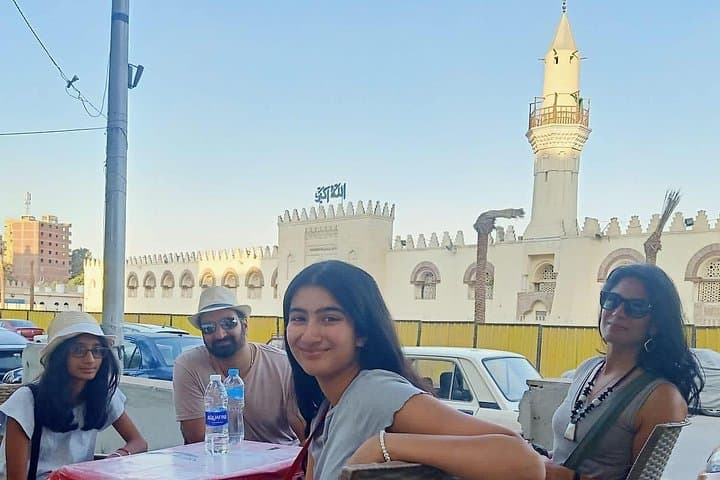
The Giza monuments date to the Fourth Dynasty, built from local limestone and quarried blocks that still reveal tool marks and ancient construction logic. The Egyptian Museum in Tahrir houses Tutankhamen’s mask and mummified royalty, objects that map a civilization’s rituals around death and kingship. Al-Azhar Mosque offers a different layer: medieval learning, Mamluk carvings, and a living sermon tradition. Geologically, the plateau’s bedrock provided the stable base for massive construction; culturally, the sites sit at the intersection of millennia of urban life.
In the afternoon a felucca eases on the Nile, its sail catching current and city breeze; local perch dart at the boat’s shadow. The ride is deliberate—water pushing you forward, the river offering a softer tempo than the city streets.
Practical guidance: this is a full eight-hour day with moderate walking on uneven surfaces and steps. Dress in light, sun-protective layers and bring a hat, sunscreen, and modest clothing for mosque visits. Hydrate often; bottled water is usually provided but carry extras. Expect moderate bargaining at Khan el-Khalili and have Egyptian pounds handy. Photography is allowed at most outdoor sites but check restrictions inside the museum and at some mosque areas. Your private vehicle will handle transfers, but be prepared for Cairo traffic during peak hours.
moderate.
8 hours.
Suitable for most people who can walk 2–4 miles on uneven ground and handle stairs and short climbs
Most private tours exclude national monument entrance fees and museum tickets; confirm with your operator before arrival.
This itinerary includes a one-hour felucca ride; it’s typically private for your party as part of the tour package.
Yes; the tour is family-friendly and marked suitable for all fitness levels, but child rates may require sharing with two paying adults.
Visa requirements depend on nationality—many travelers obtain a visa on arrival or e-visa; check current entry rules and routine vaccinations before travel.
The Giza pyramids were constructed around 4,500 years ago for pharaohs as monumental tombs; subsequent layers of Roman, Islamic, and modern Cairo developed around this ancient hub.
Visitor pressure and urban pollution are ongoing concerns; stick to marked paths, avoid touching fragile masonry, and refuse single-use plastics to reduce your footprint.
Hesham Egypt tour guide operates guided outdoor trips and adventures with an emphasis on safety, stewardship, and memorable experiences.
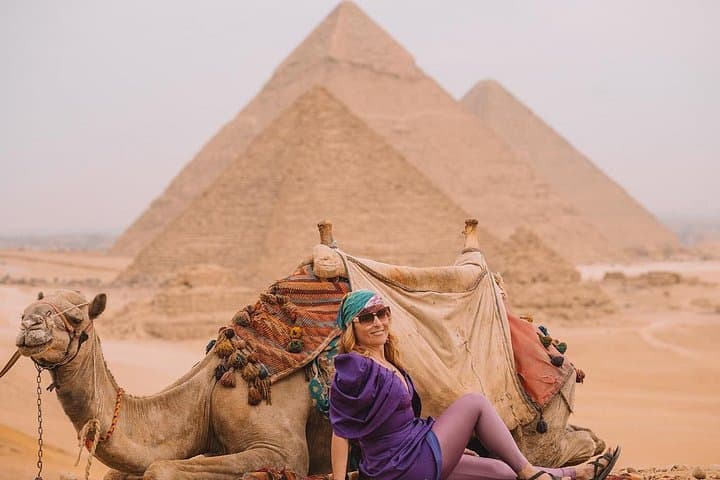
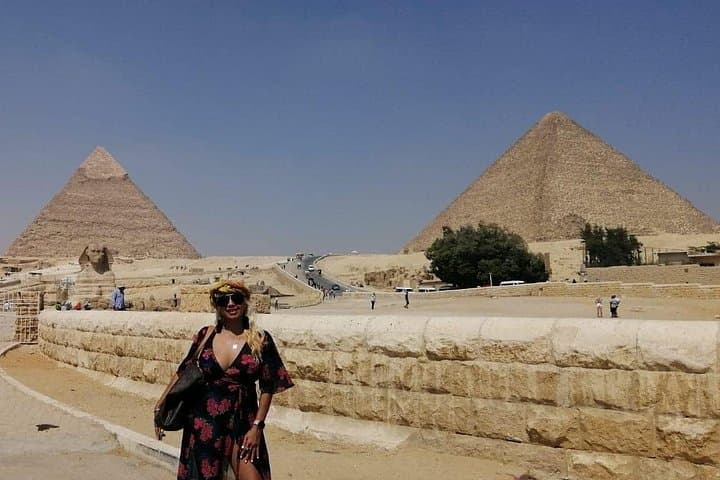
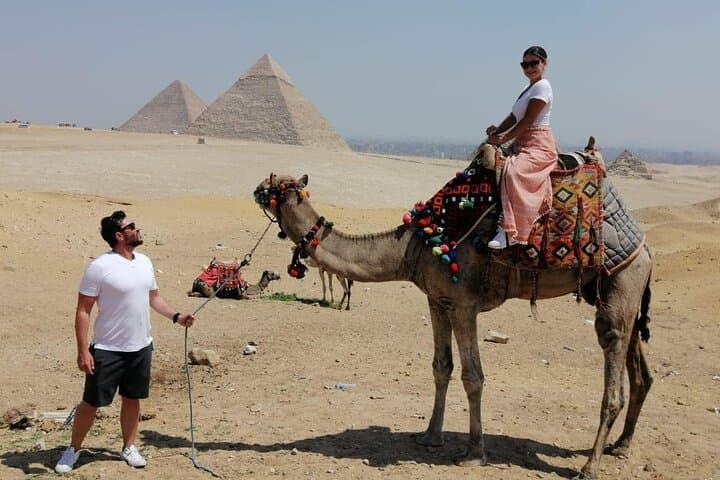
Sunrise softens the edges of the Giza plateau; wind nudges fine sand across the faces of the Great Pyramid while the Sphinx watches traffic in slow, patient judgment. You meet your private Egyptologist, step close enough to feel the scale of carved limestone, then move into Cairo’s dense urban heartbeat—museums, mosques, and the lazy green sweep of the Nile.
Sunrise softens the edges of the Giza plateau; wind nudges fine sand across the faces of the Great Pyramid while the Sphinx watches traffic in slow, patient judgment. You meet your private Egyptologist, step close enough to feel the scale of carved limestone, then move into Cairo’s dense urban heartbeat—museums, mosques, and the lazy green sweep of the Nile.
The Giza monuments date to the Fourth Dynasty, built from local limestone and quarried blocks that still reveal tool marks and ancient construction logic. The Egyptian Museum in Tahrir houses Tutankhamen’s mask and mummified royalty, objects that map a civilization’s rituals around death and kingship. Al-Azhar Mosque offers a different layer: medieval learning, Mamluk carvings, and a living sermon tradition. Geologically, the plateau’s bedrock provided the stable base for massive construction; culturally, the sites sit at the intersection of millennia of urban life.
In the afternoon a felucca eases on the Nile, its sail catching current and city breeze; local perch dart at the boat’s shadow. The ride is deliberate—water pushing you forward, the river offering a softer tempo than the city streets.
Practical guidance: this is a full eight-hour day with moderate walking on uneven surfaces and steps. Dress in light, sun-protective layers and bring a hat, sunscreen, and modest clothing for mosque visits. Hydrate often; bottled water is usually provided but carry extras. Expect moderate bargaining at Khan el-Khalili and have Egyptian pounds handy. Photography is allowed at most outdoor sites but check restrictions inside the museum and at some mosque areas. Your private vehicle will handle transfers, but be prepared for Cairo traffic during peak hours.