THE ADVENTURE COLLECTIVE® · Independent discovery and booking for outdoor travel

Spend a single day moving from the Giza Plateau to the Egyptian Museum and finish with a buffet dinner on a Nile cruise—an efficient, immersive introduction to ancient Egypt with practical tips for timing, gear and local customs.
Spend a single day moving from the Giza Plateau to the Egyptian Museum and finish with a buffet dinner on a Nile cruise—an efficient, immersive introduction to ancient Egypt with practical tips for timing, gear and local customs.
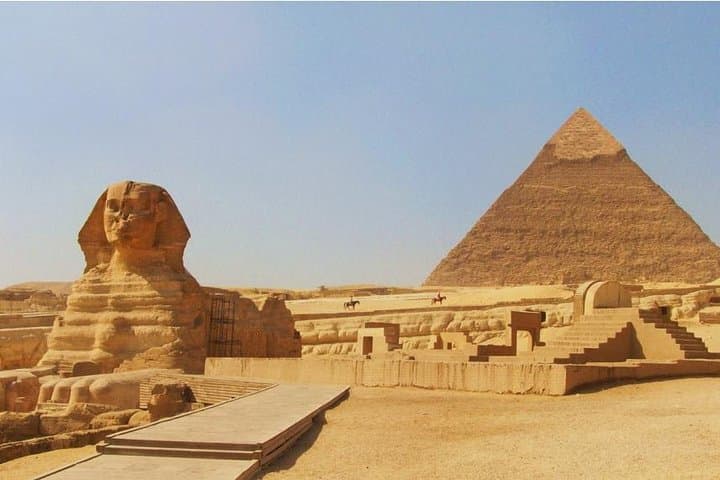
You arrive at the Giza Plateau as the late-morning sun throws hard edges across limestone blocks; tourists thread between camels, and the three great pyramids loom large enough to change your sense of scale. The Sphinx watches from its stone bench while guides point out angles that once aligned with stars.
Verified experiences and guided adventures in the surrounding area.
Operated by Holiday in Egypt Travels · Giza, Giza Governorate
You arrive at the Giza Plateau as the late-morning sun throws hard edges across limestone blocks; tourists thread between camels, and the three great pyramids loom large enough to change your sense of scale. The Sphinx watches from its stone bench while guides point out angles that once aligned with stars.
The day folds through layers of time: the pyramids—Cheops, Chephren, and Mykerinus—are geological monuments of Tura limestone and Bedouin grit, raised by coordinated labor and ingenuity more than 4,500 years ago. The nearby Egyptian Museum collects the smaller objects of empire: gold funerary masks, painted coffins and the Tutankhamen trove, each piece a practical clue to burial rites, craft and court life.
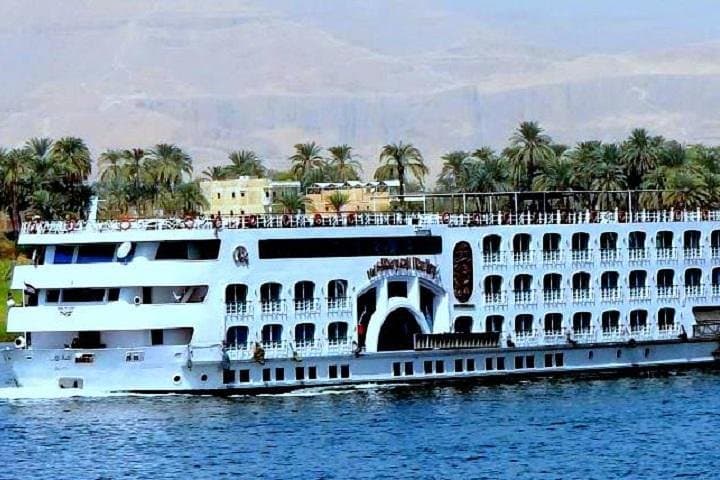
Culture here is visible in markets and in the Nile itself, which has shaped settlement, agriculture and ceremony for millennia. A late-afternoon lunch offers local dishes, while an evening buffet aboard a Nile cruise turns the river into a moving stage—belly dancers and live musicians animate modern Cairo’s appetite for performance.
Practical guidance: expect a 6–8 hour day with easy walking on uneven, sandy surfaces; comfortable, sturdy shoes and sun protection are essential. Bring photocopies of your passport and enough cash for small purchases and tips. Photography is allowed at most sites but mind signage and staff instructions. If heat is a concern, schedule the plateau portion for morning and the museum during the hottest midday.
This itinerary pairs outdoor wonder with museum context and a low-key river finale—an efficient single-day primer on ancient Egypt with plenty of practical rhythm for travelers.
easy.
6–8 hours.
Suitable for general fitness; involves sustained walking on uneven ground and steps
Main entry tickets to the pyramids and Egyptian Museum are included with this tour.
Yes; the itinerary is rated easy, but note uneven ground at the plateau and limited wheelchair access—advise the operator if you need assistance.
Photography is allowed in many rooms but rules vary by exhibit and flash is often prohibited—follow onsite signage and guide instructions.
Tipping is customary; plan modest tips for your guide and driver (guideline: a few USD per person), plus small change for local staff.
The Giza pyramids date to the Fourth Dynasty (c. 2600–2500 BCE); the Egyptian Museum houses over 250,000 artifacts including Tutankhamun’s collection.
High visitor numbers stress fragile sites—avoid climbing on monuments, dispose of waste properly, and follow guides to help preservation efforts.
Holiday in Egypt Travels operates guided outdoor trips and adventures with an emphasis on safety, stewardship, and memorable experiences.
You arrive at the Giza Plateau as the late-morning sun throws hard edges across limestone blocks; tourists thread between camels, and the three great pyramids loom large enough to change your sense of scale. The Sphinx watches from its stone bench while guides point out angles that once aligned with stars.
You arrive at the Giza Plateau as the late-morning sun throws hard edges across limestone blocks; tourists thread between camels, and the three great pyramids loom large enough to change your sense of scale. The Sphinx watches from its stone bench while guides point out angles that once aligned with stars.
The day folds through layers of time: the pyramids—Cheops, Chephren, and Mykerinus—are geological monuments of Tura limestone and Bedouin grit, raised by coordinated labor and ingenuity more than 4,500 years ago. The nearby Egyptian Museum collects the smaller objects of empire: gold funerary masks, painted coffins and the Tutankhamen trove, each piece a practical clue to burial rites, craft and court life.
Culture here is visible in markets and in the Nile itself, which has shaped settlement, agriculture and ceremony for millennia. A late-afternoon lunch offers local dishes, while an evening buffet aboard a Nile cruise turns the river into a moving stage—belly dancers and live musicians animate modern Cairo’s appetite for performance.
Practical guidance: expect a 6–8 hour day with easy walking on uneven, sandy surfaces; comfortable, sturdy shoes and sun protection are essential. Bring photocopies of your passport and enough cash for small purchases and tips. Photography is allowed at most sites but mind signage and staff instructions. If heat is a concern, schedule the plateau portion for morning and the museum during the hottest midday.
This itinerary pairs outdoor wonder with museum context and a low-key river finale—an efficient single-day primer on ancient Egypt with plenty of practical rhythm for travelers.