THE ADVENTURE COLLECTIVE® · Independent discovery and booking for outdoor travel

Spend a full day moving between the Giza Plateau’s pyramids, the troves of the Egyptian Museum, and the bustling alleys of Khan El‑Khalili. This practical guide outlines what to expect, how to prepare, and key on‑site tips to make the most of your day.
Spend a full day moving between the Giza Plateau’s pyramids, the troves of the Egyptian Museum, and the bustling alleys of Khan El‑Khalili. This practical guide outlines what to expect, how to prepare, and key on‑site tips to make the most of your day.
You step onto the Giza Plateau as the city hums far below and the desert wind nudges at your shirt; three hulking triangles of stone rise ahead, their edges catching the sun while the Sphinx watches without blinking. The day unfolds as a loop through Egypt’s long view of itself: ancient funerary complexes, a 19th‑century museum full of gold, and a market that still trades in stories as much as spices.
Verified experiences and guided adventures in the surrounding area.
Operated by EMO TOURS EGYPT · Giza, Giza Governorate
You step onto the Giza Plateau as the city hums far below and the desert wind nudges at your shirt; three hulking triangles of stone rise ahead, their edges catching the sun while the Sphinx watches without blinking. The day unfolds as a loop through Egypt’s long view of itself: ancient funerary complexes, a 19th‑century museum full of gold, and a market that still trades in stories as much as spices.
Geology and empire meet here — the plateau is a band of Eocene limestone, quarried into blocks that built the Fourth Dynasty pyramids around 2560 BC. At the Egyptian Museum in Tahrir Square, crates of Tutankhamun’s treasures and mummified pharaohs show civic ritual and funerary craftsmanship across millennia. Khan El‑Khalili, established in the 14th century, offers a chance to read living Cairo: copper shops, perfumers, and café terraces where bargaining is cultural practice.
Practical side: this is an eight‑to‑ten hour day with short, flat walks across the plateau and longer periods standing or navigating busy streets. Bring sun protection, expect temperatures that spike by midday, and know that entering a pyramid requires extra tickets bought on site. Tour logistics typically include private, air‑conditioned transfers and a guide; plan for hotel pickup in Cairo or Giza. If you want clearer photos, start early for softer light and thinner crowds; late afternoons offer warm shadows but more heat. Respect signage — climbing monuments is illegal and harms conservation efforts. Hydrate, pace your walking, and leave room to wander the bazaar’s alleys once the formal itinerary ends.
moderate.
8–10 hours.
Suitable for travelers with basic fitness who can handle extended periods of walking and standing; not strenuous but full‑day stamina required.
No—interior entry is not included in standard tour pricing and requires an additional ticket purchased on site; availability can be limited.
Most full‑day options include a local lunch; check your booking details to confirm whether it’s included or optional.
Yes—private, air‑conditioned pickup is typically included from central Cairo and Giza hotels; you’ll provide pickup details when booking.
The tour involves uneven ground and steps at some sites; while transfer distances are short, it’s not ideal for travelers with significant mobility restrictions.
The Giza Plateau was developed during Egypt’s Fourth Dynasty (c. 2600–2500 BC); the Great Pyramid is the oldest of the Seven Wonders and the only one still largely intact.
Giza and central Cairo are UNESCO‑adjacent sites facing wear from millions of visitors; follow signage, don’t climb monuments, and minimize waste to protect fragile stone and archaeological context.
EMO TOURS EGYPT operates guided outdoor trips and adventures with an emphasis on safety, stewardship, and memorable experiences.
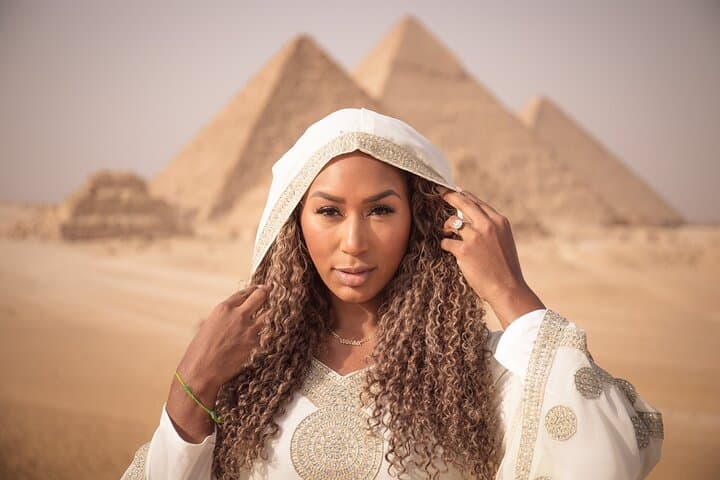
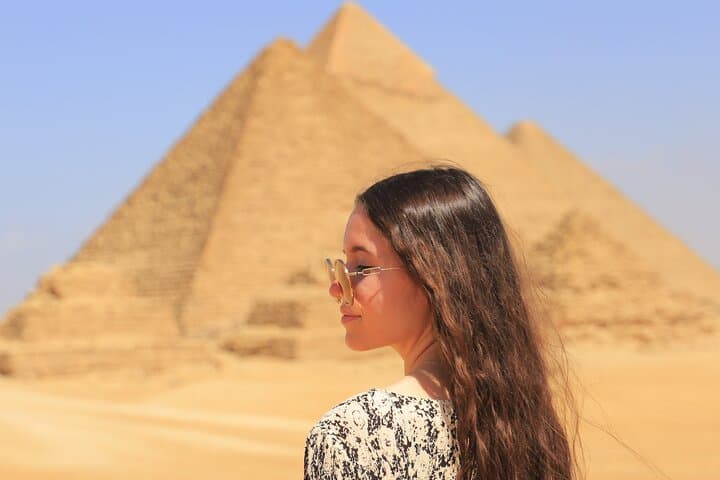
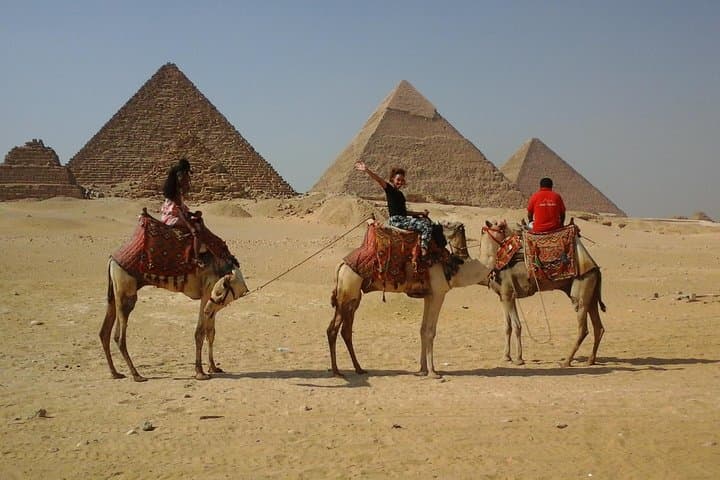
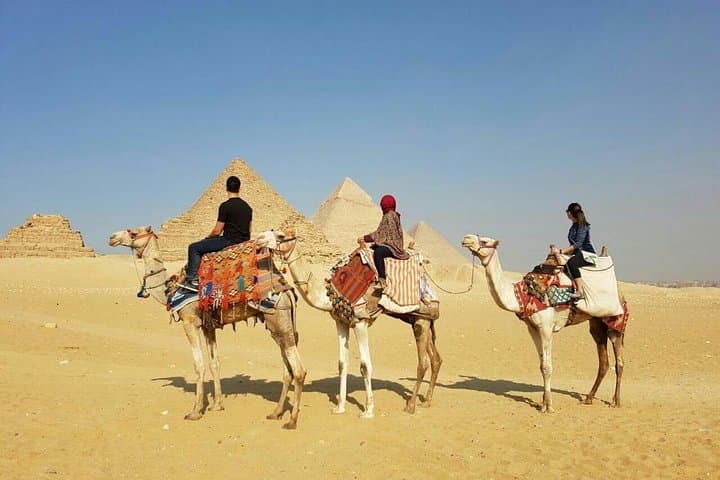
You step onto the Giza Plateau as the city hums far below and the desert wind nudges at your shirt; three hulking triangles of stone rise ahead, their edges catching the sun while the Sphinx watches without blinking. The day unfolds as a loop through Egypt’s long view of itself: ancient funerary complexes, a 19th‑century museum full of gold, and a market that still trades in stories as much as spices.
You step onto the Giza Plateau as the city hums far below and the desert wind nudges at your shirt; three hulking triangles of stone rise ahead, their edges catching the sun while the Sphinx watches without blinking. The day unfolds as a loop through Egypt’s long view of itself: ancient funerary complexes, a 19th‑century museum full of gold, and a market that still trades in stories as much as spices.
Geology and empire meet here — the plateau is a band of Eocene limestone, quarried into blocks that built the Fourth Dynasty pyramids around 2560 BC. At the Egyptian Museum in Tahrir Square, crates of Tutankhamun’s treasures and mummified pharaohs show civic ritual and funerary craftsmanship across millennia. Khan El‑Khalili, established in the 14th century, offers a chance to read living Cairo: copper shops, perfumers, and café terraces where bargaining is cultural practice.
Practical side: this is an eight‑to‑ten hour day with short, flat walks across the plateau and longer periods standing or navigating busy streets. Bring sun protection, expect temperatures that spike by midday, and know that entering a pyramid requires extra tickets bought on site. Tour logistics typically include private, air‑conditioned transfers and a guide; plan for hotel pickup in Cairo or Giza. If you want clearer photos, start early for softer light and thinner crowds; late afternoons offer warm shadows but more heat. Respect signage — climbing monuments is illegal and harms conservation efforts. Hydrate, pace your walking, and leave room to wander the bazaar’s alleys once the formal itinerary ends.