THE ADVENTURE COLLECTIVE® · Independent discovery and booking for outdoor travel

Spend a full day moving from the Giza plateau to the Egyptian Museum, glide on a traditional felucca and explore Khan el-Khalili bazaar. This single-day tour pairs iconic monuments with hands-on local culture and a relaxing Nile sail.
Spend a full day moving from the Giza plateau to the Egyptian Museum, glide on a traditional felucca and explore Khan el-Khalili bazaar. This single-day tour pairs iconic monuments with hands-on local culture and a relaxing Nile sail.
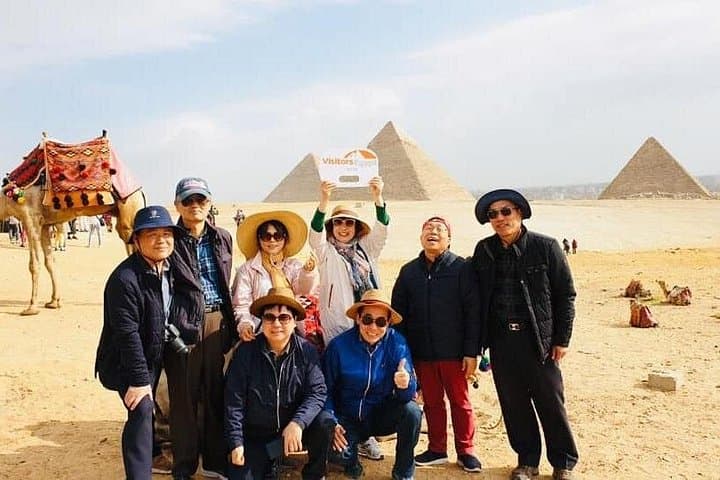
The morning light hits the plateau in a hard, golden line — the three great pyramids cut silhouettes against Cairo’s smudged skyline as your guide points out angles and funerary ramps.
Verified experiences and guided adventures in the surrounding area.
Operated by Visitors Egypt Tours · Cairo, Cairo Governorate
The morning light hits the plateau in a hard, golden line — the three great pyramids cut silhouettes against Cairo’s smudged skyline as your guide points out angles and funerary ramps.
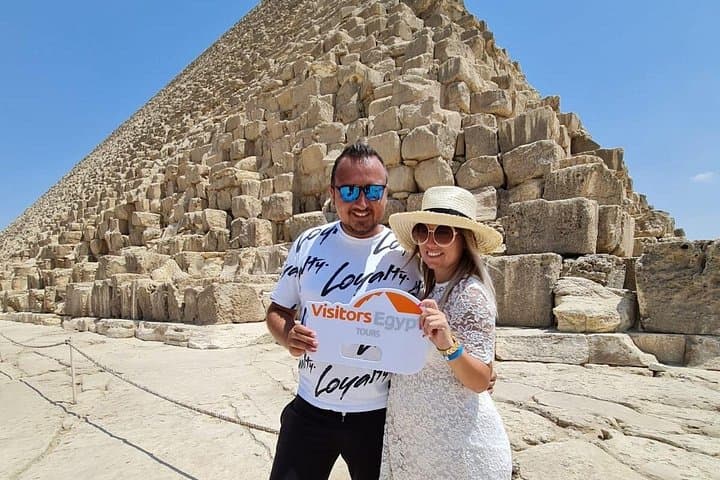
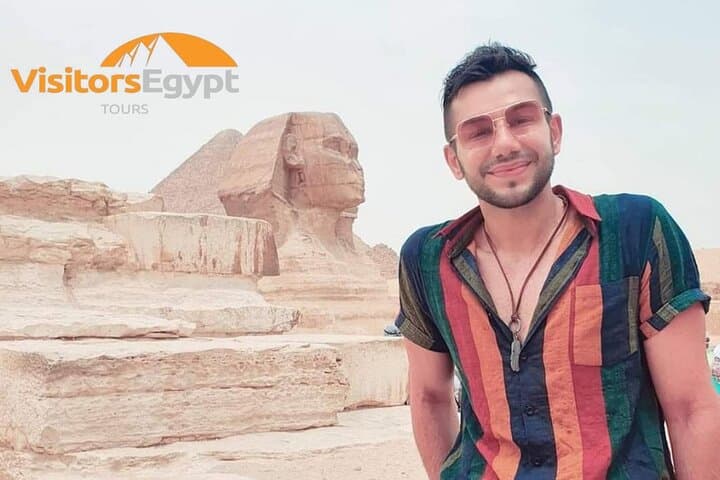
You’ll move from the panoramic overlook to walk close enough to feel the rough limestone blocks of Cheops, Khafre and Menkaure, then pause at the Sphinx where wind-sanded faces fix your route. The Egyptian Museum follows: rooms stacked with statuary and the gilded trove of Tutankhamun that rewrote modern Egyptology after Howard Carter’s 1922 discovery.
Geology here is basic but brutal — sedimentary limestone beds quarried in antiquity, a plateau sculpted by riverine deposits and time. Cultural threads pull through: the valley temples, Ottoman-era Khan el-Khalili and the persistent river life along the Nile, where feluccas have sailed for millennia.
Practical guidance centers on timing and comfort. This is a long day (9–12 hours) with several short walks, many photo stops and a gentle sail on a traditional felucca that offers wind and shade. Carry layered sun protection, hydrate frequently and set expectations: Pyramids views are immediate; interior tomb access can require extra tickets and queues.
Finish in Khan el-Khalili where narrow lanes offer spices, coffeehouses and rooftop views — a useful place to sample local crafts and plan a quieter follow-up visit. The day balances monumental history with a slice of everyday Cairo, designed to give a broad, walkable introduction to Egypt’s city and river.
easy.
9–12 hours.
Basic fitness—able to stand and walk for several hours with short, flat walks and some uneven surfaces
This tour includes standard admissions to listed sites; special extras such as entry into specific pyramid interiors or private museum rooms may require additional tickets.
The felucca segment is a short, relaxing sail (about 1–2 hours) providing Nile views and a break from the city; timing can vary with wind and schedule.
The tour notes wheelchair accessibility for vehicle transfers, but site access at the Giza plateau and some museum areas involve uneven ground and steps—check with the operator for specific accommodations.
Wear breathable clothes, comfortable walking shoes, and bring sun protection; a light layer for early mornings or breezy felucca sails is recommended.
The Giza pyramids date to the Fourth Dynasty (~4,500 years ago); the Egyptian Museum’s Tutankhamun collection stems from the 1922 excavation that reshaped understanding of ancient Egypt.
High visitor numbers stress fragile stone and museum collections; stick to marked paths, avoid touching monuments and support licensed guides and local businesses to ensure sustainable tourism.
Visitors Egypt Tours operates guided outdoor trips and adventures with an emphasis on safety, stewardship, and memorable experiences.

The morning light hits the plateau in a hard, golden line — the three great pyramids cut silhouettes against Cairo’s smudged skyline as your guide points out angles and funerary ramps.
The morning light hits the plateau in a hard, golden line — the three great pyramids cut silhouettes against Cairo’s smudged skyline as your guide points out angles and funerary ramps.
You’ll move from the panoramic overlook to walk close enough to feel the rough limestone blocks of Cheops, Khafre and Menkaure, then pause at the Sphinx where wind-sanded faces fix your route. The Egyptian Museum follows: rooms stacked with statuary and the gilded trove of Tutankhamun that rewrote modern Egyptology after Howard Carter’s 1922 discovery.
Geology here is basic but brutal — sedimentary limestone beds quarried in antiquity, a plateau sculpted by riverine deposits and time. Cultural threads pull through: the valley temples, Ottoman-era Khan el-Khalili and the persistent river life along the Nile, where feluccas have sailed for millennia.
Practical guidance centers on timing and comfort. This is a long day (9–12 hours) with several short walks, many photo stops and a gentle sail on a traditional felucca that offers wind and shade. Carry layered sun protection, hydrate frequently and set expectations: Pyramids views are immediate; interior tomb access can require extra tickets and queues.
Finish in Khan el-Khalili where narrow lanes offer spices, coffeehouses and rooftop views — a useful place to sample local crafts and plan a quieter follow-up visit. The day balances monumental history with a slice of everyday Cairo, designed to give a broad, walkable introduction to Egypt’s city and river.