THE ADVENTURE COLLECTIVE® · Independent discovery and booking for outdoor travel

Spend a full day moving from the monumental stones of Giza to the curated riches of the Egyptian Museum, then unwind with a traditional felucca sail on the Nile. This combined tour blends outdoor exploration, cultural context, and a calm river finish.
Spend a full day moving from the monumental stones of Giza to the curated riches of the Egyptian Museum, then unwind with a traditional felucca sail on the Nile. This combined tour blends outdoor exploration, cultural context, and a calm river finish.
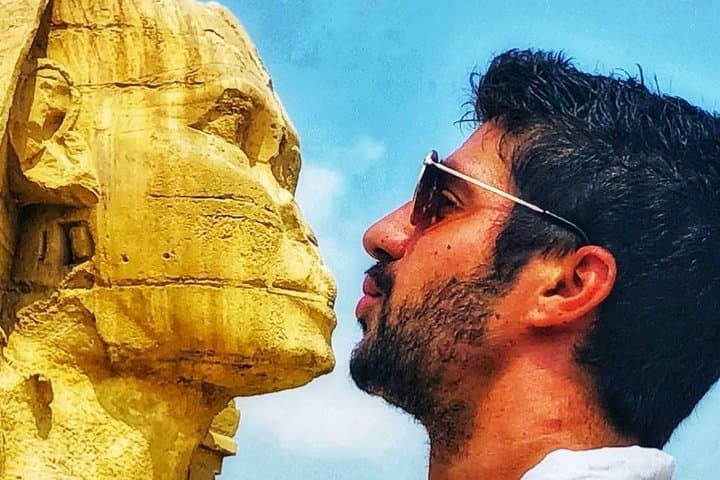
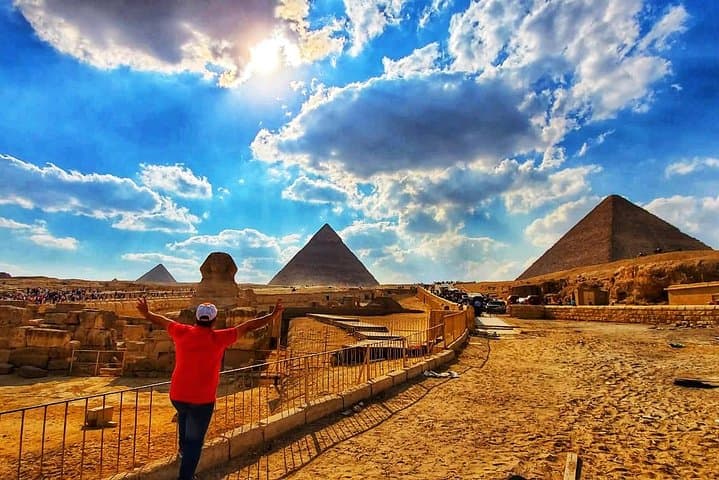
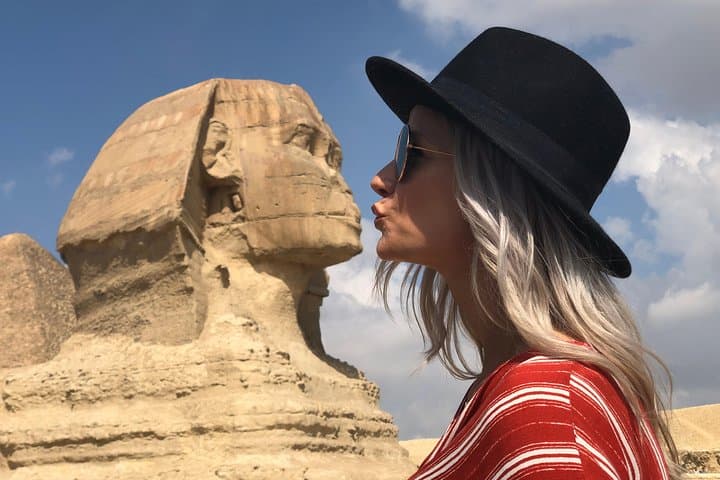
The day begins with the desert light laying itself across stone: heat rising from the plaza, the Great Pyramid looming, and a guide who knows which angles hold the best photos. Visitors move from sand to gallery, then to water—an uncommon sequence that turns a single day into a layered portrait of Egypt.
Verified experiences and guided adventures in the surrounding area.
Operated by Egypt Tours Planner · Giza, Giza Governorate
The day begins with the desert light laying itself across stone: heat rising from the plaza, the Great Pyramid looming, and a guide who knows which angles hold the best photos. Visitors move from sand to gallery, then to water—an uncommon sequence that turns a single day into a layered portrait of Egypt.
The Giza plateau is 4,500 years of engineered ambition—limestone beds hewn and stacked to precise angles that have kept these monuments standing through millennia. The Egyptian Museum in Tahrir houses objects recovered from that long arc of history, including the goldwork from Tutankhamun’s tomb, while the Nile nearby still shapes city life and commerce the way it has since pharaonic times.
Expect a mix of terrains: firm desert pathways, stepped temple thresholds, and a gentle sway on a traditional felucca. Guides typically cover the panoramic viewpoint, the Valley Temple’s closer masonry and the Sphinx approach, then lead into the museum’s highlights before a relaxing sail that lets the river breeze erase the urban edge.
Practical guidance: plan for an 8–9 hour day with sun exposure and walking on uneven surfaces. Bring sun protection, a reusable water bottle, and comfortable closed-toe shoes; entry into inner chambers (including pyramid interiors) commonly requires an extra ticket. Hotel pickup and drop-off are usually provided; confirm timing so the museum visit isn't squeezed by traffic. The felucca offers calm late-afternoon light—ideal for cooling off and reflecting on the day’s layers of history.
easy.
8–9 hours.
Suitable for most fitness levels; requires stamina for a long day of walking and standing.
No; this itinerary typically does not include archaeological site or museum admission—expect to purchase those tickets on arrival, and note that entering pyramid interiors often carries an extra fee.
Yes, hotel pickup and drop-off are usually included—confirm your pickup time and location when you book to avoid delays.
The tour is suitable for most ages and fitness levels, but uneven ground and heat can be challenging—consider a slower pace or shorter on-site visits if mobility is limited.
Guides can arrange interior access when available, but it’s subject to additional fees, limited capacity and sometimes age or health restrictions.
The Giza pyramids date to Egypt’s Old Kingdom around 2600–2500 BCE; the Egyptian Museum preserves artifacts spanning millennia, including treasures from Tutankhamun’s tomb.
Heavy visitation and urban pollution stress both sites; visitors should avoid touching monuments, carry out litter, and follow guide directions to help protect archaeological surfaces.
Egypt Tours Planner operates guided outdoor trips and adventures with an emphasis on safety, stewardship, and memorable experiences.
The day begins with the desert light laying itself across stone: heat rising from the plaza, the Great Pyramid looming, and a guide who knows which angles hold the best photos. Visitors move from sand to gallery, then to water—an uncommon sequence that turns a single day into a layered portrait of Egypt.
The day begins with the desert light laying itself across stone: heat rising from the plaza, the Great Pyramid looming, and a guide who knows which angles hold the best photos. Visitors move from sand to gallery, then to water—an uncommon sequence that turns a single day into a layered portrait of Egypt.
The Giza plateau is 4,500 years of engineered ambition—limestone beds hewn and stacked to precise angles that have kept these monuments standing through millennia. The Egyptian Museum in Tahrir houses objects recovered from that long arc of history, including the goldwork from Tutankhamun’s tomb, while the Nile nearby still shapes city life and commerce the way it has since pharaonic times.
Expect a mix of terrains: firm desert pathways, stepped temple thresholds, and a gentle sway on a traditional felucca. Guides typically cover the panoramic viewpoint, the Valley Temple’s closer masonry and the Sphinx approach, then lead into the museum’s highlights before a relaxing sail that lets the river breeze erase the urban edge.
Practical guidance: plan for an 8–9 hour day with sun exposure and walking on uneven surfaces. Bring sun protection, a reusable water bottle, and comfortable closed-toe shoes; entry into inner chambers (including pyramid interiors) commonly requires an extra ticket. Hotel pickup and drop-off are usually provided; confirm timing so the museum visit isn't squeezed by traffic. The felucca offers calm late-afternoon light—ideal for cooling off and reflecting on the day’s layers of history.