THE ADVENTURE COLLECTIVE® · Independent discovery and booking for outdoor travel

A full-day private tour from Cairo that pairs the monumental Giza Pyramids with the historic Citadel and the bustling Khan el‑Khalili bazaar. Expect significant walking on uneven surfaces, layered history, and hands-on cultural encounters.
A full-day private tour from Cairo that pairs the monumental Giza Pyramids with the historic Citadel and the bustling Khan el‑Khalili bazaar. Expect significant walking on uneven surfaces, layered history, and hands-on cultural encounters.
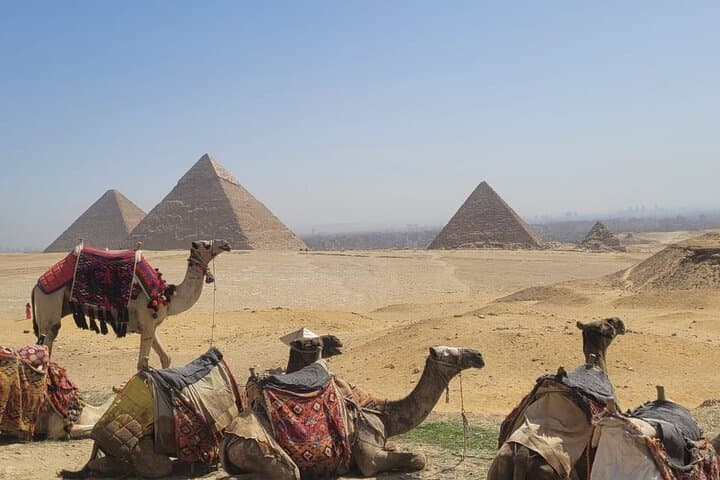
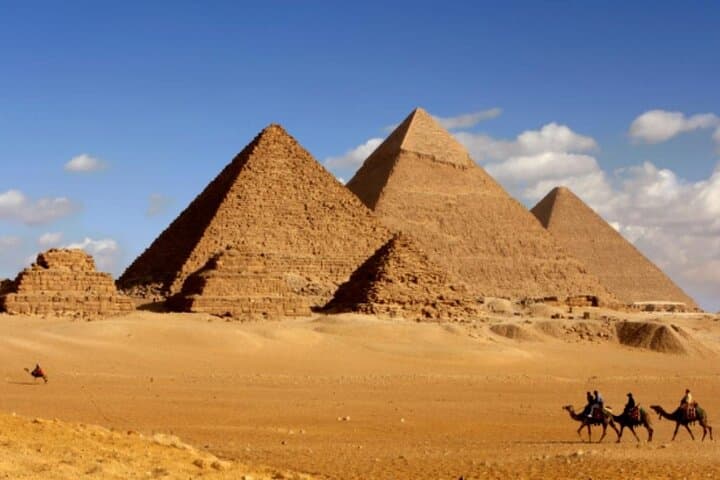
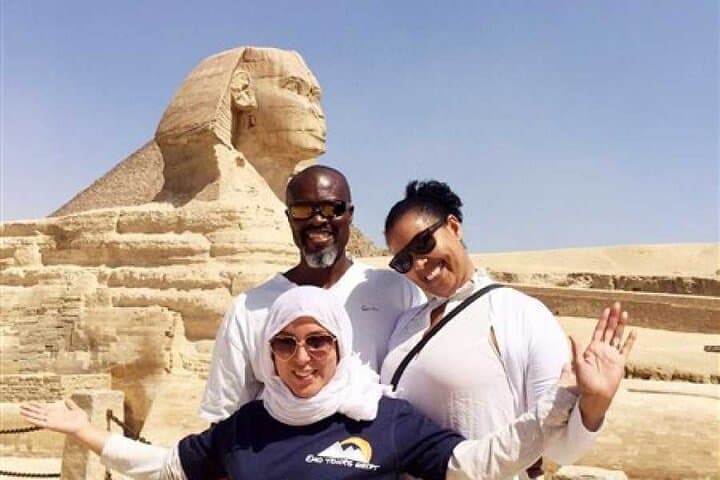
You arrive before the heat settles: a strip of desert light spills across the plateau, the Great Pyramid rising like an ancient machine cutting the horizon. Dust lifts in the wake of the air‑conditioned van; your guide points, and the Sphinx stares back—stone and story holding the day.
Verified experiences and guided adventures in the surrounding area.
Operated by Egipto Excursiones · Cairo, Cairo Governorate
You arrive before the heat settles: a strip of desert light spills across the plateau, the Great Pyramid rising like an ancient machine cutting the horizon. Dust lifts in the wake of the air‑conditioned van; your guide points, and the Sphinx stares back—stone and story holding the day.
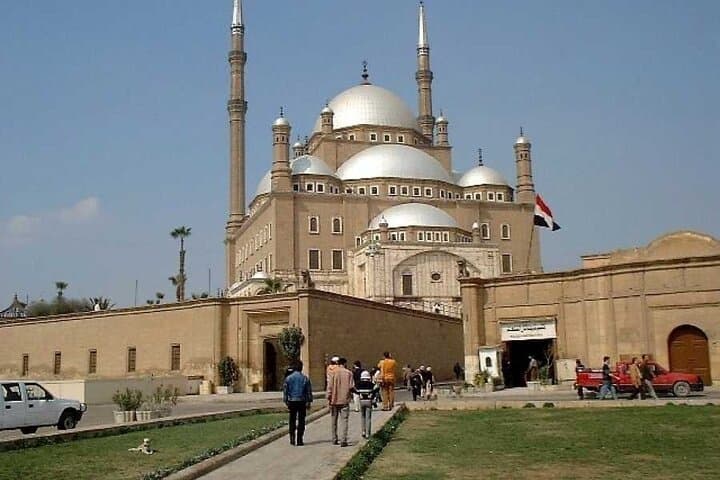
The route threads modern Cairo into layers of history. On the Giza plateau the pyramids sit on limestone bedrock shaped by the Nile’s ancient floodplain; their precise blocks and faulted joints speak of millennia of engineering and shifting quarry lines. In Old Cairo the Citadel’s ramparts recall medieval defense and Ottoman ambition, while the Mohamed Ali Mosque announces itself with twin minarets and a courtyard that catches the wind.
Coptic Cairo folds in quieter textures: the Hanging Church, Abu-Sergah and St. Barbara preserve frescoes and wooden iconostases that chart Christianity’s long presence in Egypt. At Ben Ezra Synagogue the shelves once held manuscripts that reassess trade and religious life across centuries. Finally, Khan el‑Khalili pushes you into a market where spices, brassware and textiles crowd narrow alleys; bargaining is part of the rhythm.
Practical notes: expect a long day—sites require walking on uneven stone and paved lanes; closed shoes and sun protection matter. Entry fees often cover the basic areas only, so budget for optional site tickets. Start early to avoid midday heat, carry at least 1–2 liters of water, and leave room for patient bargaining at the bazaar. With preparation, the day balances outdoor exploration, cultural depth, and vivid street life.
easy.
10 hours.
Suitable for travelers with basic mobility; involves repeated short walks, standing and occasional climbing of stairs.
Basic area entry is typically covered for viewing; internal or special-access tickets (e.g., entering a pyramid chamber) are often extra—bring cash if you want optional access.
Yes—the itinerary is paced for general fitness, but there is walking on uneven surfaces; travelers with mobility issues should check pickup and walking distances in advance.
Bargaining is common and expected; start lower than your target price and be polite—carry small change to simplify transactions.
Dress modestly: shoulders and knees covered. For mosques you may need to remove shoes; women should carry a scarf to cover hair if required.
The Giza pyramids date to Egypt’s Fourth Dynasty (c. 2600–2500 BCE); Old Cairo preserves Christian and Jewish sites that document continuous urban occupation since antiquity.
Visitor pressure and urban expansion put strain on archaeological sites—stick to marked paths, avoid touching ancient stonework, and follow guide instructions to limit impact.
Egipto Excursiones operates guided outdoor trips and adventures with an emphasis on safety, stewardship, and memorable experiences.
You arrive before the heat settles: a strip of desert light spills across the plateau, the Great Pyramid rising like an ancient machine cutting the horizon. Dust lifts in the wake of the air‑conditioned van; your guide points, and the Sphinx stares back—stone and story holding the day.
You arrive before the heat settles: a strip of desert light spills across the plateau, the Great Pyramid rising like an ancient machine cutting the horizon. Dust lifts in the wake of the air‑conditioned van; your guide points, and the Sphinx stares back—stone and story holding the day.
The route threads modern Cairo into layers of history. On the Giza plateau the pyramids sit on limestone bedrock shaped by the Nile’s ancient floodplain; their precise blocks and faulted joints speak of millennia of engineering and shifting quarry lines. In Old Cairo the Citadel’s ramparts recall medieval defense and Ottoman ambition, while the Mohamed Ali Mosque announces itself with twin minarets and a courtyard that catches the wind.
Coptic Cairo folds in quieter textures: the Hanging Church, Abu-Sergah and St. Barbara preserve frescoes and wooden iconostases that chart Christianity’s long presence in Egypt. At Ben Ezra Synagogue the shelves once held manuscripts that reassess trade and religious life across centuries. Finally, Khan el‑Khalili pushes you into a market where spices, brassware and textiles crowd narrow alleys; bargaining is part of the rhythm.
Practical notes: expect a long day—sites require walking on uneven stone and paved lanes; closed shoes and sun protection matter. Entry fees often cover the basic areas only, so budget for optional site tickets. Start early to avoid midday heat, carry at least 1–2 liters of water, and leave room for patient bargaining at the bazaar. With preparation, the day balances outdoor exploration, cultural depth, and vivid street life.