THE ADVENTURE COLLECTIVE® · Independent discovery and booking for outdoor travel

Spend a day moving from the monumental scale of the Giza Pyramids to the modern galleries of the Grand Egyptian Museum, then lose yourself in the lanes of Khan el‑Khalili before a calming felucca ride on the Nile. A practical, full‑day itinerary for history seekers and urban explorers.
Spend a day moving from the monumental scale of the Giza Pyramids to the modern galleries of the Grand Egyptian Museum, then lose yourself in the lanes of Khan el‑Khalili before a calming felucca ride on the Nile. A practical, full‑day itinerary for history seekers and urban explorers.
You arrive before the dust settles into the long‑shadowed limestone of the Giza Plateau, the pyramids rising like engineered mountains against a wide blue sky. The day unfolds as a sequence of scale—ancient stone blocks, a colossal sphinx, then the bright, curated galleries of the Grand Egyptian Museum where gold and painted wood catch the light.
Verified experiences and guided adventures in the surrounding area.
Operated by Tree of Life Day Tours · Giza, Cairo Governorate
You arrive before the dust settles into the long‑shadowed limestone of the Giza Plateau, the pyramids rising like engineered mountains against a wide blue sky. The day unfolds as a sequence of scale—ancient stone blocks, a colossal sphinx, then the bright, curated galleries of the Grand Egyptian Museum where gold and painted wood catch the light.
The Giza monuments date to the Fourth Dynasty (c. 2600–2500 BCE), their geometry cutting a clear line across millennia. Geologically the plateau is a raised band of Tura limestone and bedrock choked with burial chambers; the pyramids’ visible faces are surviving casing stones and repaired cores. Khan el‑Khalili sits in contrast: medieval lanes, metalworkers, coffeehouses, and bargaining rhythms that grew around Cairo’s Mamluk-era institutions.
A short felucca ride on the Nile is an uncomplicated counterpoint—wind and river doing the work while Cairo glides by. Expect an interpreter to move between eras for you: ancient ritual, colonial archaeology, and modern urban life.
Practicalities: this is a full-day private tour (about 8–10 hours) with air‑conditioned transport; museum and pyramid entry tickets are typically not included. Wear closed walking shoes for uneven stone, sun protection for exposed plateau sections, and modest clothing for entry to religious and museum spaces. Bring cash for small purchases and a refillable water bottle; plan the visit early to avoid mid‑day heat and crowds. The route blends strenuous walking on terraces and short climbs with relaxed moments aboard the felucca—bring patience, a camera, and a sense of measured curiosity.
moderate.
8–10 hours.
Comfortable on your feet for multiple hours with short climbs over uneven stone; moderate fitness recommended
Most tour rates do not include national site entrance fees; confirm with the operator and budget for separate ticket purchases.
Felucca rides are often an optional or conditional inclusion—check your booking option; when included the ride typically lasts about an hour.
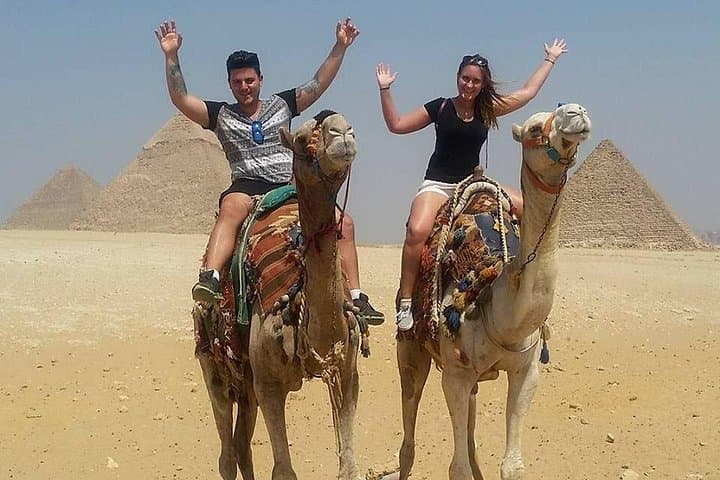
Camel rides are offered as part of many Giza tours; they are generally short and managed by local handlers—expect to pay a small additional fee if not included.
Smart‑casual clothing is recommended for the museum; in markets and religious sites wear modest attire that covers shoulders and knees.
The Giza pyramids were built around 4,500 years ago as royal tombs; the Grand Egyptian Museum consolidates thousands of artifacts, including King Tutankhamun’s complete collection, in a modern exhibition space.
Visitor pressure affects erosion and local heritage sites—stay on designated paths, avoid touching artifacts, and support licensed guides and local businesses for sustainable tourism.
Tree of Life Day Tours operates guided outdoor trips and adventures with an emphasis on safety, stewardship, and memorable experiences.
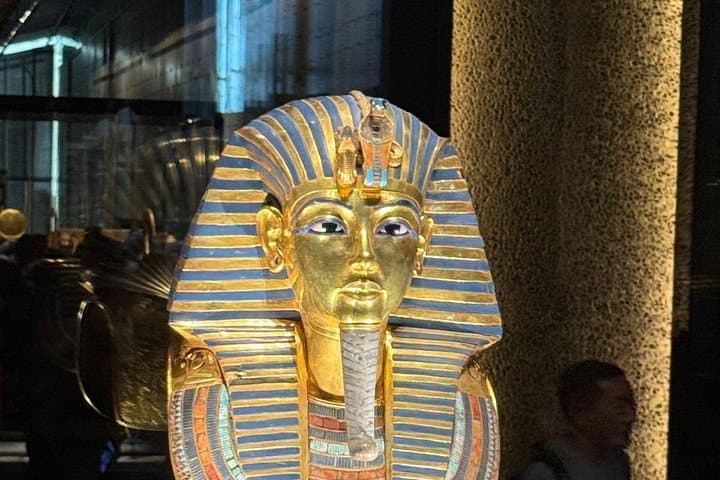
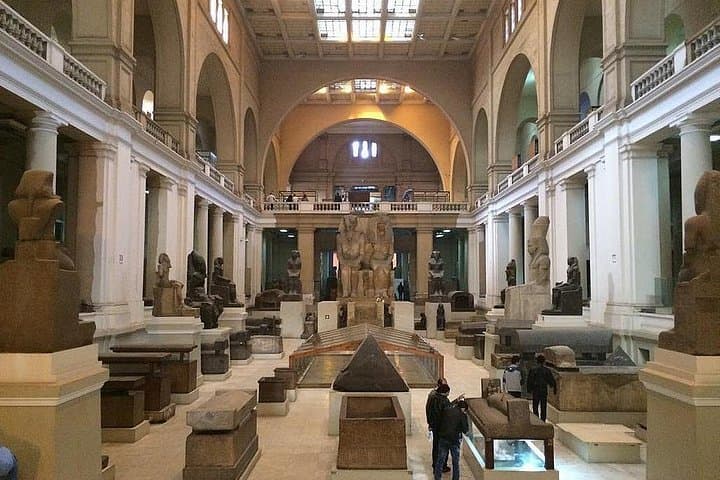
You arrive before the dust settles into the long‑shadowed limestone of the Giza Plateau, the pyramids rising like engineered mountains against a wide blue sky. The day unfolds as a sequence of scale—ancient stone blocks, a colossal sphinx, then the bright, curated galleries of the Grand Egyptian Museum where gold and painted wood catch the light.
You arrive before the dust settles into the long‑shadowed limestone of the Giza Plateau, the pyramids rising like engineered mountains against a wide blue sky. The day unfolds as a sequence of scale—ancient stone blocks, a colossal sphinx, then the bright, curated galleries of the Grand Egyptian Museum where gold and painted wood catch the light.
The Giza monuments date to the Fourth Dynasty (c. 2600–2500 BCE), their geometry cutting a clear line across millennia. Geologically the plateau is a raised band of Tura limestone and bedrock choked with burial chambers; the pyramids’ visible faces are surviving casing stones and repaired cores. Khan el‑Khalili sits in contrast: medieval lanes, metalworkers, coffeehouses, and bargaining rhythms that grew around Cairo’s Mamluk-era institutions.
A short felucca ride on the Nile is an uncomplicated counterpoint—wind and river doing the work while Cairo glides by. Expect an interpreter to move between eras for you: ancient ritual, colonial archaeology, and modern urban life.
Practicalities: this is a full-day private tour (about 8–10 hours) with air‑conditioned transport; museum and pyramid entry tickets are typically not included. Wear closed walking shoes for uneven stone, sun protection for exposed plateau sections, and modest clothing for entry to religious and museum spaces. Bring cash for small purchases and a refillable water bottle; plan the visit early to avoid mid‑day heat and crowds. The route blends strenuous walking on terraces and short climbs with relaxed moments aboard the felucca—bring patience, a camera, and a sense of measured curiosity.