THE ADVENTURE COLLECTIVE® · Independent discovery and booking for outdoor travel

A full-day small-group tour from Porto that pairs Braga’s cathedral streets and Tibães Monastery with the wild heart of Peneda-Gerês National Park—waterfalls, the Via Nova XVIII and a regional lunch in Covide. Expect manageable walks, dramatic viewpoints, and local flavors packed into a 10-hour day.
A full-day small-group tour from Porto that pairs Braga’s cathedral streets and Tibães Monastery with the wild heart of Peneda-Gerês National Park—waterfalls, the Via Nova XVIII and a regional lunch in Covide. Expect manageable walks, dramatic viewpoints, and local flavors packed into a 10-hour day.
You step out of Porto’s morning light and the road becomes a ribbon through granite folds—olive terraces give way to oak and pine as the bus climbs toward Peneda-Gerês. By midday the air smells of damp moss and wood smoke; rivers dare you closer with the sound of rapids and waterfalls, and Pedra Bela opens like a theater seat to the Caniçada reservoir below.
Verified experiences and guided adventures in the surrounding area.
Operated by North-On-Wheels · Gerês (Caldas do Gerês), Braga District
You step out of Porto’s morning light and the road becomes a ribbon through granite folds—olive terraces give way to oak and pine as the bus climbs toward Peneda-Gerês. By midday the air smells of damp moss and wood smoke; rivers dare you closer with the sound of rapids and waterfalls, and Pedra Bela opens like a theater seat to the Caniçada reservoir below.
This full-day loop mixes Roman engineering, monastic history and mountain geology. Braga’s cathedral precincts and the 17th-century Tibães Monastery trace centuries of faith and regional power. In Gerês the Via Nova XVIII—an imperial road laid in the 1st century AD—runs through Mata da Albergaria, a living reminder of human routes across schist and granite. Local culture is present in Covide’s regional lunch: cod fritters, chouriço and vinho verde reflect Minho’s culinary identity.
Practical guidance: expect a long day (about 10 hours) with short walks and stair descents to viewpoints and waterfalls rather than sustained hiking. Wear sturdy walking shoes with grip for wet stone and stairs, and layer for variable mountain sun and wind. Bring a reusable water bottle—the tour includes bottled water but you’ll want refills—and a small daypack for camera, snacks and rain shell. Timing matters: morning light is best for Braga photos; afternoons bring softer light at Pedra Bela and fuller flows at Arado waterfall. If you have mobility limits, check the staircase access at Arado. Pack snacks if you have dietary needs; the provided regional lunch is generous but set.
easy.
10 hours.
Suitable for people in general good health who can manage short walks, stairs and standing for panoramic stops; not strenuous.
No—this tour involves short walks, viewpoints and stair access to Arado waterfall rather than long hikes; basic mobility is sufficient.
Yes—pick up from central Porto hotels is included; the booking form asks for your pickup point.
Yes if notified in advance via the booking special requirements; otherwise the set regional menu may be difficult to alter on short notice.
Stops focus on viewpoints and short walks; swimming is generally not part of the itinerary and depends on conditions—ask the guide on the day.
The route follows Via Nova XVIII, a Roman road linking Bracara Augusta (Braga) and Asturica Augusta; Tibães Monastery later became a key Benedictine center in the 17th century.
Peneda-Gerês is Portugal’s only national park—visitors should stick to paths, avoid collecting plants or rocks, and minimize waste to protect fragile habitats.
North-On-Wheels operates guided outdoor trips and adventures with an emphasis on safety, stewardship, and memorable experiences.
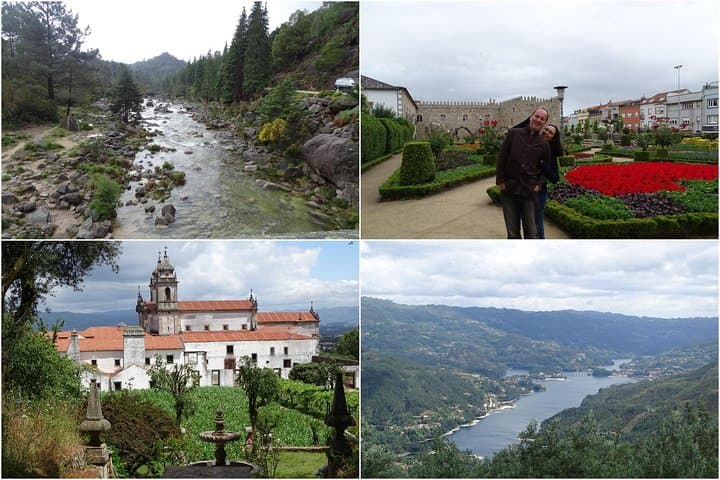
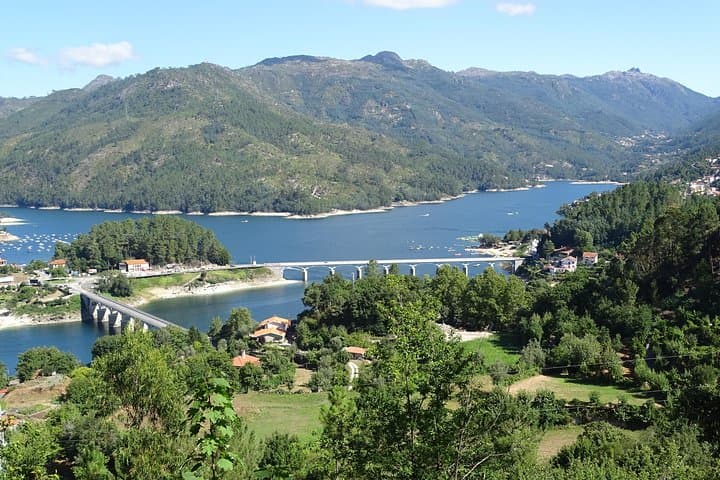
You step out of Porto’s morning light and the road becomes a ribbon through granite folds—olive terraces give way to oak and pine as the bus climbs toward Peneda-Gerês. By midday the air smells of damp moss and wood smoke; rivers dare you closer with the sound of rapids and waterfalls, and Pedra Bela opens like a theater seat to the Caniçada reservoir below.
You step out of Porto’s morning light and the road becomes a ribbon through granite folds—olive terraces give way to oak and pine as the bus climbs toward Peneda-Gerês. By midday the air smells of damp moss and wood smoke; rivers dare you closer with the sound of rapids and waterfalls, and Pedra Bela opens like a theater seat to the Caniçada reservoir below.
This full-day loop mixes Roman engineering, monastic history and mountain geology. Braga’s cathedral precincts and the 17th-century Tibães Monastery trace centuries of faith and regional power. In Gerês the Via Nova XVIII—an imperial road laid in the 1st century AD—runs through Mata da Albergaria, a living reminder of human routes across schist and granite. Local culture is present in Covide’s regional lunch: cod fritters, chouriço and vinho verde reflect Minho’s culinary identity.
Practical guidance: expect a long day (about 10 hours) with short walks and stair descents to viewpoints and waterfalls rather than sustained hiking. Wear sturdy walking shoes with grip for wet stone and stairs, and layer for variable mountain sun and wind. Bring a reusable water bottle—the tour includes bottled water but you’ll want refills—and a small daypack for camera, snacks and rain shell. Timing matters: morning light is best for Braga photos; afternoons bring softer light at Pedra Bela and fuller flows at Arado waterfall. If you have mobility limits, check the staircase access at Arado. Pack snacks if you have dietary needs; the provided regional lunch is generous but set.