THE ADVENTURE COLLECTIVE® · Independent discovery and booking for outdoor travel

Spend a full day experiencing The Gambia’s markets, a sacred crocodile pool, coastal villages and a local school. This practical, private tour mixes wildlife viewing, cultural context and beach time with a local guide.
Spend a full day experiencing The Gambia’s markets, a sacred crocodile pool, coastal villages and a local school. This practical, private tour mixes wildlife viewing, cultural context and beach time with a local guide.
You climb into a private van as the heat of the morning presses against the town—vendors unpacking, motorbikes weaving, and the salt breeze already rolling inland from the Atlantic. The day unspools across marketplaces, a sacred crocodile pool, boat-lined fishing beaches and a village school, each stop a different pulse of Gambian life.
Verified experiences and guided adventures in the surrounding area.
Operated by Maca Jobe Kunda Tours · Serrekunda, Kanifing
You climb into a private van as the heat of the morning presses against the town—vendors unpacking, motorbikes weaving, and the salt breeze already rolling inland from the Atlantic. The day unspools across marketplaces, a sacred crocodile pool, boat-lined fishing beaches and a village school, each stop a different pulse of Gambian life.
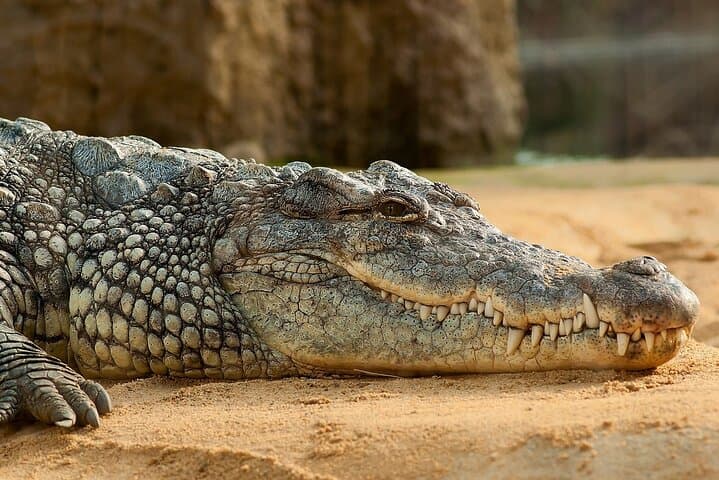
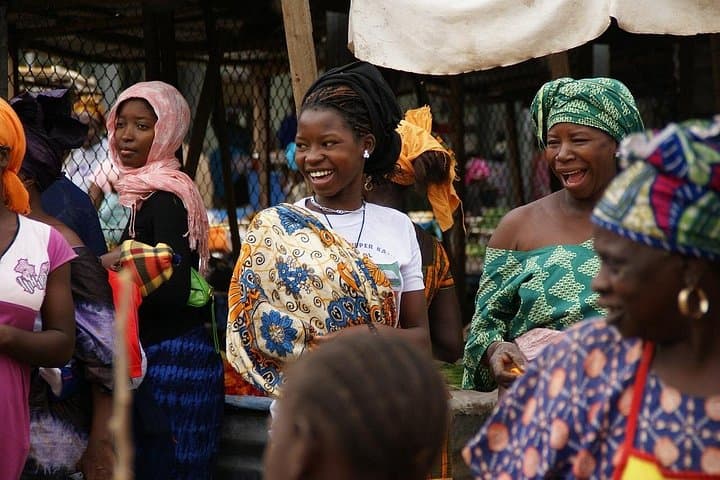
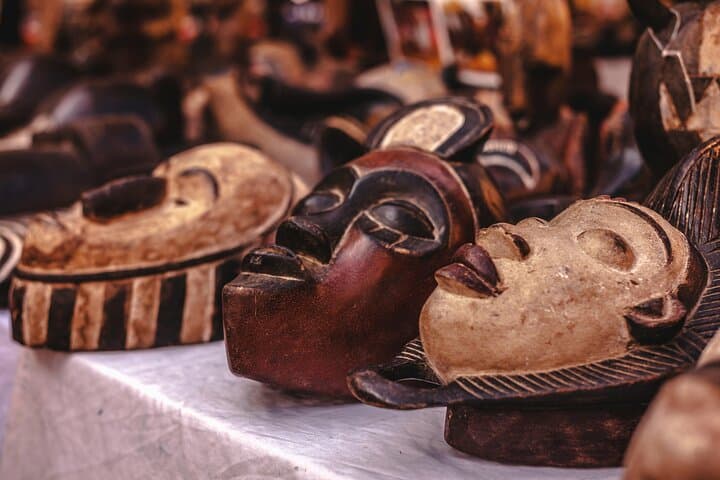
Serrekunda Market opens with colour and noise: fabrics, spices and the cadence of Wolof and Mandinka bargaining. A short drive west takes you to Kachikally in Bakau, where crocodiles sun themselves and a small museum situates the pool in local ritual and history. Brikama’s craft stalls show the region’s long woodworking and weaving traditions, while Sanyang (Paradise Beach) and Tanji Fishing Village place you on the edge of a living coastline—nets, wooden pirogues and the day’s catch arriving with a practiced rhythm.
The route traces cultural layers: pre-colonial riverine communities, colonial-era coastal trade, and contemporary artisanal craft economies. Geologically the country is a flat coastal plain of alluvial soils and sandbars, which shapes village life and fisheries.
Practical guide: expect an 8–12 hour day with moderate walking on uneven market alleys and soft sand. Wear closed-toe shoes for markets and reef-safe sunscreen at the beach. Bring small local currency for crafts and a respectful attitude at the school and sacred sites—ask before photographing people. The guide typically provides bottled water, pickup and drop-off, and local insight that turns stops into stories rather than just photo ops.
easy.
8–12 hours.
Suitable for most fitness levels; requires standing and short walks on uneven ground and sand.
Yes—visitors can photograph the crocodiles from designated areas; follow the guide’s rules and avoid touching or provoking the animals unless the local caretaker clearly permits supervised interactions.
Lunch is typically at Paradise Beach and can include local dishes; note dietary restrictions when booking so the guide can advise or arrange alternatives.
Visa requirements depend on your nationality; check Gambia immigration rules before travel—this tour operates with local pickup but does not handle visa issues.
Walking is light to moderate—market aisles, short village strolls and beach walking—making the tour family-friendly; infants should sit on laps per supplier policy.
Coastal Gambian villages and markets reflect centuries of riverine trade and local Mandinka, Wolof and Jola cultural traditions influenced by Atlantic commerce and colonial history.
Avoid feeding wildlife, use reef-safe sunscreen at beaches, and support local artisans directly to help preserve coastal fisheries and craft traditions.
Maca Jobe Kunda Tours operates guided outdoor trips and adventures with an emphasis on safety, stewardship, and memorable experiences.
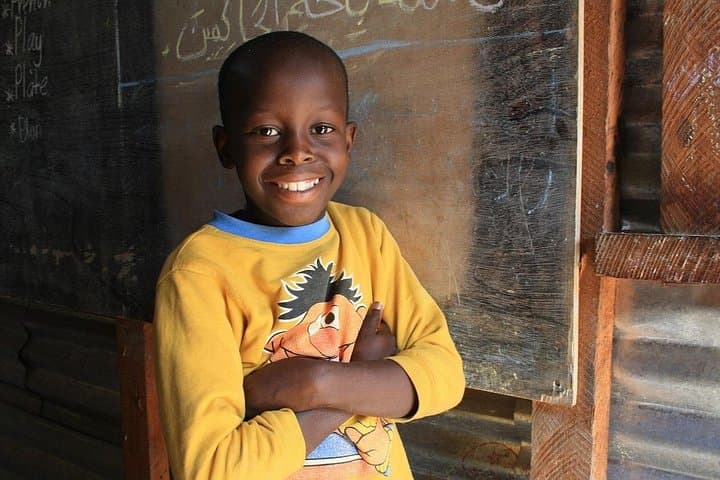
You climb into a private van as the heat of the morning presses against the town—vendors unpacking, motorbikes weaving, and the salt breeze already rolling inland from the Atlantic. The day unspools across marketplaces, a sacred crocodile pool, boat-lined fishing beaches and a village school, each stop a different pulse of Gambian life.
You climb into a private van as the heat of the morning presses against the town—vendors unpacking, motorbikes weaving, and the salt breeze already rolling inland from the Atlantic. The day unspools across marketplaces, a sacred crocodile pool, boat-lined fishing beaches and a village school, each stop a different pulse of Gambian life.
Serrekunda Market opens with colour and noise: fabrics, spices and the cadence of Wolof and Mandinka bargaining. A short drive west takes you to Kachikally in Bakau, where crocodiles sun themselves and a small museum situates the pool in local ritual and history. Brikama’s craft stalls show the region’s long woodworking and weaving traditions, while Sanyang (Paradise Beach) and Tanji Fishing Village place you on the edge of a living coastline—nets, wooden pirogues and the day’s catch arriving with a practiced rhythm.
The route traces cultural layers: pre-colonial riverine communities, colonial-era coastal trade, and contemporary artisanal craft economies. Geologically the country is a flat coastal plain of alluvial soils and sandbars, which shapes village life and fisheries.
Practical guide: expect an 8–12 hour day with moderate walking on uneven market alleys and soft sand. Wear closed-toe shoes for markets and reef-safe sunscreen at the beach. Bring small local currency for crafts and a respectful attitude at the school and sacred sites—ask before photographing people. The guide typically provides bottled water, pickup and drop-off, and local insight that turns stops into stories rather than just photo ops.