THE ADVENTURE COLLECTIVE® · Independent discovery and booking for outdoor travel

This full-day excursion from Munich combines fairy-tale Neuschwanstein, the intimate rococo charm of Linderhof, and Oberammergau’s painted houses. Expect a 10-hour day with steep walks, strict castle entry windows, and sweeping Alpine views.
This full-day excursion from Munich combines fairy-tale Neuschwanstein, the intimate rococo charm of Linderhof, and Oberammergau’s painted houses. Expect a 10-hour day with steep walks, strict castle entry windows, and sweeping Alpine views.
A morning mist lifts off the Alpine foothills as the coach leaves Munich, and the silhouette of Neuschwanstein appears—white towers spiking above a green bowl of fir forest. The day unfolds as a sequence of designed landscapes: Linderhof’s ornate Rococo rooms and clipped parterres, Oberammergau’s painted facades and woodcarving shops, and finally the climb toward King Ludwig II’s romantic Neuschwanstein, where views open across lakes and ridgelines.
Verified experiences and guided adventures in the surrounding area.
Operated by Kaytrip · Schwangau, Bavaria
A morning mist lifts off the Alpine foothills as the coach leaves Munich, and the silhouette of Neuschwanstein appears—white towers spiking above a green bowl of fir forest. The day unfolds as a sequence of designed landscapes: Linderhof’s ornate Rococo rooms and clipped parterres, Oberammergau’s painted facades and woodcarving shops, and finally the climb toward King Ludwig II’s romantic Neuschwanstein, where views open across lakes and ridgelines.
The route threads Bavarian history and 19th-century taste: Ludwig’s castles are deliberate recreations of French and medieval motifs, built as private retreats rather than fortresses. Geologically the area sits on Jurassic limestones of the Northern Limestone Alps; steep valleys, glacially scoured lakes and mixed spruce-beech forests shape the scenery. Oberammergau adds living culture—decades-old woodcarving traditions and the Passion Play heritage that pulses through the town every decade.
Practical guidance: this is a full 10‑hour day with several short stops and guided time inside or near Linderhof and Neuschwanstein. Castle entry windows are strict—arrive early and buy tickets ahead if possible. Expect a steep 30–40 minute walk up to Neuschwanstein if shuttle or carriage options are reduced (winter). Wear grippy shoes, bring layers for variable mountain weather, and carry water and a light lunch or expect a short café stop. Mobility restrictions affect access to some castle interiors and uphill approaches. Traffic or winter conditions can delay the schedule, so plan extra time if you have onward travel.
The experience mixes curated interiors and alpine panoramas—ideal for travelers seeking compact cultural variety with a tactile dose of Bavarian landscape.
easy.
10 hours.
Suitable for travelers of average fitness but requires the ability to walk uphill for up to 40 minutes and navigate steps.
Yes—castle entry slots are limited and strictly timed. Purchasing tickets ahead greatly reduces the risk of missing your scheduled entry.
The path from the ticket office to the castle is a paved but uphill walk of roughly 30–40 minutes; allow extra time in winter or for slower walkers.
Lunch is not included; the itinerary schedules a lunch stop near the castle area with options for cafés and quick meals.
Access is limited—some palace interiors and routes involve steps; contact the operator ahead to discuss specific mobility needs.
King Ludwig II commissioned both Neuschwanstein and Linderhof in the 19th century; his idealized historicism and theatrical interiors reflect personal retreats rather than defensive architecture.
High visitor numbers stress fragile trails and historic interiors—stick to marked paths, avoid touching frescoes and furnishings, and follow local guidelines to reduce wear.
Kaytrip operates guided outdoor trips and adventures with an emphasis on safety, stewardship, and memorable experiences.
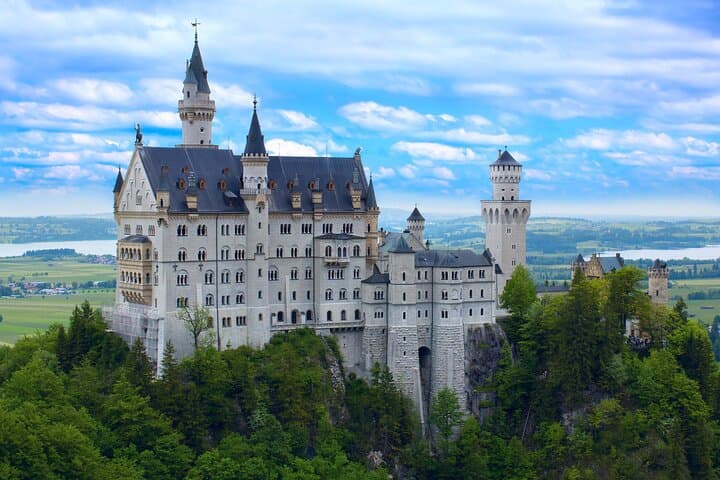


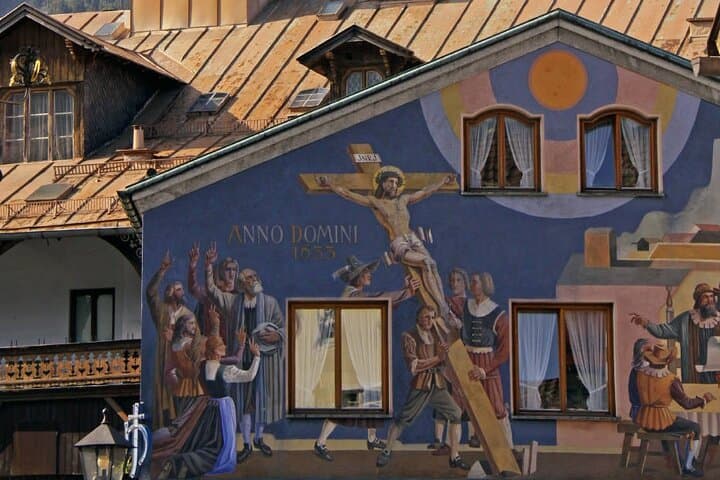
A morning mist lifts off the Alpine foothills as the coach leaves Munich, and the silhouette of Neuschwanstein appears—white towers spiking above a green bowl of fir forest. The day unfolds as a sequence of designed landscapes: Linderhof’s ornate Rococo rooms and clipped parterres, Oberammergau’s painted facades and woodcarving shops, and finally the climb toward King Ludwig II’s romantic Neuschwanstein, where views open across lakes and ridgelines.
A morning mist lifts off the Alpine foothills as the coach leaves Munich, and the silhouette of Neuschwanstein appears—white towers spiking above a green bowl of fir forest. The day unfolds as a sequence of designed landscapes: Linderhof’s ornate Rococo rooms and clipped parterres, Oberammergau’s painted facades and woodcarving shops, and finally the climb toward King Ludwig II’s romantic Neuschwanstein, where views open across lakes and ridgelines.
The route threads Bavarian history and 19th-century taste: Ludwig’s castles are deliberate recreations of French and medieval motifs, built as private retreats rather than fortresses. Geologically the area sits on Jurassic limestones of the Northern Limestone Alps; steep valleys, glacially scoured lakes and mixed spruce-beech forests shape the scenery. Oberammergau adds living culture—decades-old woodcarving traditions and the Passion Play heritage that pulses through the town every decade.
Practical guidance: this is a full 10‑hour day with several short stops and guided time inside or near Linderhof and Neuschwanstein. Castle entry windows are strict—arrive early and buy tickets ahead if possible. Expect a steep 30–40 minute walk up to Neuschwanstein if shuttle or carriage options are reduced (winter). Wear grippy shoes, bring layers for variable mountain weather, and carry water and a light lunch or expect a short café stop. Mobility restrictions affect access to some castle interiors and uphill approaches. Traffic or winter conditions can delay the schedule, so plan extra time if you have onward travel.
The experience mixes curated interiors and alpine panoramas—ideal for travelers seeking compact cultural variety with a tactile dose of Bavarian landscape.