THE ADVENTURE COLLECTIVE® · Independent discovery and booking for outdoor travel

Escape Cairo for a full-day into Fayoum’s lakes, dunes, and fossil fields. Visit Wadi El Rayan’s waterfalls and sand slopes, sandboard or ride a 4x4, and explore Wadi El Hitan’s UNESCO fossil site.
Escape Cairo for a full-day into Fayoum’s lakes, dunes, and fossil fields. Visit Wadi El Rayan’s waterfalls and sand slopes, sandboard or ride a 4x4, and explore Wadi El Hitan’s UNESCO fossil site.
You step out of Cairo’s traffic into sun-warmed air and a horizon that doesn’t end in concrete — only sand, water, and low scrub. The drive toward Fayoum opens like a film: irrigated fields give way to wide lakes, then to dunes that rise and fall like a slow, deliberate ocean. At Wadi El Rayan the waterfalls — Egypt’s rare desert cascades fed by groundwater — appear abrupt and lively, daring you to cross their sandy ledges for a better view.
Verified experiences and guided adventures in the surrounding area.
Operated by Tut Egypt Tours · Fayoum, Al Fayyum Governorate
You step out of Cairo’s traffic into sun-warmed air and a horizon that doesn’t end in concrete — only sand, water, and low scrub. The drive toward Fayoum opens like a film: irrigated fields give way to wide lakes, then to dunes that rise and fall like a slow, deliberate ocean. At Wadi El Rayan the waterfalls — Egypt’s rare desert cascades fed by groundwater — appear abrupt and lively, daring you to cross their sandy ledges for a better view.
This full-day route threads together Fayoum’s natural and scientific highlights. The oasis itself has been farmed since Pharaonic times; later Greco-Roman settlements shaped the landscape and irrigation that sustain palm groves and Lake Qarun today. Wadi El Rayan’s dunes are recent geological work: wind-sculpted silhouettes over compact sand and silt. Wadi El Hitan (Valley of the Whales) is a UNESCO site where 40-million-year-old archaeocete fossils lie exposed, a literal archive of the sea that once covered this basin.
Expect a mix of short walks across firm desert, a 4x4 dune run, and brief climbs to viewpoints. Sandboarding is optional and low-impact if done on designated slopes. Practical timing: start early to avoid midday heat, bring sun protection and 2–3 liters of water, and wear closed-toe shoes for fossils and dunes. Guides typically include lunch, pickup from Cairo or Fayoum, and entry fees to protected sites. Respect marked paths in Wadi El Hitan — the fossils are fragile and protected. By dusk, a felucca ride or shoreline stop at Lake Qarun offers a quiet counterpoint before the drive back to the city.
easy.
8–10 hours.
Suitable for most fitness levels; expect short walks and occasional climbing over uneven desert terrain.
The tour runs about 8–10 hours and typically includes hotel pickup and drop-off from Cairo or Fayoum; confirm your pickup point when booking.
Yes — sandboarding is offered on gentle slopes and staff provide basic instruction; choose a kneeboard or stand-up board based on comfort.
Most operators include the UNESCO site entrance fee; verify in the tour inclusion list before booking.
The route is family-friendly with short walks, but operators may advise against participation for pregnant travelers or very young infants on dune runs.
Fayoum’s basin has been an agricultural heartland since Pharaonic times and later hosted Greco-Roman settlements; Wadi El Hitan preserves Eocene whale fossils that rewrote understanding of whale evolution.
Wadi El Hitan is a protected UNESCO site — stay on designated trails and don’t remove fossils; minimize plastic waste and follow guide instructions to reduce impact.
Tut Egypt Tours operates guided outdoor trips and adventures with an emphasis on safety, stewardship, and memorable experiences.
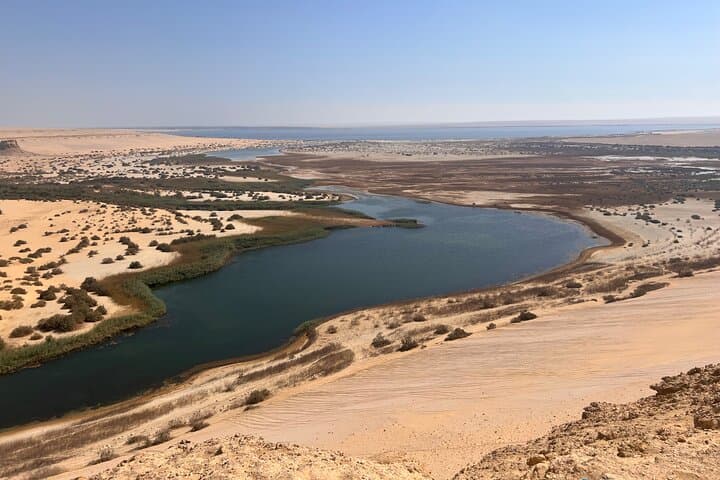
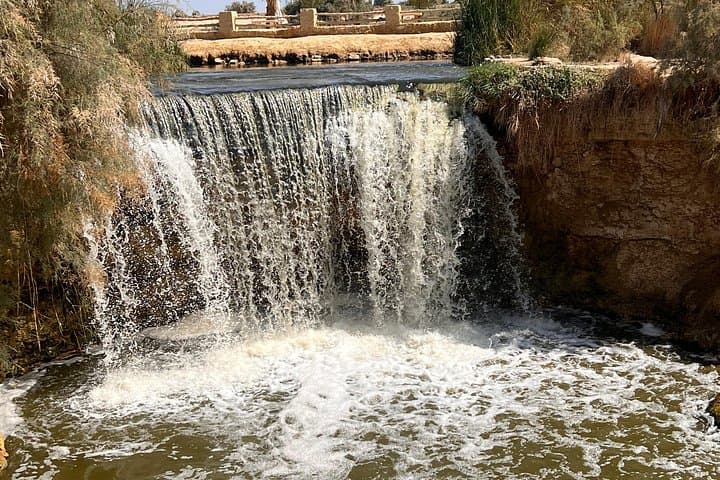
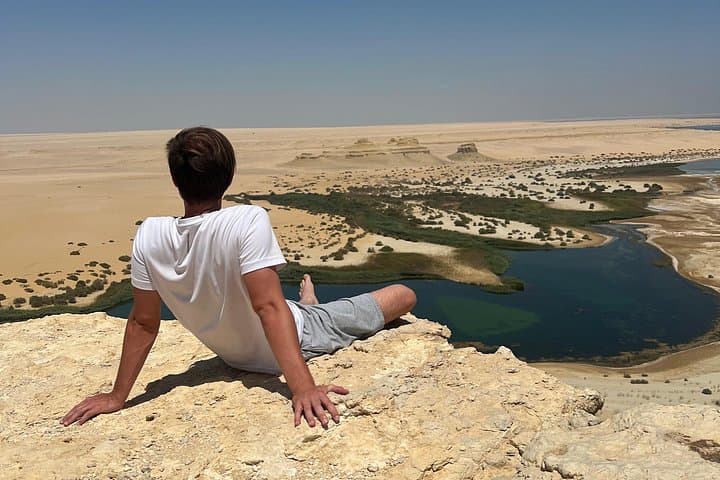
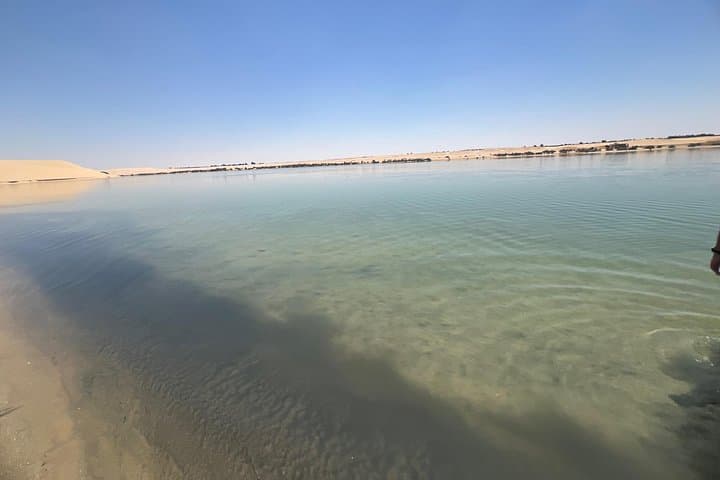
You step out of Cairo’s traffic into sun-warmed air and a horizon that doesn’t end in concrete — only sand, water, and low scrub. The drive toward Fayoum opens like a film: irrigated fields give way to wide lakes, then to dunes that rise and fall like a slow, deliberate ocean. At Wadi El Rayan the waterfalls — Egypt’s rare desert cascades fed by groundwater — appear abrupt and lively, daring you to cross their sandy ledges for a better view.
You step out of Cairo’s traffic into sun-warmed air and a horizon that doesn’t end in concrete — only sand, water, and low scrub. The drive toward Fayoum opens like a film: irrigated fields give way to wide lakes, then to dunes that rise and fall like a slow, deliberate ocean. At Wadi El Rayan the waterfalls — Egypt’s rare desert cascades fed by groundwater — appear abrupt and lively, daring you to cross their sandy ledges for a better view.
This full-day route threads together Fayoum’s natural and scientific highlights. The oasis itself has been farmed since Pharaonic times; later Greco-Roman settlements shaped the landscape and irrigation that sustain palm groves and Lake Qarun today. Wadi El Rayan’s dunes are recent geological work: wind-sculpted silhouettes over compact sand and silt. Wadi El Hitan (Valley of the Whales) is a UNESCO site where 40-million-year-old archaeocete fossils lie exposed, a literal archive of the sea that once covered this basin.
Expect a mix of short walks across firm desert, a 4x4 dune run, and brief climbs to viewpoints. Sandboarding is optional and low-impact if done on designated slopes. Practical timing: start early to avoid midday heat, bring sun protection and 2–3 liters of water, and wear closed-toe shoes for fossils and dunes. Guides typically include lunch, pickup from Cairo or Fayoum, and entry fees to protected sites. Respect marked paths in Wadi El Hitan — the fossils are fragile and protected. By dusk, a felucca ride or shoreline stop at Lake Qarun offers a quiet counterpoint before the drive back to the city.