THE ADVENTURE COLLECTIVE® · Independent discovery and booking for outdoor travel

Explore the concentric agricultural terraces of Moray and the thousand-pan salt pools of Maras on a half-day shared tour from Cusco. Expect archaeological insights, high-altitude microclimates, and practical tips for hiking uneven paths and supporting local producers.
Explore the concentric agricultural terraces of Moray and the thousand-pan salt pools of Maras on a half-day shared tour from Cusco. Expect archaeological insights, high-altitude microclimates, and practical tips for hiking uneven paths and supporting local producers.
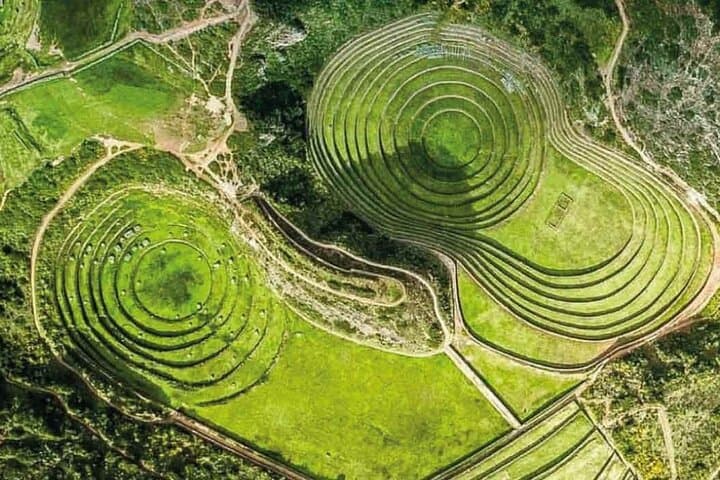
You leave Cusco before the sun throws long shadows across the plaza, the minibus threading higher along the Chinchero route until the air sharpens and the landscape opens into concentric bowls of stone and earth. At Moray the terraces sit like an inverted amphitheater, rings of cultivated benches that each hold a slightly different climate; wind teases the grasses and the terraces themselves seem to breathe as you walk the rim.
Verified experiences and guided adventures in the surrounding area.
Operated by Zarate Adventours · Cusco, Cusco
You leave Cusco before the sun throws long shadows across the plaza, the minibus threading higher along the Chinchero route until the air sharpens and the landscape opens into concentric bowls of stone and earth. At Moray the terraces sit like an inverted amphitheater, rings of cultivated benches that each hold a slightly different climate; wind teases the grasses and the terraces themselves seem to breathe as you walk the rim.
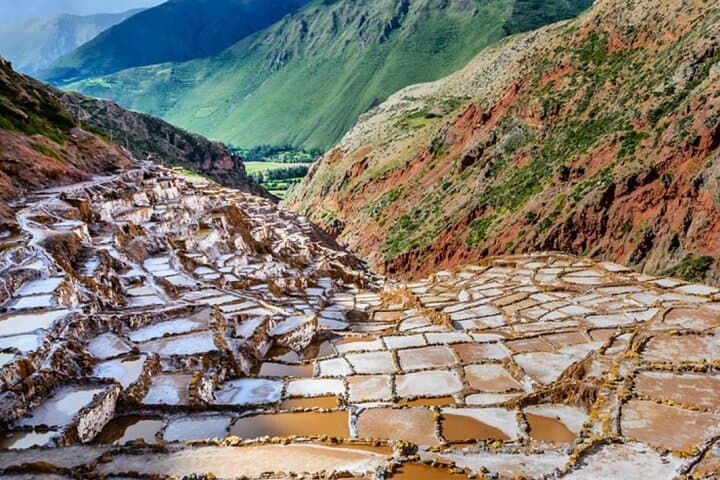
These circular terraces are thought to be an agricultural laboratory from pre-Inca times — a place where temperature gradients were deliberately created to test crop varieties. Geologically, the site occupies a natural depression carved into volcanic-andesitic soils that ancient engineers then shaped into stepped microclimates. Thirty minutes down the road you reach Maras, where thousands of shallow salt pans glitter like a man-made archipelago. Salt here has been harvested since pre-Hispanic days using underground saline streams channeled into terraced ponds; the result is both a working landscape and a local economy sustained by communal rights.
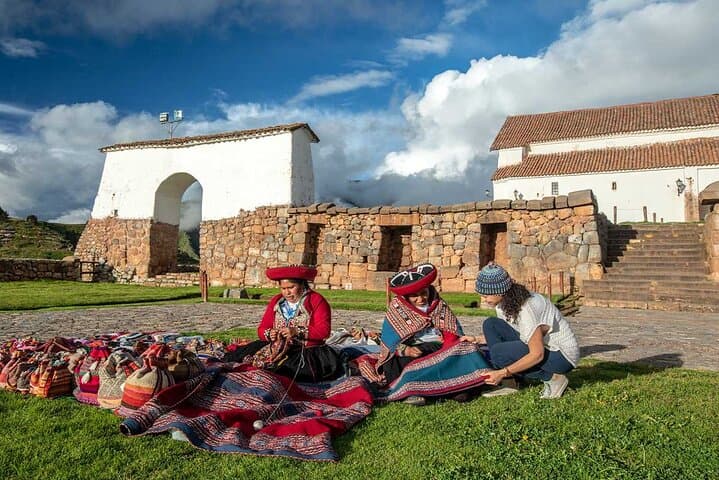
Practical side: this is a 5–6 hour shared tour that departs around 8:30 AM and returns early afternoon, with moderate walking on uneven stone and packed earth. Altitude is a constant companion — Moray sits above 3,400 m — so hydrate, move slowly, and wear layered clothing for cold mornings and strong sun later. Bring cash for small vendors, a sun hat, and sturdy shoes; an accessible itinerary and entrance fees are included, and local guides translate technique into history as you move between terraces and salt pans.
easy.
5–6 hours.
Suitable for most fitness levels but expect short walks on uneven terrain and the effects of high altitude; basic stamina is sufficient.
Yes—hotel pickup in central Cusco and an air-conditioned vehicle are included in the tour price.
Expect roughly two hours at Moray to explore terraces and about two hours at Maras to walk among the salt pans and learn local techniques.
Yes, entrance to both Moray and Maras is included with this excursion according to the itinerary.
The tour is gentle overall but involves uneven paths and steps; it's not recommended for travelers with serious back, heart, or pregnancy-related restrictions.
Moray’s concentric terraces likely functioned as an agricultural experimentation site in pre-Inca times; Maras’ salt pans have been harvested communally since pre-Hispanic eras.
Both sites are fragile: stay on designated paths, avoid removing salt or plant material, and support local cooperatives that manage the salt pans sustainably.
Zarate Adventours operates guided outdoor trips and adventures with an emphasis on safety, stewardship, and memorable experiences.
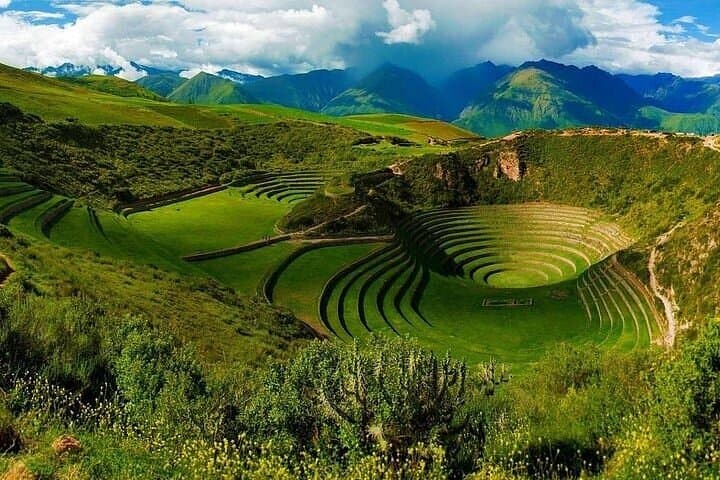
You leave Cusco before the sun throws long shadows across the plaza, the minibus threading higher along the Chinchero route until the air sharpens and the landscape opens into concentric bowls of stone and earth. At Moray the terraces sit like an inverted amphitheater, rings of cultivated benches that each hold a slightly different climate; wind teases the grasses and the terraces themselves seem to breathe as you walk the rim.
You leave Cusco before the sun throws long shadows across the plaza, the minibus threading higher along the Chinchero route until the air sharpens and the landscape opens into concentric bowls of stone and earth. At Moray the terraces sit like an inverted amphitheater, rings of cultivated benches that each hold a slightly different climate; wind teases the grasses and the terraces themselves seem to breathe as you walk the rim.
These circular terraces are thought to be an agricultural laboratory from pre-Inca times — a place where temperature gradients were deliberately created to test crop varieties. Geologically, the site occupies a natural depression carved into volcanic-andesitic soils that ancient engineers then shaped into stepped microclimates. Thirty minutes down the road you reach Maras, where thousands of shallow salt pans glitter like a man-made archipelago. Salt here has been harvested since pre-Hispanic days using underground saline streams channeled into terraced ponds; the result is both a working landscape and a local economy sustained by communal rights.
Practical side: this is a 5–6 hour shared tour that departs around 8:30 AM and returns early afternoon, with moderate walking on uneven stone and packed earth. Altitude is a constant companion — Moray sits above 3,400 m — so hydrate, move slowly, and wear layered clothing for cold mornings and strong sun later. Bring cash for small vendors, a sun hat, and sturdy shoes; an accessible itinerary and entrance fees are included, and local guides translate technique into history as you move between terraces and salt pans.